
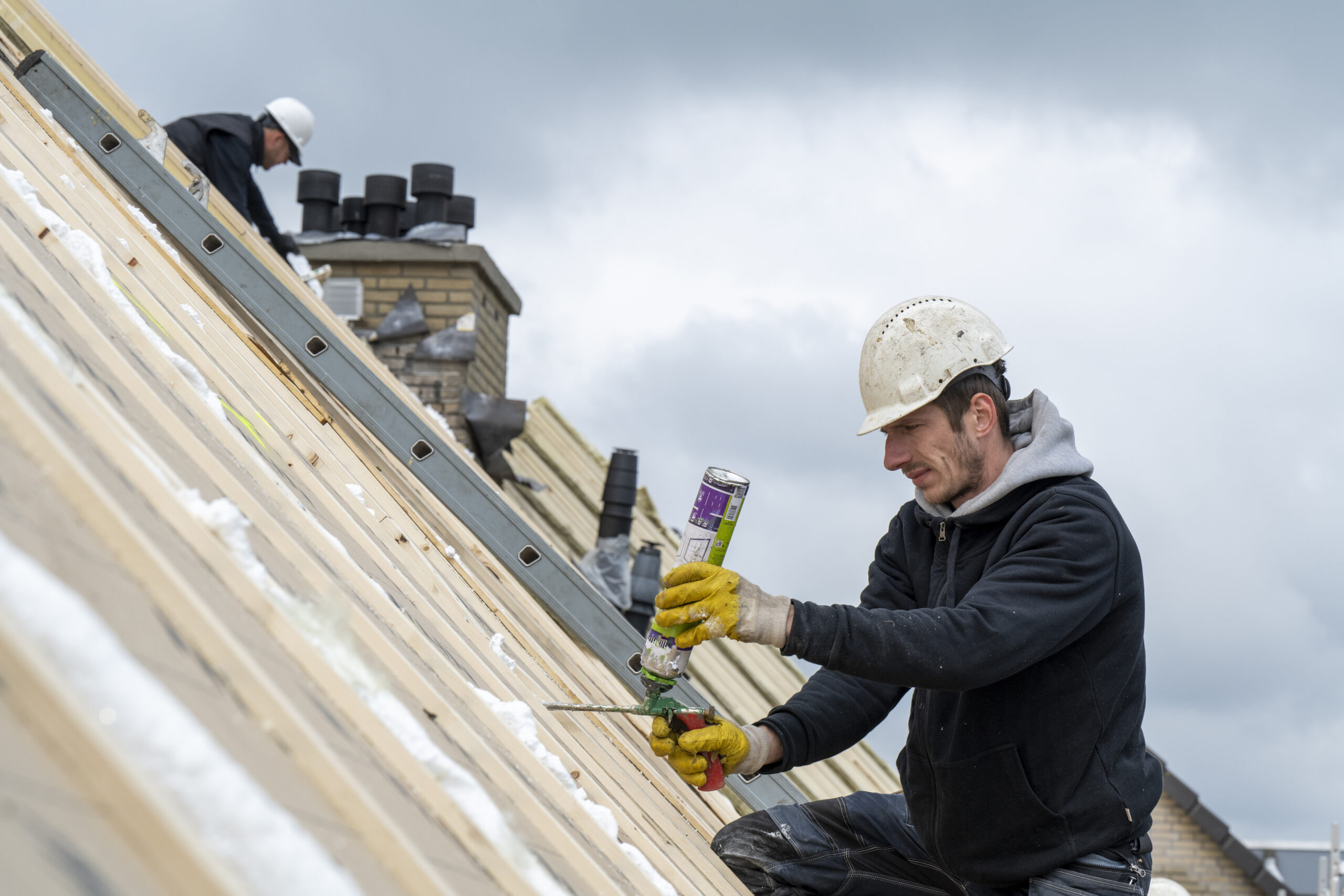
Roof Repair from Storm Damage to Sun City Homes
Storms can do serious damage to roofs in Sun City. Even when a storm seems short or mild, high winds, driving rain, hail, and flying debris can leave behind problems that grow worse over time. A few missing shingles, lifted flashing, or a small leak may not seem urgent at first, but untreated storm damage can quickly lead to costly repairs inside and outside the home.
If your roof has been hit by a storm, acting quickly can help protect your home and reduce the risk of bigger problems later.
Why Storm Damage Matters for Sun City Homes
Sun City homeowners know that Arizona weather can be harsh. Strong monsoon storms, heavy rain, wind gusts, hail, and blowing debris can all take a toll on roofing materials. Older roofs can be especially vulnerable, but even newer systems can suffer damage after a severe storm.
Storm damage may affect:
- Shingles
- Tile roofing
- Underlayment
- Flashing
- Roof vents
- Gutters
- Fascia
- Skylights
- Roof decking
When these parts of the roof are compromised, water can get in and begin damaging insulation, drywall, ceilings, and even the structure of the home.
Common Signs of Storm Damage on a Roof
Not all storm damage is obvious from the ground. Some issues are easy to spot, while others require a trained roofing professional to identify.
Here are some common signs that your Sun City roof may need repair after a storm:
Missing or Damaged Roofing Materials
Strong winds can loosen or tear away shingles, tiles, or other roofing materials. Cracks, breaks, curling, or lifted sections may leave the roof exposed to water intrusion.
Roof Leaks or Water Stains
Brown spots on ceilings, damp attic insulation, peeling paint, or visible drips after a storm may all point to roof damage.
Hail Impact
Hail can bruise shingles, crack tiles, damage protective granules, and weaken roofing materials even when the damage is not obvious right away.
Bent or Damaged Flashing
Flashing around chimneys, vents, skylights, and roof valleys helps keep water out. Storms can bend, loosen, or damage flashing, allowing leaks to develop.
Debris on the Roof
Tree branches, palm fronds, and other debris can scrape roofing materials, break tiles, or clog drainage areas.
Gutter and Drainage Issues
Storms can pull gutters loose, dent them, or clog them with debris. Poor drainage can increase the risk of standing water and roof edge damage.
How Monsoon Storms Affect Roofs in Sun City
Monsoon season brings some of the biggest roofing risks for homes in Sun City. Heavy rain combined with high wind can expose weak areas fast. Wind-driven rain can force water under roofing materials, and debris carried by strong gusts can cause sudden impact damage.
Monsoon storms may lead to:
- Lifted or missing shingles
- Cracked or displaced roof tiles
- Water intrusion under underlayment
- Leaks around vents and flashing
- Damage from fallen branches
- Drainage problems from clogged gutters or roof valleys
Even if you do not see a leak right away, it is still smart to have your roof inspected after a major storm.
Why Quick Roof Repair Is Important
Delaying storm damage repairs can make the problem much worse. What starts as a small roofing issue can turn into a much larger and more expensive problem.
Prompt roof repair can help prevent:
- Interior water damage
- Mold and mildew growth
- Rotting wood
- Damaged insulation
- Structural deterioration
- Higher repair costs later
- Reduced roof lifespan
Fast action can also help support insurance claims by showing that the damage was addressed responsibly.
What to Do After Storm Damage to Your Roof
If your Sun City home has been through a strong storm, there are a few important steps to take.
1. Look for Visible Damage Safely
Check the ground around your home for broken tiles, shingles, flashing, or tree debris. Look for visible roof issues from a safe distance, but do not climb onto the roof yourself.
2. Check for Interior Signs of Leaks
Inspect ceilings, attic spaces, walls, and around windows for water stains, damp areas, or dripping water.
3. Document the Damage
Take photos of any visible damage inside and outside the home. Good documentation can be helpful if you need to file an insurance claim.
4. Schedule a Professional Roof Inspection
A roofing professional can identify damage that may not be visible from the ground and recommend the right repair plan.
5. Make Repairs as Soon as Possible
The longer storm damage is left untreated, the more vulnerable your home becomes. Quick repairs can restore protection and prevent further issues.
Types of Storm Damage Roof Repairs
The right repair depends on the type and extent of damage. Some homes may only need small repairs, while others may need larger restoration work.
Common storm-related roof repairs include:
- Replacing missing shingles
- Resetting or replacing broken roof tiles
- Repairing flashing
- Sealing leak-prone areas
- Replacing damaged underlayment
- Repairing fascia or roof edges
- Fixing roof penetrations around vents and skylights
- Addressing drainage or gutter damage
A professional inspection can determine whether simple repairs are enough or whether more extensive work is needed.
Can Storm Damage Lead to Roof Replacement?
In some cases, yes. If storm damage is widespread or the roof is already older and weakened, repairs may not be the best long-term solution. A roofing contractor can help determine whether your Sun City roof can be repaired effectively or whether replacement makes more sense.
Factors that may influence that decision include:
- The age of the roof
- The severity of storm damage
- The condition of the roofing materials
- Whether leaks have spread beneath the surface
- The cost of repeated repairs compared to replacement
Why Professional Roof Inspections Matter
Storm damage is not always easy to spot. Some roofing problems stay hidden until water damage appears inside the home. A professional roof inspection helps catch those issues early.
An experienced roofing contractor can look for:
- Loose or missing materials
- Hidden leak points
- Underlayment damage
- Flashing problems
- Hail impact
- Structural concerns
- Areas weakened by wind or debris
This type of inspection can help you make informed decisions about repairs and avoid surprises later.
Choosing a Roof Repair Company for Storm Damage in Sun City
When your home has storm damage, you want a roofing company that understands how Arizona weather affects local roofs. It helps to work with a contractor that knows the common problems Sun City homeowners face after monsoon storms, wind events, and hail.
Look for a company that offers:
- Roof inspections after storms
- Clear repair recommendations
- Experience with storm-damaged roofs
- Quality workmanship
- Good communication throughout the process
- Help identifying urgent issues before they worsen
Protecting Your Sun City Home After a Storm
Your roof is one of the most important parts of your home. When storm damage happens, timely repairs can help protect everything underneath it. Whether the issue is minor or more severe, addressing damage quickly can reduce stress, lower long-term costs, and help keep your home safe and dry.
If your Sun City home has experienced storm damage, it is a good time to schedule a roof inspection and find out what repairs may be needed before the next storm rolls in.
Need Roof Repair for Storm Damage in Sun City?
Storm damage should never be ignored. If your roof has been damaged by wind, hail, rain, or flying debris, professional repairs can help restore your roof and protect your home from further damage.
Contact Almeida Roofing today to schedule an inspection and get trusted help with roof repair for storm damage in Sun City.
FAQs About Roof Repair from Storm Damage in Sun City
How do I know if my roof has storm damage?
Common signs include missing shingles or tiles, water stains on ceilings, cracked roofing materials, damaged flashing, or debris on the roof. Some damage is harder to see without a professional inspection.
Can a small roof leak turn into a bigger issue?
Yes. Even a small leak can lead to water damage, mold, insulation problems, and structural issues if it is not repaired quickly.
Should I repair storm damage right away?
Yes. Fast repairs help prevent further damage and may reduce the overall cost of the problem.
Does hail damage always mean I need a new roof?
Not always. Some hail damage can be repaired, while more severe damage may require larger repairs or replacement. A professional inspection can determine the best option.
Is it safe to inspect my own roof after a storm?
It is best to inspect from the ground and avoid climbing onto the roof. Storm damage can make roofing surfaces unsafe.
How often should Sun City homeowners have their roof checked after storms?
It is a good idea to schedule an inspection after major storms, especially during monsoon season or after any event involving strong wind or hail.
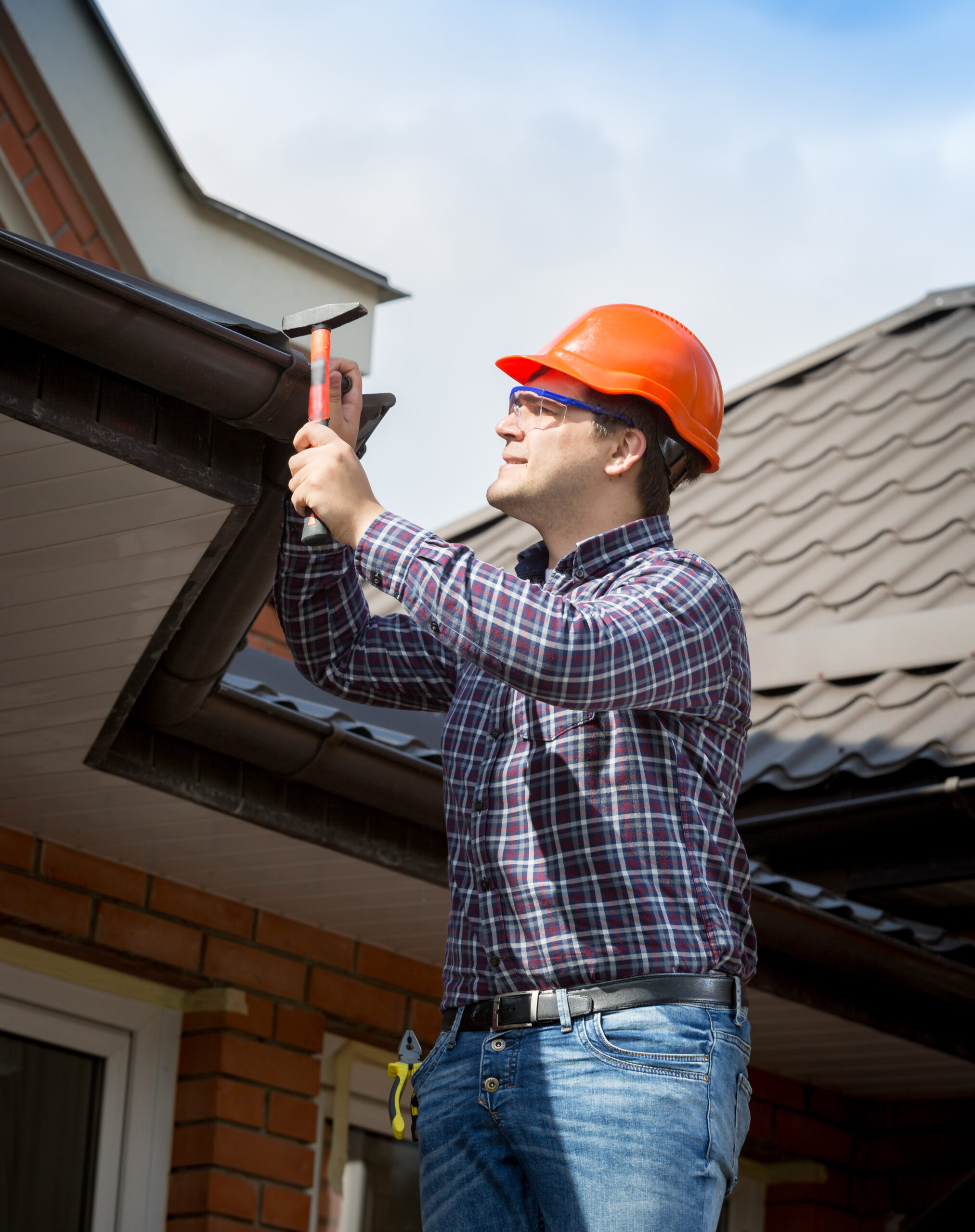
Roof Repair for Homes in the Greater Phoenix Area
Your roof does a lot of work in the Greater Phoenix area. It stands up to intense sun, high summer heat, monsoon storms, wind, dust, and the occasional heavy rain that can quickly expose weak spots. Even a small roofing issue can turn into a bigger and more expensive problem if it is not handled quickly. That is why timely roof repair is so important for homeowners across Phoenix and the surrounding communities.
Whether you are dealing with cracked tiles, a leak after a storm, worn underlayment, or signs of aging on an older roof, professional roof repair can help protect your home, extend the life of your roof, and prevent more serious damage.
Why Roof Repair Matters in the Phoenix Area
Homes in Phoenix, Mesa, Chandler, Gilbert, Scottsdale, Tempe, Glendale, Peoria, Surprise, and nearby areas face roofing conditions that are different from many other parts of the country. The desert climate can be hard on roofing materials over time.
Common local causes of roof damage include:
- Extreme UV exposure
- Long periods of heat
- Monsoon wind and rain
- Blown debris
- Cracked or slipped roof tiles
- Worn or deteriorated underlayment
- Flashing failures around roof penetrations
- Minor damage that becomes worse over time
A roof may look fine from the ground while still hiding damage underneath the tiles or roofing materials. That is one reason roof inspections and timely repairs are so important in Arizona.
Common Signs You May Need Roof Repair
Some roof problems are obvious, while others are easy to miss until the damage spreads. Homeowners in the greater Phoenix area should watch for signs such as:
- Water stains on ceilings or walls
- Dripping or moisture in the attic
- Cracked, broken, or missing roof tiles
- Loose ridge tiles
- Damaged flashing around vents or chimneys
- Sagging areas or soft spots
- Granule loss on certain roofing materials
- Debris buildup in roof valleys
- Signs of wear after a monsoon storm
- A roof that is simply showing age
If you notice any of these issues, it is a good idea to have your roof evaluated before the next storm or heat wave makes things worse.
Roof Leaks Can Cause More Than Just Water Damage
A roof leak is never something to ignore. Even a small leak can lead to bigger problems inside the home, including:
- Damaged insulation
- Ceiling and drywall damage
- Mold or mildew growth
- Wood rot
- Electrical hazards
- Higher repair costs later
Fast roof repair helps limit interior damage and can save you money over time.
Tile Roof Repair in Greater Phoenix
Tile roofs are very common throughout the Phoenix metro area because they perform well in the desert climate and complement many local home styles. But even durable tile roofs need repairs from time to time.
Common tile roof repair issues include:
- Broken or slipped tiles
- Underlayment deterioration
- Valley wear
- Flashing damage
- Storm-related movement
- Water intrusion around roof penetrations
In many cases, the tile itself is only part of the issue. The underlayment beneath the tile often plays a major role in keeping water out, especially as the roof ages. A professional roofing contractor can identify whether the problem is isolated or part of a larger roofing concern.
Shingle Roof Repair in Phoenix and Surrounding Areas
While tile roofs are common, many homes in the greater Phoenix area also have shingle roofing systems. Shingle roofs can develop issues from heat, sun exposure, wind, and age.
Common shingle roof repairs include:
- Replacing missing or damaged shingles
- Repairing lifted shingles after wind events
- Sealing vulnerable areas
- Fixing flashing issues
- Addressing leaks and moisture intrusion
If caught early, many shingle roofing problems can be repaired before they lead to larger structural or interior damage.
How Arizona Weather Affects Roofs
The Greater Phoenix climate creates a unique mix of stress on residential roofs.
Extreme Heat and UV Exposure
Arizona sun can break down roofing materials over time. Constant exposure to heat and UV rays can dry out components, weaken seals, and reduce the lifespan of certain roofing materials.
Monsoon Storm Damage
Monsoon season can bring strong wind, blowing dust, and heavy rain in a short period of time. These storms can loosen tiles, damage flashing, push debris into drainage areas, and expose weak spots that were already developing.
Seasonal Temperature Changes
Even in the desert, roofs go through expansion and contraction as temperatures change from day to night and across seasons. Over time, that movement can contribute to wear.
The Benefits of Prompt Roof Repair
Delaying roof repairs can allow a minor issue to become a major expense. Addressing problems early offers several important benefits:
- Helps prevent interior water damage
- Protects insulation and structural components
- Extends the life of the roof
- Reduces the chance of emergency repairs
- Helps maintain home value
- Gives homeowners greater peace of mind
In many cases, a repair completed at the right time can postpone the need for a full roof replacement.
What to Expect During a Roof Repair Inspection
A professional roof repair inspection should look beyond what is visible from the ground. A roofing contractor may evaluate:
- Overall roof condition
- Damaged tiles or shingles
- Underlayment condition
- Flashing and seal integrity
- Valleys and drainage areas
- Roof penetrations and transition points
- Signs of leaks or moisture entry
- Storm-related damage
A thorough inspection helps determine whether the roof needs a minor repair, more involved repair work, or a larger long-term roofing plan.
Roof Repair for Older Homes in the Greater Phoenix Area
Many homes in the Phoenix area have aging roofs that may still have life left in them with the right repairs and maintenance. Older roofs often need special attention because issues may involve more than one layer of wear.
For older homes, roof repair may involve:
- Replacing broken roofing materials
- Repairing leak-prone areas
- Addressing underlayment failure
- Improving waterproofing details
- Reinforcing areas affected by age and weather exposure
A good repair strategy should focus on both the current issue and the overall condition of the roofing system.
Why Local Experience Matters
Roof repair in the greater Phoenix area is not the same as roof repair in cooler or wetter parts of the country. Local experience matters because roofing systems here must perform under desert conditions, high heat, and seasonal storm activity.
A contractor familiar with Phoenix-area homes understands:
- Common local roofing styles
- How monsoon weather affects roofs
- The impact of long-term sun exposure
- Typical problem areas for tile and shingle roofs
- How to spot early warning signs before damage spreads
Choosing a roofing company with experience in the local climate can help homeowners make better repair decisions.
When Roof Repair May Be Better Than Replacement
Not every roofing issue means you need a full new roof. In many situations, roof repair is the most practical and cost-effective solution, especially when:
- The damage is limited to one area
- The roof still has useful life remaining
- The issue was caught early
- Repairs can restore performance and prevent further damage
A professional inspection can help determine whether repair is the right move or whether replacement should also be considered.
Protecting Your Home Starts at the Top
Your roof protects everything underneath it. When damage shows up, quick action can make all the difference. Whether your home has a tile roof, shingle roof, or another residential roofing system, getting the problem addressed early can help you avoid bigger repairs and protect your investment.
If you live in the greater Phoenix area and think your roof may need attention, having it inspected by an experienced roofing professional is a smart next step.
Need Roof Repair in the Greater Phoenix Area?
If your roof has a leak, storm damage, broken tiles, or signs of wear, do not wait for the problem to get worse. Almeida Roofing provides roof repair services for homeowners throughout the greater Phoenix area.
Contact Almeida Roofing today to schedule a roof inspection and get trusted help with your roof repair needs.
FAQs About Roof Repair in the Greater Phoenix Area
How do I know if my roof needs repair?
Common signs include leaks, water stains, cracked or missing tiles, damaged shingles, flashing problems, or visible wear after a storm.
Can extreme Phoenix heat damage a roof?
Yes. Constant sun and high temperatures can wear down roofing materials over time and shorten the life of certain roof components.
Are monsoon storms hard on residential roofs?
They can be. High winds, debris, and sudden rain can expose weak spots, shift roofing materials, and lead to leaks.
Is a roof leak always an emergency?
Some leaks are more urgent than others, but any leak should be addressed quickly to prevent interior damage and mold growth.
Can a tile roof be repaired without replacing the whole roof?
In many cases, yes. If the damage is limited and the rest of the roof is in good condition, a targeted repair may be possible.
How long should I wait to repair roof damage?
It is best not to wait. Small roofing issues often become larger and more expensive when left untreated.
Do older roofs in Phoenix still qualify for repair?
Many do. A professional inspection can help determine whether the roof can be repaired or whether replacement is the better long-term option.
What areas does Almeida Roofing serve?
Almeida Roofing serves homeowners in the greater Phoenix area and surrounding communities.
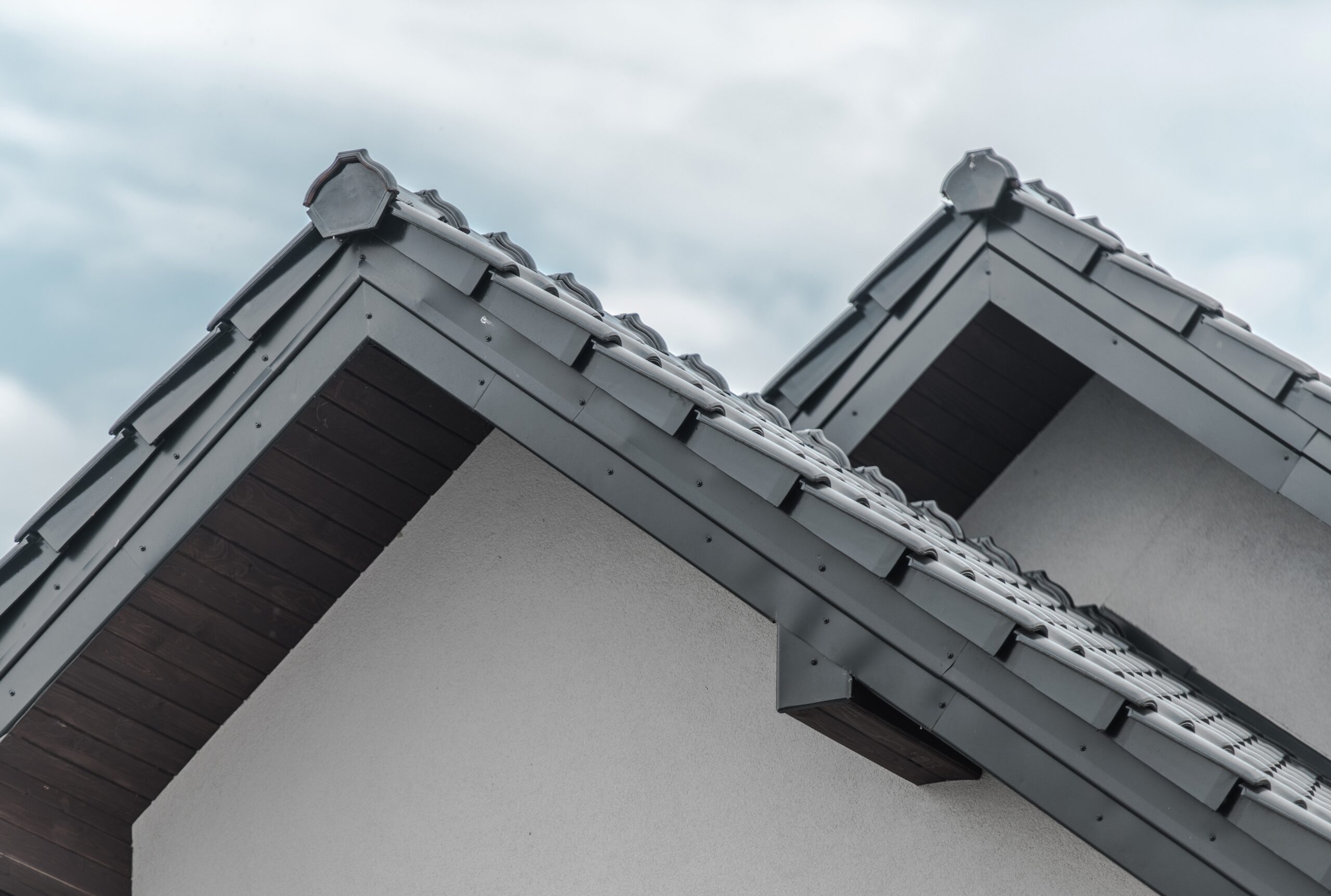
Tile Roofs vs. Shingle Roofs: Which Material Is Best for Your Home?
Choosing a new roof is a major decision for any homeowner, especially in places like Scottsdale and Ahwatukee where intense sun, summer heat, monsoon storms, and long-term durability all matter. Two of the most common roofing options homeowners compare are tile roofs and shingle roofs. Each material offers its own advantages, and the best choice often depends on your home’s style, your budget, your long-term plans, and how you want your roof to perform in the Arizona climate.
If you are trying to decide between a tile roof and a shingle roof for your Scottsdale or Ahwatukee home, it helps to look beyond appearance alone. The right roofing material should match your home, your goals, and the demands of desert living.
Why Roofing Material Matters in Scottsdale and Ahwatukee
Homes in Scottsdale and Ahwatukee deal with some very specific roofing conditions. The desert climate creates constant exposure to UV rays, prolonged high temperatures, dust, occasional heavy rain, monsoon winds, and sudden weather shifts. Roofing materials that look good at installation may not always perform the same way over time in Arizona’s environment.
That is why homeowners should think carefully about more than just upfront cost. A roof should also be evaluated based on lifespan, maintenance needs, energy performance, curb appeal, and how well it holds up under local weather conditions.
Tile Roofs: A Popular Choice for Arizona Homes
Tile roofs are one of the most recognizable roofing styles in Scottsdale and Ahwatukee. They are especially common on Southwestern, Spanish, Mediterranean, and upscale desert-style homes. Many homeowners are drawn to tile because of its distinctive appearance, long lifespan, and strong performance in hot climates.
Benefits of Tile Roofs
Excellent durability
Tile roofs are known for long-term performance. When properly installed and maintained, they can last for decades and often outlast many other roofing materials.
Strong heat resistance
Tile performs well in Arizona’s intense sunshine. It does not absorb heat the same way some other materials can, and the design of a tile roofing system can help with airflow and temperature control.
High-end curb appeal
For many Scottsdale and Ahwatukee homes, tile roofing matches the architecture perfectly. It creates a polished, upscale look that fits the area’s residential style.
Low sensitivity to sun exposure
Arizona’s UV exposure is hard on many building materials. Tile generally handles long-term sun exposure better than standard asphalt shingles.
Good long-term value
While the upfront investment is higher, many homeowners see tile as a long-term value because of its longevity and visual appeal.
Considerations with Tile Roofs
Higher upfront cost
Tile roofs usually cost more than shingle roofs to install. Materials and labor are both typically more expensive.
Heavier material
Tile is much heavier than shingles. In some cases, the home’s structure must be able to support the added weight.
Repairs can be more specialized
Although tile is durable, individual tiles can crack from impact or foot traffic. Repairs often require experience to make sure the system stays watertight and visually consistent.
Underlayment still matters
Many homeowners assume the tile itself is the only thing that matters, but underlayment is a critical part of the system. On Arizona homes, underlayment condition often plays a big role in the overall performance of a tile roof.
Shingle Roofs: Affordable and Versatile
Shingle roofs are another common option for homeowners in Scottsdale and Ahwatukee. Asphalt shingles are widely used across many home styles and are often chosen for their affordability, flexibility, and ease of installation.
Benefits of Shingle Roofs
Lower initial cost
One of the biggest advantages of shingle roofing is affordability. For homeowners who want a reliable roofing material at a lower price point, shingles are often attractive.
Wide style and color selection
Modern shingle roofing comes in many colors and profiles, making it easier to match different home designs and neighborhood aesthetics.
Faster installation
Shingle roofs are often quicker to install than tile roofs, which may help reduce labor time and project complexity.
Easier repairs in many cases
If damage occurs, shingle repairs can often be straightforward depending on the extent of the issue and the condition of the roof.
Lighter weight
Shingles place less structural load on a home compared to tile, which can make them a practical option for some properties.
Considerations with Shingle Roofs
Shorter lifespan than tile
Shingles generally do not last as long as tile, especially in harsh desert conditions with constant UV exposure and extreme heat.
Sun and heat wear
Arizona weather can be tough on shingles over time. Prolonged heat and sun exposure may speed up aging, fading, or wear.
May not match every home style
While shingles are versatile, they do not always provide the same upscale or regionally appropriate appearance that tile offers on many Scottsdale and Ahwatukee homes.
Potentially more frequent replacement cycle
Although the initial cost is lower, a shingle roof may need replacement sooner than a tile system, which can affect long-term value.
Comparing Tile Roofs and Shingle Roofs
When deciding between tile and shingles, it helps to compare them in the areas that matter most.
Appearance
Tile roofs often offer a more distinctive and premium look, especially for homes with Southwestern or Mediterranean-inspired architecture. In many Scottsdale and Ahwatukee neighborhoods, tile is part of the visual character of the community.
Shingle roofs offer flexibility and a clean appearance, but they usually create a more traditional look rather than a luxury desert-style finish.
Cost
Shingle roofs usually win on upfront affordability. If budget is the main factor, shingles may be the more practical choice.
Tile roofs cost more at the beginning, but many homeowners view that added cost as an investment in longevity, appearance, and resale appeal.
Lifespan
Tile generally has the advantage when it comes to long-term life expectancy. Shingles can still perform well, but they usually do not match the lifespan of a properly maintained tile roof in Arizona.
Maintenance and Repairs
Both roofing types need inspections and maintenance, especially after monsoon season. Tile roofs may require more specialized repairs, while shingle repairs are often simpler. However, tile systems can continue to provide value over a much longer period.
Energy Performance
In hot climates like Scottsdale and Ahwatukee, tile roofs are often appreciated for how well they perform in heat. Shingle roofs can also be energy-efficient depending on product selection, color, ventilation, and installation quality, but tile is often viewed as a strong fit for desert conditions.
Which Roof Is Better for Scottsdale and Ahwatukee Homes?
The answer depends on your priorities.
A tile roof may be the better choice if you:
- Want a roof that matches Southwestern, Spanish, or upscale desert architecture
- Plan to stay in your home long term
- Value durability and longevity
- Want a premium look that fits the local market
- Are willing to invest more upfront for long-term performance
A shingle roof may be the better choice if you:
- Want a more budget-friendly roofing option
- Need a practical replacement with lower initial cost
- Prefer a faster installation timeline
- Want a wide range of color and style choices
- Are looking for a dependable option for a home where tile may not be necessary
Other Factors to Consider Before Choosing
Before making a final decision, homeowners in Scottsdale and Ahwatukee should also consider:
- HOA guidelines or neighborhood roofing standards
- The architectural style of the home
- Roof slope and design
- Long-term ownership plans
- Current roof condition
- Ventilation and insulation needs
- Whether the roof structure is suitable for tile
- Overall budget, including future maintenance and replacement timing
A roofing decision should not be based on material alone. Installation quality matters just as much. Even the best roofing product can underperform if it is not installed correctly.
The Importance of Working with an Experienced Local Roofing Contractor
Roofing in the Phoenix-area desert is different from roofing in cooler or wetter climates. Local experience matters. A contractor familiar with Scottsdale and Ahwatukee homes can help you evaluate not only the look of each roofing system, but also how it will perform under Arizona sun, seasonal storms, and long-term wear.
An experienced roofing company can inspect your current roof, explain your options clearly, and help you choose the material that best fits your property and budget.
Final Thoughts: Tile or Shingle?
There is no one-size-fits-all answer. For many Scottsdale and Ahwatukee homeowners, tile roofs offer unmatched style, durability, and long-term appeal. For others, shingle roofs provide a cost-effective, attractive, and reliable solution.
The best roofing material is the one that fits your home, your goals, and your budget while standing up to the demands of Arizona weather.
If you are comparing tile roofs and shingle roofs for your Scottsdale or Ahwatukee home, Almeida Roofing can help you make the right choice with honest guidance and professional expertise.
Contact Almeida Roofing
If you are considering a roof replacement or want expert help deciding between tile and shingles, contact Almeida Roofing today. Our team can evaluate your roof, explain your options, and help you choose a roofing system built for your home and Arizona’s climate.
Call now to schedule your roofing inspection and consultation.
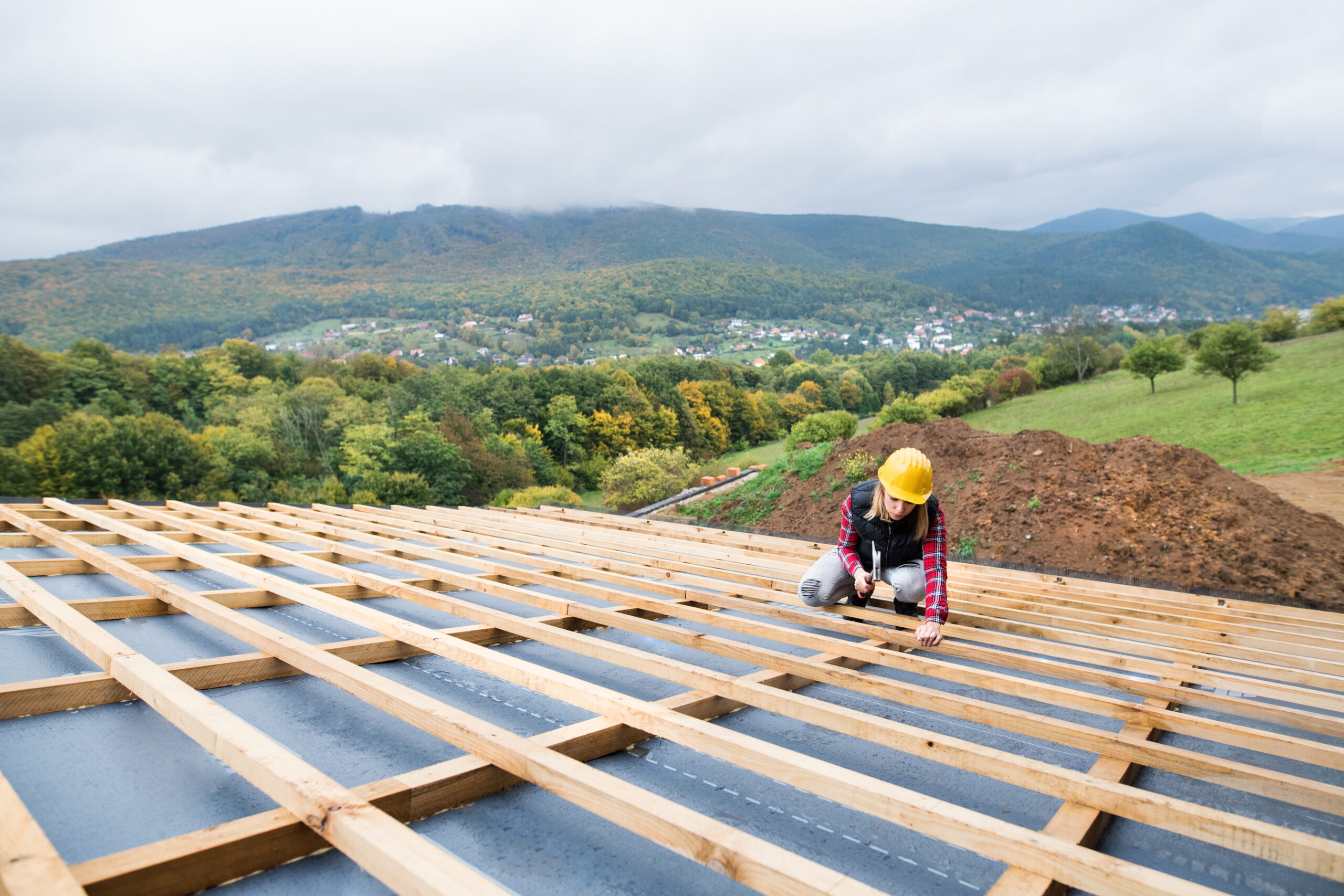
How Roof Underlayment Impacts Performance in Hot Arizona Summer
When most homeowners think about roofing materials, they picture shingles, tile, or metal panels. What they often do not think about is the layer underneath that helps hold the entire roofing system together when temperatures rise. In Arizona, that hidden layer matters more than many people realize.
Roof underlayment plays a major role in how a roof performs during long stretches of extreme summer heat. It helps provide a secondary barrier against moisture, supports overall roof durability, and can influence how well the roofing system stands up to sun exposure and thermal stress over time. In a climate like Arizona’s, where rooftops can face intense UV exposure and prolonged triple-digit temperatures, underlayment is not just a background material. It is a critical part of the system.
If you are planning a roof replacement, building a new home, or trying to understand why some roofs age faster than others, it helps to know how roof underlayment affects performance in hot Arizona summers.
What Is Roof Underlayment?
Roof underlayment is the protective layer installed between the roof deck and the outer roofing material. It serves as a backup barrier that helps protect the structure if water gets past the top roofing surface.
Depending on the type of roof, the underlayment may sit beneath tile, shingles, metal, or other roofing materials. While it is not usually visible once the roof is complete, it plays an important role in helping the roof handle weather, drainage, and heat-related wear.
In Arizona, underlayment often takes on even greater importance because roofing materials are constantly exposed to intense sunlight, high surface temperatures, and expanding and contracting materials throughout the summer.
Why Underlayment Matters So Much in Arizona
Arizona summers are hard on roofs. Even if rain is limited for much of the season, the heat alone can put significant stress on roofing systems. Roof surfaces can become much hotter than the outdoor air temperature, especially on dark-colored materials or low-slope areas that absorb direct sunlight for hours.
That extreme heat can affect a roof in several ways:
- Accelerated material aging
- Expansion and contraction of roofing components
- Increased drying and brittleness in lower-quality materials
- Greater stress around penetrations, seams, and transitions
- Reduced lifespan if the system is not built for the climate
The underlayment helps the roof system maintain performance when those conditions continue day after day. If the wrong material is used, or if the underlayment is aging, cracked, slipping, or deteriorating, the roof may become more vulnerable to damage over time.
A Roof Is More Than the Surface Material
Homeowners sometimes assume that the visible roofing material does all the work. In reality, roof performance depends on the system as a whole.
For example, a tile roof in Arizona may look durable from the street, but the tile itself is often the outer protective layer rather than the primary waterproofing layer. In many cases, the underlayment beneath the tile is doing much of the real moisture protection work. That means even if the tile looks fine, worn or failing underlayment can still lead to leaks and long-term problems.
The same idea applies to other roof types. Shingles, metal panels, and specialty roofing systems all rely on the layers underneath to help protect the decking and interior structure. In a hot climate, the quality and condition of those layers matter.
How Heat Affects Roof Underlayment
Arizona heat can impact underlayment performance in several important ways.
Material Breakdown Over Time
Some underlayment materials are more vulnerable to drying out, becoming brittle, or losing flexibility after years of extreme heat exposure. As the material ages, it may be more likely to crack, shrink, wrinkle, or weaken.
Once that happens, the roof system may become more vulnerable to moisture intrusion, especially during monsoon season or after wind-driven rain.
Thermal Expansion and Movement
Roof systems move as temperatures rise and fall. The roofing materials, fasteners, flashing, and surrounding components expand in the heat and contract as temperatures cool. Over time, that repeated movement can stress the underlayment and surrounding roof assembly.
A quality underlayment should be able to handle thermal movement better than low-grade materials that break down faster under repeated stress.
UV Exposure During Installation or Repairs
In some roofing situations, underlayment may be exposed to direct sunlight temporarily during installation, repair work, or delayed project completion. In Arizona, even short-term UV exposure can be harsh. Some underlayments handle exposure better than others, while some can degrade quickly if left uncovered too long.
Increased Vulnerability Around Roof Details
The hottest and most vulnerable parts of a roof are often around penetrations and detail areas such as vents, skylights, valleys, chimneys, and transitions. These locations already face more stress, and if the underlayment is weak, poorly installed, or deteriorated, they may be more likely to develop problems.
Common Types of Roof Underlayment
Not all underlayment performs the same way in Arizona heat. The type of material used can influence durability, longevity, and overall roof performance.
Asphalt-Saturated Felt
Traditional felt underlayment has been used for many years and is still found on many homes. It can provide basic protection, but in very hot climates it may be more prone to wear, wrinkling, and breakdown over time compared to more modern materials.
Felt may still have a place in certain roofing systems, but Arizona homeowners often ask about longer-lasting options because of the region’s intense summer conditions.
Synthetic Underlayment
Synthetic underlayment is widely used in modern roofing because it is often lighter, stronger, and more resistant to tearing than traditional felt. Many synthetic products are designed to perform well in challenging weather conditions and may offer better durability in hot climates.
For Arizona homes, synthetic underlayment is often considered because it can help provide more consistent performance during prolonged heat exposure, depending on the product and installation quality.
Self-Adhered Underlayment
Self-adhered underlayments are designed to create a more secure seal and are often used in vulnerable areas or as part of a higher-performance roofing assembly. These products can be especially useful around valleys, penetrations, and other locations where additional water protection is important.
Because Arizona roofs may go long periods without significant rain and then suddenly face heavy monsoon storms, stronger water-shedding support in critical areas can make a difference.
Why Proper Installation Matters Just as Much as Material
Even the best underlayment cannot perform well if it is installed poorly. In Arizona, installation quality matters because the climate exposes weaknesses quickly.
Improper fastening, poor overlap, wrinkles, trapped moisture, inadequate flashing integration, and rushed workmanship can all affect how well underlayment performs. On a roof that sees intense summer sun every day, even small installation problems may lead to larger failures sooner than expected.
A properly installed roofing system should account for:
- Roof slope
- Roof design and drainage paths
- Penetrations and transitions
- Ventilation needs
- Material compatibility
- Exposure to sun and heat
- Local wind and monsoon conditions
Roofing in Arizona is not just about putting on a surface layer. It is about building a system that can handle years of intense seasonal stress.
Underlayment and Tile Roof Performance
Tile roofs are common in many parts of Arizona because they are durable, visually appealing, and well suited to desert architecture. But many homeowners are surprised to learn that the underlayment beneath the tile often plays one of the most important roles in waterproofing.
The tile helps shed water and shield the roof from direct exposure, but the underlayment underneath helps protect the roof deck when water gets beneath the tile. Over time, Arizona heat can wear that underlayment down, even if the tiles themselves still look intact.
That is why some tile roofs need underlayment replacement even when the tile can be reused. The visible roof may appear fine, while the real aging is happening underneath.
Underlayment and Shingle Roof Performance
On shingle roofs, underlayment provides backup protection beneath the shingles and can help support overall roof durability. Arizona heat can shorten shingle life, especially if attic ventilation is poor or if roofing materials are already aging. When the shingles are stressed by heat, the underlayment layer becomes even more important as part of the roof’s overall defense.
For homeowners considering shingle replacement in Arizona, underlayment choice should be part of the conversation, not an afterthought.
The Connection Between Underlayment and Roof Lifespan
A roof system is only as strong as its weakest layer. If underlayment deteriorates too early, it can affect the performance and service life of the entire roof.
That does not mean underlayment alone determines roof lifespan, but it does mean that using the right material and installing it correctly can help improve long-term performance. In Arizona, where summer heat is relentless, this matters even more.
A better underlayment may help with:
- Long-term resistance to heat-related wear
- Improved moisture protection during storms
- Reduced risk of premature failure
- Better performance around vulnerable roof details
- Greater confidence in the roofing system as a whole
Monsoon Season Makes Underlayment Even More Important
Although this article focuses on summer heat, Arizona summers also bring monsoon storms in many areas. That means roofs are not just dealing with heat. They may also face sudden rain, strong wind, and driven moisture after weeks of thermal stress.
When a roofing system has already been baking in extreme temperatures, any weakness in the underlayment can become more obvious during the first heavy storm. This is one reason roof leaks often seem to appear suddenly during monsoon season even though the underlying wear may have been building for years.
A roof that has aging or compromised underlayment may be more vulnerable when summer storms arrive.
Signs Underlayment May Be Contributing to Roof Problems
Because underlayment is hidden, homeowners usually do not see it directly unless a roof is being repaired or replaced. Still, there are signs that underlayment issues may be affecting roof performance.
Possible warning signs include:
- Recurring leaks
- Water stains on ceilings
- Interior moisture after storms
- Roof issues that continue even after surface repairs
- Aging tile roof with no recent underlayment replacement
- Signs of deterioration found during a roof inspection
- A roof nearing the end of its expected service life
In many cases, a professional roof inspection can help determine whether underlayment condition may be part of the issue.
Why Roof Inspections Matter in Arizona
Because roof underlayment is hidden, regular inspections are important. A roof may look acceptable from the ground while still having aging materials beneath the surface.
Routine inspections can help identify:
- Areas of wear
- Potential leak points
- Flashing concerns
- Tile displacement
- Shingle damage
- Signs of trapped moisture
- Age-related deterioration
- Areas where repairs may no longer be enough
For Arizona homeowners, inspections are especially helpful before and after summer storm season, during real estate transactions, or when a roof is reaching an older age.
Choosing the Right Roofing System for Arizona Heat
If you are replacing a roof in Arizona, it is important to think beyond the visible roofing material. The best system for the property should consider climate, roof design, budget, and long-term performance goals.
That includes asking questions such as:
- What type of underlayment is being used?
- Is it appropriate for Arizona heat?
- How does it perform under tile, shingles, or metal?
- How will it hold up over time?
- Is the installation method suited to the roof design?
- Are vulnerable areas getting extra protection?
These details matter because what is underneath the roof surface can affect how the whole system performs year after year.
The Bottom Line on Roof Underlayment in Arizona
Roof underlayment may be out of sight, but it should never be out of mind—especially in Arizona. In a climate defined by intense summer heat, strong sun exposure, and seasonal monsoon storms, underlayment plays a major role in how well a roof protects a home over time.
Whether the roof is tile, shingle, or another material, underlayment helps provide critical backup protection and supports the performance of the full roofing system. Choosing the right product, installing it correctly, and paying attention to roof condition over time can make a meaningful difference in how the roof handles Arizona’s harsh summer conditions.
For homeowners, the takeaway is simple: when evaluating roof repairs or replacements, do not focus only on what you can see. The hidden layers are often doing some of the most important work.
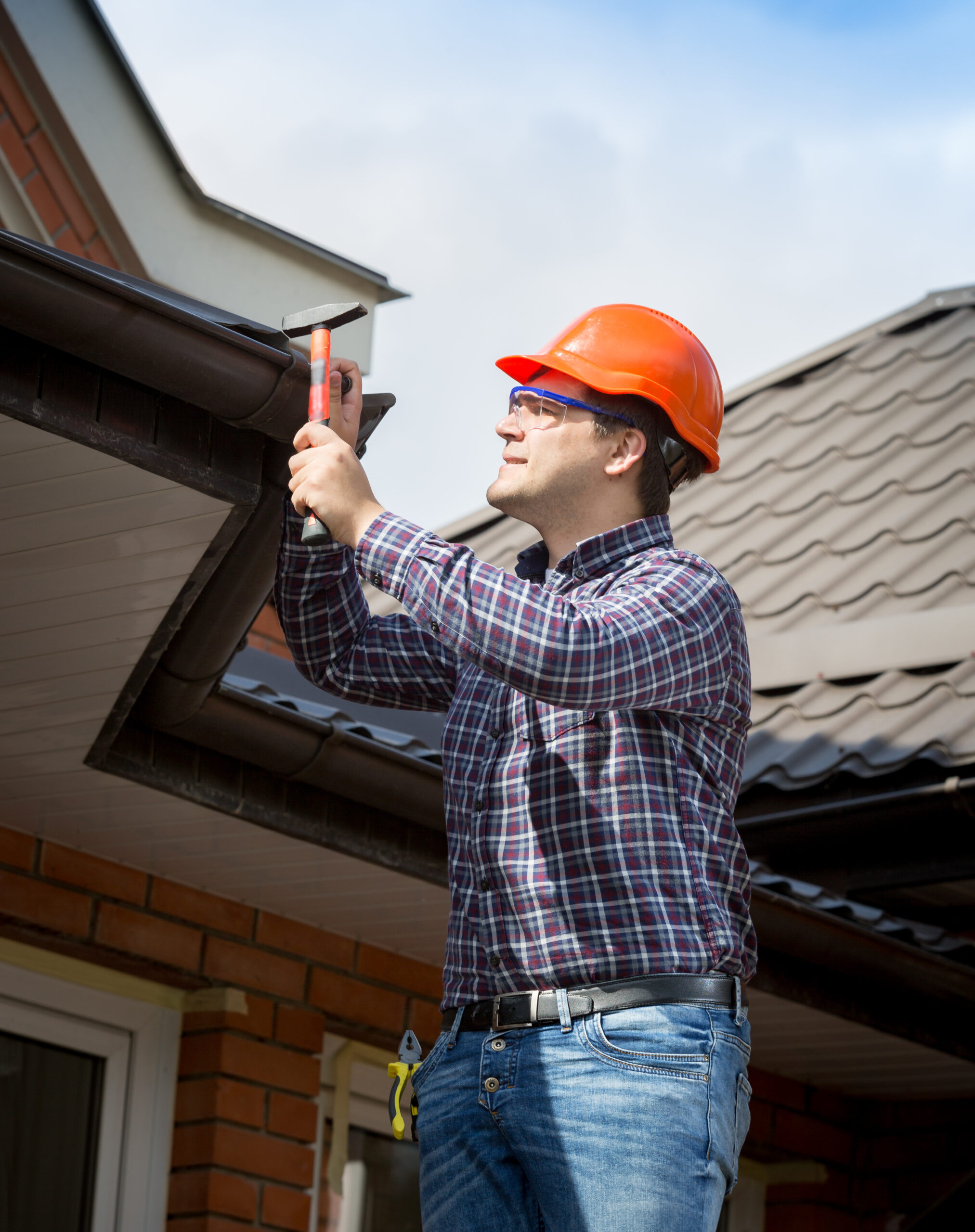
How to Choose a Reliable Roofing Contractor in the Chandler & Buckeye Area
Choosing a roofing contractor is one of the most important decisions a homeowner can make. Your roof protects your home, your belongings, and your family from Arizona’s intense sun, monsoon storms, wind, and seasonal wear. In areas like Chandler and Buckeye, where heat and weather can put constant stress on roofing systems, hiring the right contractor matters.
A reliable roofing contractor does more than install shingles or repair leaks. They help you understand the condition of your roof, explain your options clearly, use quality materials, and complete the work in a way that protects your long-term investment. The wrong contractor, on the other hand, can leave you with poor workmanship, surprise costs, incomplete repairs, and bigger problems later.
If you are trying to choose a roofing contractor in the Chandler or Buckeye area, here is what to look for and how to make a smart decision.
Start With Local Experience
One of the first things to look for is whether the roofing contractor has experience working in the Chandler and Buckeye area. Arizona roofing is different from roofing in other parts of the country. Extreme UV exposure, high summer temperatures, monsoon rains, wind, dust, and occasional hail can all affect roof performance.
A contractor with local experience is more likely to understand:
- How Arizona heat affects roofing materials over time
- The impact of monsoon storms and wind-driven rain
- Common issues with tile roofs, shingle roofs, foam roofs, and flat roofs in the area
- Which roofing materials tend to perform best in desert climates
- Local permitting and code considerations
- The importance of attic ventilation and energy efficiency in hot weather
A company that regularly works in Chandler and Buckeye will usually have a better understanding of the roofing challenges homeowners in these communities actually face.
Verify Licensing and Insurance
Before hiring any roofing contractor, make sure they are properly licensed and insured. This is one of the most basic but most important steps.
A reputable contractor should be able to provide proof of:
- Appropriate contractor licensing
- General liability insurance
- Workers’ compensation coverage when applicable
Licensing helps show that the contractor meets state requirements to perform roofing work. Insurance is equally important because it helps protect you if there is property damage or if someone is injured while working on your roof.
Never assume a contractor is covered just because they say they are. Ask for current documentation and take the time to confirm it.
Look for a Strong Reputation in the Community
A reliable roofing contractor should have a solid reputation. Online reviews, referrals, and local word of mouth can give you a clearer picture of how a company treats customers and how well they stand behind their work.
When reading reviews, pay attention to patterns. Look for comments about:
- Communication
- Timeliness
- Professionalism
- Cleanup after the job
- Quality of workmanship
- Honesty in pricing
- How problems or callbacks were handled
A few negative reviews do not always mean a company should be avoided, but repeated complaints about poor communication, no-shows, leaks after installation, or hidden costs are red flags.
It can also help to ask neighbors, friends, family members, or local real estate professionals if they have worked with a roofer they trust in the Chandler or Buckeye area.
Ask About Their Roofing Experience
Not every roofing company has the same level of experience. Some focus mostly on repairs, while others handle replacements, inspections, foam roofing, tile underlayment, or commercial systems. Ask questions about the type of work they do most often.
It is reasonable to ask:
- How long have you been doing roofing work?
- How long have you served Chandler, Buckeye, or the surrounding area?
- Do you specialize in residential roofing, commercial roofing, or both?
- What types of roofing systems do you work on most often?
- Have you handled roofs like mine before?
Arizona homes often have tile roofs, flat roofs, and shingle systems, and each one has different maintenance and repair concerns. A contractor should be familiar with the specific roofing style on your property.
Make Sure They Perform a Thorough Inspection
A dependable roofing contractor should inspect your roof carefully before giving you a recommendation. Be cautious of anyone who gives a price or diagnosis without a proper inspection.
A roof inspection should usually involve evaluating items such as:
- Missing, broken, or slipped tiles or shingles
- Signs of underlayment wear
- Flashing condition
- Roof penetrations around vents and other openings
- Ponding water on flat roofs
- Foam roof cracking or coating deterioration
- Evidence of leaks or water intrusion
- Storm-related damage
- General age and condition of the roofing system
A trustworthy contractor should explain what they found in a way that makes sense and should not pressure you into repairs or replacement without supporting evidence.
Get a Detailed Written Estimate
One of the best ways to compare roofing contractors is by reviewing written estimates. A reliable contractor should provide a clear, detailed estimate instead of a vague number scribbled on a card or given only verbally.
A quality estimate should usually outline:
- Scope of work
- Roofing materials being used
- Areas being repaired or replaced
- Estimated project timeline
- Cleanup expectations
- Warranty information
- Total project cost
This helps you compare contractors more accurately and reduces the chance of confusion later. If one estimate is dramatically lower than the others, take a closer look. A low bid may leave out important work, use lower-grade materials, or reflect shortcuts that could cost more later.
Ask About Materials and Product Options
Roofing materials matter, especially in Arizona. A reliable roofing contractor should be able to explain the pros and cons of different options based on your roof type, budget, and goals.
Depending on your property, this may include discussions about:
- Tile roofing
- Asphalt shingles
- Foam roofing
- Elastomeric coatings
- Flat roof systems
- Underlayment options
- Energy-efficient materials
- Reflective roofing products
In Chandler and Buckeye, heat resistance, durability, and long-term performance are especially important. A good contractor should help you understand which materials may work best for your home rather than simply pushing the most expensive option.
Understand the Warranty
Before hiring a roofing contractor, ask what kind of warranty comes with the work. There is often a difference between the manufacturer warranty on materials and the workmanship warranty from the contractor.
Ask questions like:
- What does the workmanship warranty cover?
- How long does it last?
- Are materials covered separately?
- What happens if there is a problem after installation?
- Is warranty service handled by your company directly?
A reliable roofer should be comfortable discussing warranties clearly. If the answers are vague or inconsistent, that is worth noticing.
Pay Attention to Communication
Communication says a lot about how a roofing contractor runs their business. From the first phone call or estimate appointment, notice whether they are responsive, respectful, and willing to answer questions.
A dependable contractor should:
- Return calls or messages in a reasonable time
- Show up when scheduled
- Explain recommendations clearly
- Provide updates during the project
- Be professional without being pushy
Poor communication early in the process often becomes a bigger issue once the project starts. If it is difficult to get clear answers before you hire them, it may not improve later.
Be Careful With Storm Chasers and High-Pressure Sales Tactics
After strong storms or periods of wind and rain, some homeowners are approached by roofers offering quick inspections or urgent repair deals. While some may be legitimate, others may be out-of-town storm chasers looking to make fast sales before moving on.
Be cautious if a contractor:
- Shows up uninvited after a storm
- Pressures you to sign immediately
- Says they found major damage without showing you
- Demands a large upfront payment
- Offers an unusually low price with limited detail
- Avoids providing documentation
- Tries to rush the insurance process
A reliable roofing contractor will give you time to review your options, ask questions, and make a decision without pressure.
Ask About Cleanup and Jobsite Protection
Roofing work can be messy. Nails, debris, old materials, and dust can create hazards if the crew does not take cleanup seriously. Before starting the project, ask how the company protects your property and what cleanup is included.
Important questions include:
- How will landscaping and outdoor areas be protected?
- Will debris be removed daily or at the end of the project?
- How do you handle nail cleanup?
- Who is responsible for hauling away old roofing materials?
A professional contractor should have a plan for keeping the work area as safe and clean as possible.
Compare More Than Just Price
Price matters, but it should not be the only factor. The cheapest estimate is not always the best value, especially with roofing. A slightly higher quote may include better materials, a more thorough scope of work, stronger warranty coverage, or a more experienced crew.
When comparing roofing contractors, consider the full picture:
- Experience
- Reputation
- Materials
- Inspection quality
- Warranty
- Communication
- Local knowledge
- Professionalism
The goal is not just to save money today. It is to make sure your roof performs well over time.
Choose a Contractor Who Educates Instead of Pressures
The best roofing contractors help homeowners make informed decisions. They explain whether a repair is enough, when a replacement may be more cost-effective, and what maintenance steps can help extend roof life.
You should feel comfortable asking questions and getting honest answers. A contractor who takes time to educate you is often more trustworthy than one who uses fear or urgency to force a quick sale.
Why Choosing the Right Roofer Matters in Chandler and Buckeye
Homes in Chandler and Buckeye face real roofing demands. Constant sun exposure can age roofing materials faster. Monsoon season can expose weak spots. Wind can damage tiles, shingles, and flashing. Small problems can become expensive if they are not handled correctly.
That is why choosing a reliable roofing contractor is about more than getting the job done. It is about protecting your home from Arizona weather, avoiding unnecessary future repairs, and making sure your investment lasts.
Whether you need a minor repair, a full roof replacement, underlayment work, foam recoating, or an inspection after a storm, working with the right contractor can make the process smoother and far less stressful.
Final Thoughts
Choosing a reliable roofing contractor in the Chandler and Buckeye area starts with doing a little homework. Look for a company with local experience, proper licensing and insurance, strong reviews, clear communication, and a willingness to provide a detailed inspection and written estimate.
Do not rush the process. Ask questions, compare options, and focus on value rather than just the lowest number. A good roofer will be transparent, professional, and committed to quality from the first conversation to the final cleanup.
When you choose carefully, you are not just hiring someone to work on your roof. You are choosing a partner to help protect your home for years to come.
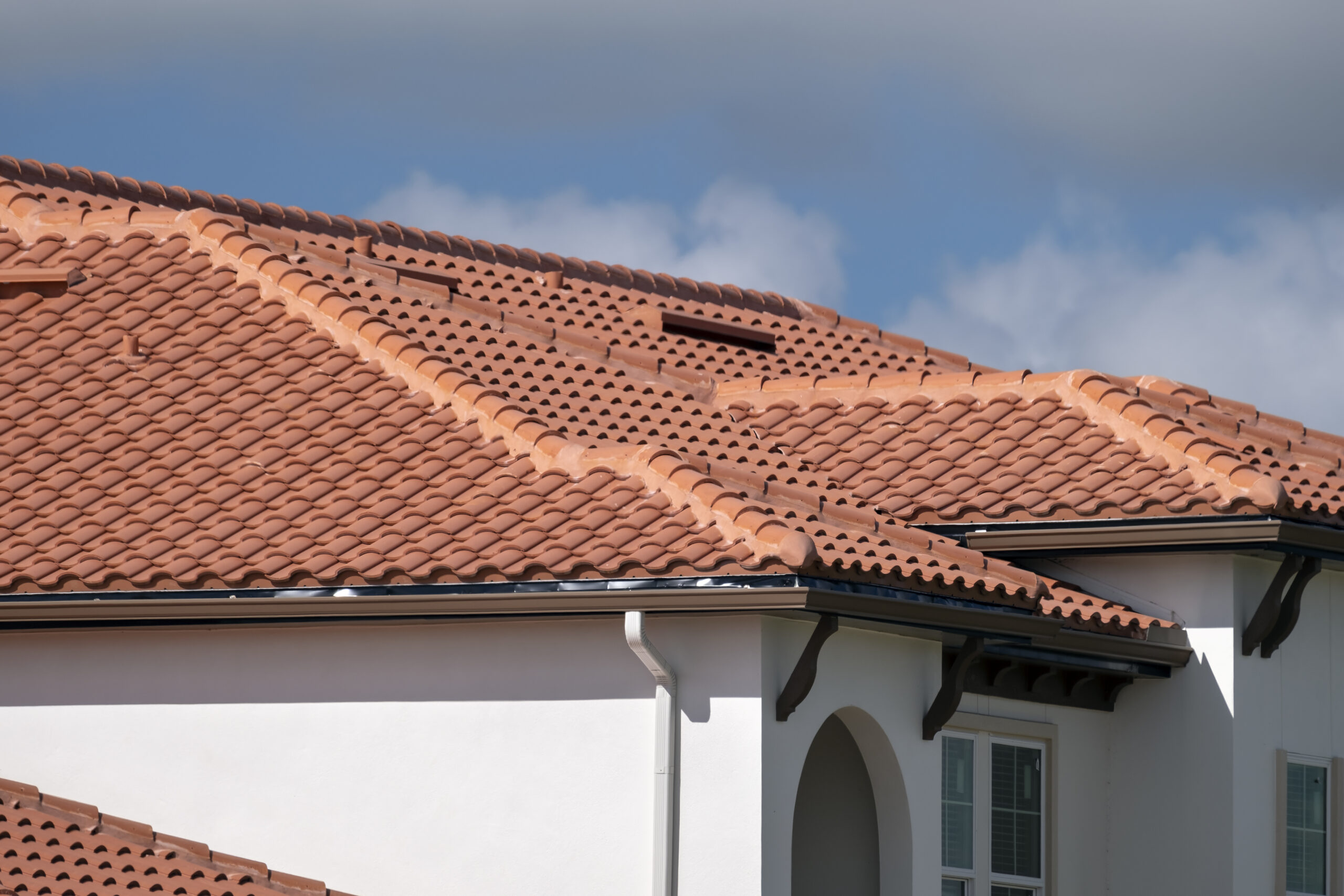
Signs It’s Time to Repair vs. Replace Your Roof in the East & West Valley
Your roof protects everything underneath it, but it does not last forever—especially in Arizona. Between intense summer heat, monsoon storms, high winds, dust, and constant UV exposure, roofs across the East and West Valley take a beating year after year. For homeowners, one of the most common questions is whether a roofing problem can be repaired or whether it makes more sense to replace the roof altogether.
The answer depends on several factors, including the age of the roof, the type of damage, how widespread the problem is, and whether the roofing system is still performing the way it should. In places like Phoenix, Mesa, Chandler, Gilbert, Scottsdale, Tempe, Peoria, Glendale, Surprise, Goodyear, Avondale, Buckeye, and surrounding areas, knowing the difference between a roof that needs a targeted repair and one that is nearing the end of its life can help you avoid bigger and more expensive problems later.
Why Arizona Roofs Wear Out Differently
Roofs in the East and West Valley face conditions that are especially hard on roofing materials. Constant sun exposure can dry out and weaken shingles, underlayment, sealants, and other roofing components. Extreme heat causes materials to expand and contract repeatedly, which can lead to cracks, warping, and early wear. Monsoon season can then expose those weaknesses by bringing wind, rain, and blowing debris.
Even a roof that looks fine from the ground may be hiding damage that has built up over time. That is why it is important to pay attention to both visible warning signs and the overall age and condition of the roof.
When a Roof Repair May Be Enough
In many cases, a roof repair is the right solution. Repairs are often appropriate when the damage is limited to one area and the rest of the roof is still in good condition.
1. The Damage Is Isolated
If only a small section of the roof is affected, a repair may be all you need. Examples include:
- A few missing or cracked shingles
- Minor flashing damage
- A small leak around a vent, skylight, or chimney
- Localized storm damage
- A small area of tile displacement
- Sealant failure in one section
When the problem is limited and the rest of the roof is still structurally sound, repairing the damaged area can be a practical and cost-effective option.
2. Your Roof Is Still Relatively Young
A newer roof with a small issue is often a strong candidate for repair. If the roof still has many useful years left and the problem has been caught early, repairing the affected section can help extend the life of the entire system.
3. The Leak Was Caught Early
A leak does not always mean the whole roof needs to be replaced. If the source is identified quickly and the water intrusion has not spread far, a repair may solve the issue before major interior damage occurs.
4. Storm Damage Is Limited
Arizona monsoons can damage specific parts of a roof without destroying the full system. If wind lifts a few shingles, debris damages one section, or flashing is loosened during a storm, targeted repairs may restore the roof without needing a full replacement.
5. The Roof Structure Is Still Sound
If the decking, support structure, and major roofing components are still in good shape, repairs are often enough. In these cases, the issue may be cosmetic or limited to the surface materials rather than a failure of the roof system as a whole.
Signs a Roof Replacement May Be the Better Option
Sometimes a repair only delays the inevitable. If problems are widespread or the roof is already near the end of its expected lifespan, replacement may be the smarter long-term investment.
1. The Roof Is Nearing the End of Its Life
All roofing materials have a lifespan, and Arizona’s climate can shorten it. Even if a roof has not completely failed yet, age matters. Older roofs are more likely to develop repeated issues, and making repair after repair can become more expensive than replacing the roof with a new system built for desert conditions.
2. Damage Is Widespread
If damage appears across multiple areas of the roof, replacement is often more practical. Signs of widespread damage may include:
- Large sections of missing, curling, or brittle shingles
- Extensive tile damage
- Repeated leaks in different areas
- Widespread underlayment deterioration
- Multiple failing roof penetrations
- Sagging areas or uneven roof lines
When a roof is failing in multiple places, patching one section may not solve the overall problem.
3. Repairs Keep Adding Up
If you are calling for roof repairs again and again, replacement may be the more cost-effective choice. Frequent repairs can become frustrating and expensive, especially when they only provide a temporary fix. A new roof can offer better protection, fewer recurring issues, and greater peace of mind.
4. There Is Serious Water Damage
Water damage can go far beyond the outer roofing material. If leaks have caused rot, damaged decking, mold concerns, ceiling staining, insulation problems, or structural weakening, a replacement may be necessary to properly address the issue.
5. The Roof Is No Longer Energy Efficient
Arizona homeowners know how important energy efficiency is. An aging roof can contribute to higher cooling costs if materials have deteriorated and ventilation is poor. If the roof is no longer helping protect the home from the Valley’s intense heat, replacement may provide both better protection and better performance.
6. The Roof Looks Worn Out Across the Whole Surface
Appearance is not everything, but it can still tell you a lot. If the roof looks heavily aged, faded, cracked, brittle, uneven, or visibly worn in many areas, it may be time to consider replacing it rather than trying to keep patching it.
Common Arizona Roof Problems That May Point to Repair or Replacement
Homeowners in the East and West Valley often deal with roofing issues tied directly to the local climate.
Sun Damage
Arizona sun can wear down roofing materials faster than many homeowners expect. Shingles may become brittle, tiles may crack, and underlayment can dry out over time. If sun damage is limited, repairs may help. If the entire roof has been baked and weakened for years, replacement may make more sense.
Monsoon Damage
Monsoons can bring heavy rain, high winds, and airborne debris. Some homes only need repair after a storm. Others may reveal broader weaknesses, especially if the roof was already aging before the storm hit.
Underlayment Failure
On tile roofs, the tiles themselves may look fine while the underlayment beneath them is wearing out. In Arizona, underlayment condition is a major factor in whether a roof needs repair or replacement. If failure is widespread under the tiles, a more extensive roofing project may be necessary.
Flashing and Penetration Issues
Roof leaks often begin around vents, chimneys, skylights, and other penetrations. These areas can sometimes be repaired without replacing the entire roof, but repeated problems may indicate a larger issue with the overall roof system.
Repair vs. Replacement: Questions Homeowners Should Consider
When deciding whether to repair or replace a roof, it helps to ask a few practical questions:
- How old is the roof?
- Is the damage isolated or widespread?
- Has the roof needed multiple repairs in recent years?
- Are there signs of water damage inside the home?
- Is the roof still protecting the home efficiently?
- Would a repair solve the real problem or only delay a bigger one?
A professional inspection can help answer these questions and identify whether the issue is limited or whether the roof is beginning to fail more broadly.
The Cost of Waiting Too Long
One of the biggest mistakes homeowners make is waiting too long to address roofing problems. A small issue that could have been repaired may turn into a much larger and more expensive problem if left alone. Leaks can spread, decking can rot, insulation can be damaged, and interior repairs can become necessary.
On the other hand, continuing to spend money on repeated repairs for a roof that is already worn out may not be the best use of your budget. That is why the goal is not simply to choose the cheaper option today—it is to choose the smarter option for the condition of the roof and the long-term protection of the home.
Why a Professional Roof Inspection Matters
A roofing issue is not always easy to diagnose from the ground. What looks like a simple leak may actually be part of a larger problem, and what appears to be major damage may sometimes be repairable. A professional roof inspection can help determine:
- The age and overall condition of the roof
- Whether damage is isolated or widespread
- Whether repairs are likely to last
- Whether replacement is the more practical long-term choice
- Which materials and systems may be best suited for Arizona conditions
For homeowners in the East and West Valley, an inspection is often the best starting point because it provides a clearer picture of what the roof actually needs.
Roof Repair and Replacement in the East & West Valley
Homes across the East Valley and West Valley deal with different roofing demands, but the Arizona climate affects them all. Whether you live in Mesa, Chandler, Gilbert, Scottsdale, Tempe, Phoenix, Peoria, Glendale, Surprise, Avondale, Buckeye, Goodyear, or nearby communities, your roof has to stand up to year-round exposure, sudden storms, and extreme summer temperatures.
A roof repair may be the right answer when the damage is minor and the rest of the roof is in good shape. A roof replacement may be the better investment when the roof is older, worn out, leaking in multiple places, or no longer providing dependable protection.
Final Thoughts
Knowing whether to repair or replace your roof is not always simple, but paying attention to the warning signs can help you make a better decision. If the problem is small, isolated, and caught early, a repair may be enough. If the roof is aging, failing in multiple areas, or costing you money through repeated repairs and reduced efficiency, replacement may be the better path.
For homeowners in Arizona’s East and West Valley, the key is acting before a manageable roofing issue turns into major damage. A professional inspection can help you understand the condition of your roof, evaluate your options, and choose the solution that best protects your home.
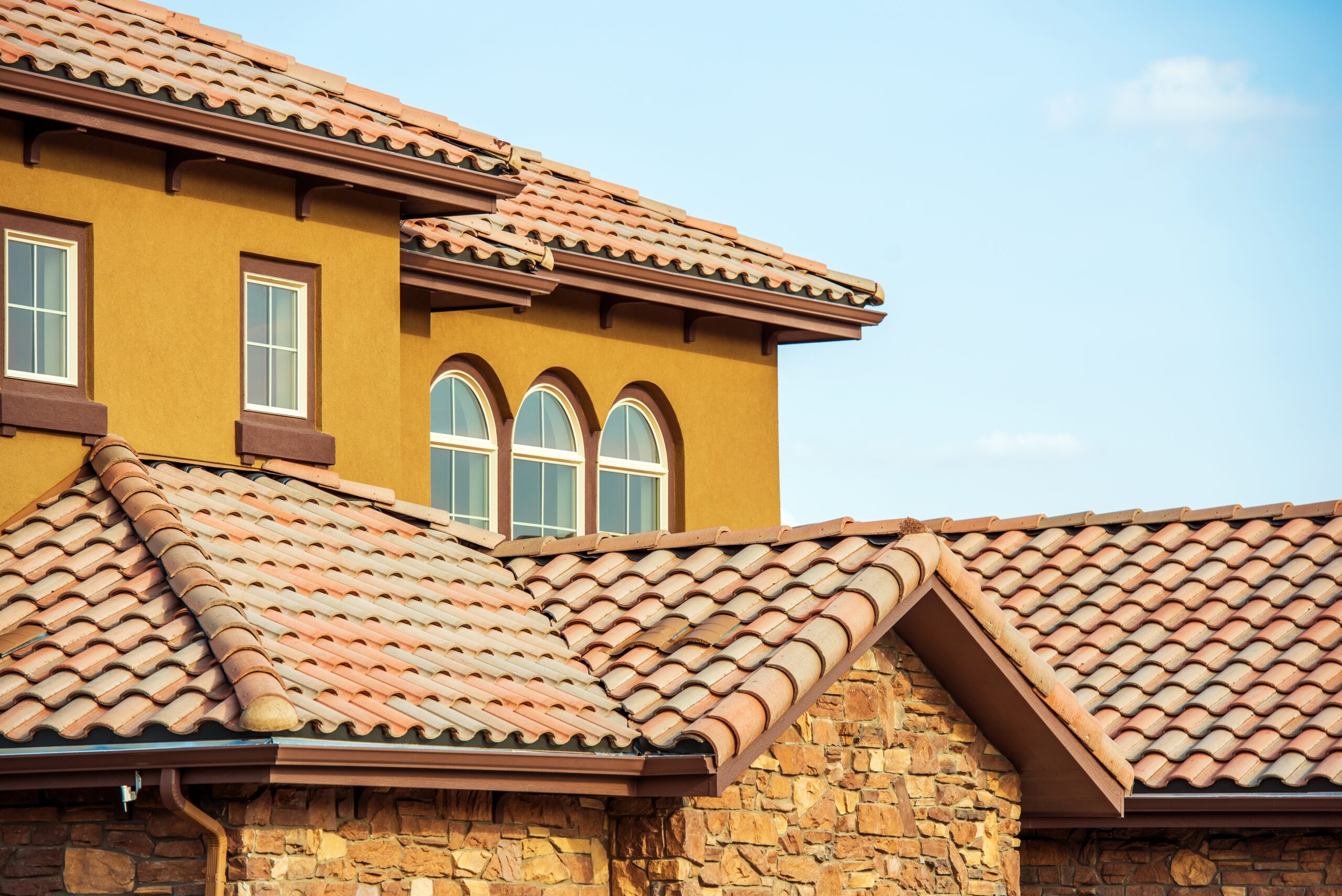
Storm Damage in Peoria, Arizona: What Homeowners Need to Know
Monsoon storms in Arizona can move fast — and when they hit Peoria, they can leave significant roof damage behind. High winds, driving rain, hail, and flying debris can all compromise your roofing system, sometimes in ways that aren’t immediately visible from the ground.
If you live in Peoria, understanding how storm damage affects your roof — and what steps to take afterward — can protect your home, prevent costly repairs, and ensure your insurance claim is handled properly.
Why Storm Damage Is Common in Peoria
Peoria homeowners face several seasonal weather risks, especially during Arizona’s monsoon season:
- Sudden high wind gusts (often exceeding 50–70 mph)
- Blowing dust and airborne debris
- Heavy downpours in short periods of time
- Occasional hail
- Rapid pressure changes that lift shingles or tiles
Flat roofs, tile roofs, foam roofs, and asphalt shingle systems can all be affected differently depending on storm intensity and roof condition.
Even if your roof appears intact, hidden damage can develop into leaks weeks or months later.
Common Types of Roof Storm Damage in Peoria
1. Lifted or Dislodged Roof Tiles
Concrete and clay tiles are popular throughout Peoria. High winds can shift, crack, or completely remove tiles — exposing underlayment to moisture.
2. Damaged Underlayment
On tile roofs, the waterproof underlayment is the true barrier against water intrusion. Wind-driven rain can seep beneath displaced tiles and saturate this layer.
3. Shingle Damage
Asphalt shingles may show:
- Missing tabs
- Creasing from wind lift
- Granule loss
- Impact damage from debris
4. Foam Roof Surface Damage
Flat foam roofs can develop:
- Surface punctures
- Coating erosion
- Water pooling from clogged drains
5. Flashing & Seal Failures
Storm movement can loosen flashing around:
- Chimneys
- Skylights
- Roof vents
- HVAC penetrations
Once flashing fails, water intrusion becomes much more likely.
Signs Your Peoria Roof May Have Storm Damage
After a storm, look for:
- Tiles or shingles on the ground
- Debris buildup in valleys
- Water stains on ceilings
- Peeling paint or drywall bubbling
- Granules in gutters
- Visible sagging areas
Sometimes the damage is subtle. A professional roof inspection is often the safest and most reliable way to identify hidden issues.
Why Prompt Inspections Matter
Storm damage that goes unaddressed can lead to:
- Interior leaks
- Mold growth
- Structural wood rot
- Insulation damage
- Higher repair costs later
Arizona’s heat can also worsen storm-related vulnerabilities. A small opening in underlayment can quickly deteriorate under extreme sun exposure.
Scheduling a timely inspection helps prevent minor damage from becoming a major expense.
Insurance Claims for Storm Damage in Peoria
Many homeowners insurance policies cover sudden storm-related roof damage. However, insurance companies typically require:
- Documentation of the damage
- Evidence the damage is storm-related
- Timely reporting of the claim
Working with an experienced roofing professional can help ensure damage is properly documented and that you understand your repair options before moving forward.
Important: Never sign paperwork with contractors who pressure you into immediate agreements after a storm. Reputable roofing professionals provide clear explanations and transparent estimates.
Roof Types in Peoria & Storm Considerations
Tile Roofs
Tile roofs are durable but vulnerable to impact cracks and underlayment aging. A storm may accelerate the need for underlayment replacement.
Asphalt Shingle Roofs
Shingles can tear or lift in high winds. Even small wind creases can compromise long-term performance.
Foam & Flat Roofs
Flat systems require proper drainage. Monsoon storms can expose weaknesses in scuppers and coatings.
Each roof type requires a tailored inspection approach.
Preventing Future Storm Damage
While storms cannot be prevented, proactive steps can reduce risk:
- Schedule routine roof inspections (especially before monsoon season)
- Replace aging underlayment
- Clear debris from drains and valleys
- Ensure proper attic ventilation
- Address minor repairs promptly
Preventative maintenance extends roof life and improves storm resilience.
When to Call a Roofing Professional
You should schedule a professional inspection if:
- Your neighborhood experienced strong winds or hail
- You see visible roof debris
- You notice interior water stains
- Your roof is more than 15–20 years old
- It has been several years since your last inspection
Storm damage isn’t always obvious from the ground. Climbing on your roof yourself can be dangerous and may cause additional damage.
Protecting Your Peoria Home After a Storm
Storms are a normal part of life in Peoria — but roof damage doesn’t have to become a long-term problem. Prompt inspections, professional documentation, and high-quality repairs ensure your roofing system remains strong, watertight, and ready for the next monsoon season.
If your home has experienced recent storm activity, scheduling a thorough roof inspection is one of the smartest steps you can take to protect your investment.
Because when it comes to storm damage in Peoria, early action makes all the difference.

Addressing Hail Damage in Sun City: Why Hiring a Trusted Phoenix Roofer Matters
Living in Sun City offers beautiful desert views, quiet neighborhoods, and a strong sense of community—but even in the Valley of the Sun, severe weather can strike. Hailstorms, though less frequent than monsoons, can cause serious and often hidden damage to residential roofs. When that happens, working with a professional, trusted roofer in the greater Phoenix area is essential to protecting your home, your finances, and your peace of mind.
How Hail Affects Roofs in Sun City
Hail damage isn’t always obvious from the ground. Even small hailstones can compromise roofing materials, especially under Arizona’s intense sun and heat. Over time, what looks like minor wear can turn into leaks, insulation damage, and costly structural issues.
Common signs of hail damage include:
- Bruised or cracked asphalt shingles
- Granule loss that exposes the shingle mat
- Dents or fractures in tile roofing
- Damage to flashing, vents, and skylights
- Premature roof aging and reduced lifespan
In Sun City—where many homes are single-story and roofs are constantly exposed—hail damage can accelerate deterioration if not addressed promptly.
Why You Shouldn’t Ignore Hail Damage
One of the biggest risks with hail damage is delay. Homeowners often assume the roof is fine because there’s no immediate leak. Unfortunately, hail damage weakens roofing materials in ways that may not show symptoms for months.
Ignoring hail damage can lead to:
- Water intrusion during monsoon storms
- Mold growth in attic spaces
- Higher energy bills due to compromised insulation
- Denied insurance claims due to missed filing deadlines
A professional roof inspection shortly after a hail event is the safest way to avoid these outcomes.
The Value of Hiring a Professional, Trusted Roofer
Not all roofing contractors are created equal—especially after storms, when out-of-town “storm chasers” often flood the area. Hiring a reputable Phoenix-area roofer ensures the work is done correctly, ethically, and in compliance with Arizona building standards.
A trusted roofer will:
- Perform a thorough, documented roof inspection
- Identify both visible and hidden hail damage
- Provide honest recommendations—repair vs. replacement
- Assist with insurance claim documentation if needed
- Use high-quality materials suited for Arizona’s climate
Local roofers understand how Sun City homes are built and how desert conditions affect roofing systems over time—experience that matters when assessing hail damage accurately.
Insurance Claims: Why Professional Help Is Critical
Hail damage is often covered by homeowners insurance, but navigating a claim can be stressful. A professional roofer experienced in hail claims can make a significant difference by:
- Providing detailed inspection reports and photos
- Meeting with insurance adjusters if required
- Ensuring all legitimate damage is accounted for
- Preventing underpaid or denied claims
This support helps Sun City homeowners avoid out-of-pocket surprises and ensures repairs meet both insurance and manufacturer standards.
Choosing the Right Roofer in the Greater Phoenix Area
When selecting a roofer to address hail damage, look for:
- Proper Arizona licensing and insurance
- Strong local reviews and references
- Experience with hail damage and insurance work
- Clear, written estimates with no pressure tactics
- Warranties on labor and materials
A roofer with a long-standing presence in the Phoenix metro area is far more likely to stand behind their work than a temporary storm-response crew.
Protecting Your Sun City Home Long-Term
Addressing hail damage quickly doesn’t just fix today’s problem—it protects your home’s value, energy efficiency, and structural integrity for years to come. With professional inspection and repairs, your roof can continue doing its job: shielding your home from heat, storms, and the unexpected.
If your Sun City home has experienced a recent hailstorm—or you suspect damage from past weather—don’t wait. Contact a trusted, professional roofer serving the greater Phoenix area for an inspection and expert guidance. It’s one of the smartest investments you can make in your home’s longevity and safety.
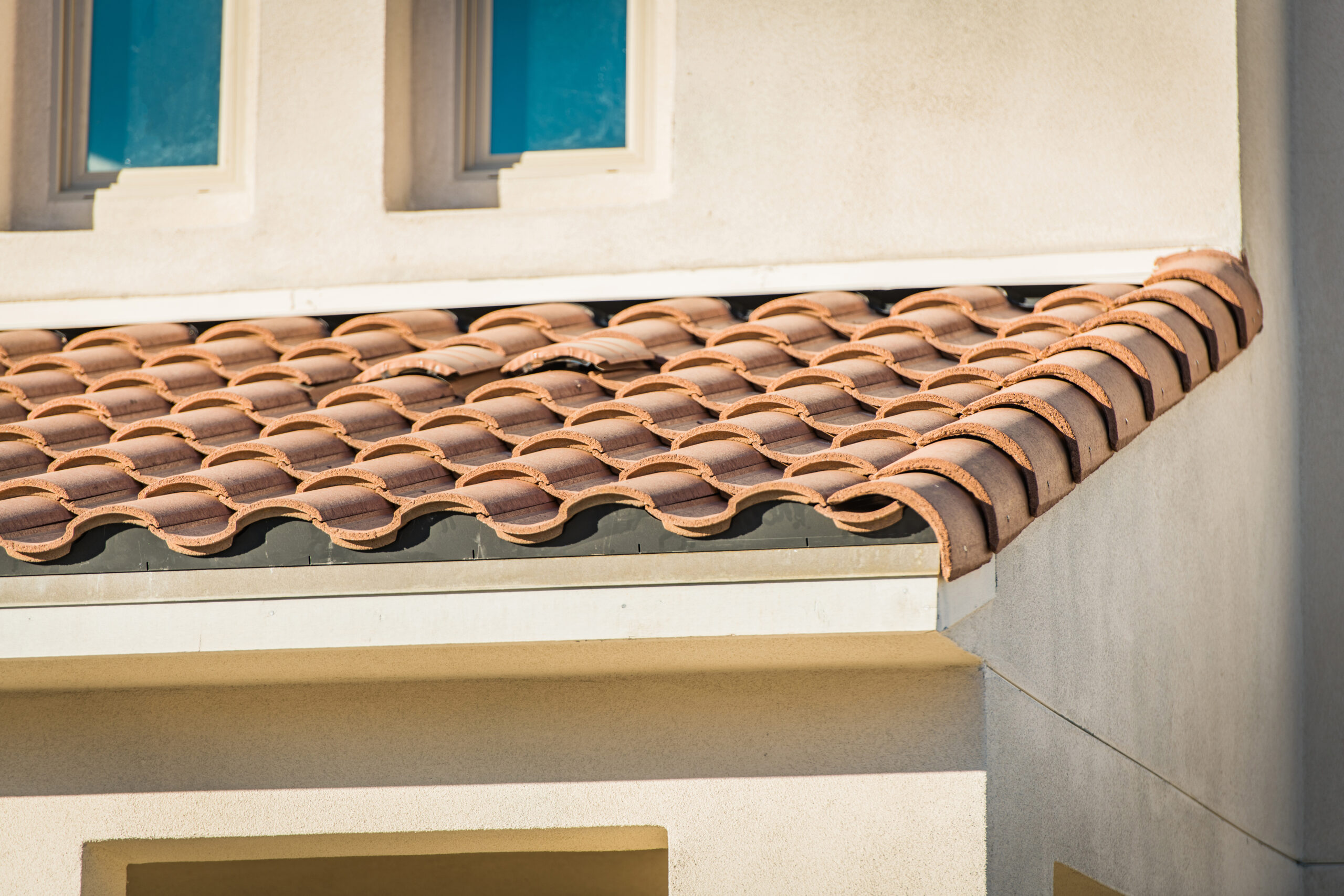
Why Replacing Your Roof Is One of the Smartest Investments You Can Make
When most homeowners think about improving their property, they picture kitchen remodels, new flooring, or updated landscaping. While those upgrades certainly add comfort and appeal, few home improvements deliver a return on investment as reliably and powerfully as a new roof. A properly installed roof not only protects your home but also enhances energy efficiency, boosts property value, and reduces long-term maintenance costs.
At Almeida Roofing, we work with homeowners throughout the Phoenix metro area who often ask the same question:
“Is it worth investing in a new roof?”
In almost every case, the answer is yes, especially in Arizona, where extreme heat, monsoon storms, and sun exposure wear down roofing materials faster than in many other parts of the country.
This comprehensive guide breaks down the top benefits of installing a new roof, explains what homeowners can expect, and includes FAQs to help you make the smartest decision possible for your home.
1. A New Roof Protects Your Home from Costly Damage
Your roof is your home’s first and most important line of defense. When it begins to age, deteriorate, or develop hidden issues, your entire home becomes vulnerable to:
- Water intrusion
- Mold and mildew growth
- Insulation damage
- Electrical issues
- Structural wood rot
- Pest infestations
Even a single cracked or missing shingle, loose tile, or damaged underlayment can create pathways for water to seep in during monsoons or heavy winds. And because roof damage often starts small (and quietly), problems may go unnoticed until they become severe and expensive.
A new roof prevents hidden damage from escalating
Installing a new roof ensures every layer, from the underlayment to the outer shingles, tiles, or foam, is strong, sealed, and ready to protect your home for decades. It eliminates the risk of patchwork problems and gives homeowners peace of mind knowing their property is protected during the harshest Arizona weather.
2. Improved Energy Efficiency and Lower Utility Bills
Arizona is one of the hottest states in the country, and a worn-out roof can dramatically increase the amount of heat your home absorbs. As shingles fade, tiles crack, and underlayment deteriorates, your home loses its ability to reflect sunlight and block heat.
A new roof, especially one designed for desert climates, offers:
Better insulation and ventilation
Proper attic ventilation helps cool your home and reduces moisture buildup. A new roofing system allows our team to address any ventilation issues to ensure air flows correctly.
Modern energy-efficient materials
Energy-efficient shingles and tiles reflect more sunlight and absorb less heat. This creates a cooler indoor environment, reducing strain on your air conditioner.
Lower monthly energy bills
Many homeowners report noticeable decreases in their electric bills after installing a new roof. Improved efficiency means your HVAC system doesn’t have to work as hard, especially during Phoenix summers.
3. Increased Home Value and Market Appeal
If you’re planning to sell your home in the next few years, a new roof offers one of the highest returns on investment (ROI) of any renovation. A roof replacement consistently delivers:
- Higher resale value
- Better curb appeal
- Faster selling time
- Increased buyer confidence
Potential buyers often worry about hidden expenses when purchasing a home. Seeing a recently installed roof eliminates one of the biggest concerns and can justify a higher asking price.
Buyers prefer newer roofs, especially in Arizona
Because Arizona weather is tough on roofs, many buyers specifically look for homes with newer roofing systems. A brand-new roof can be the deciding factor between two properties.
4. Enhanced Curb Appeal
Your roof makes up a large portion of your home’s exterior. When it starts showing signs of age, discoloration, missing tiles, curled shingles, or sagging, it can dramatically affect the overall look of your property.
A new roof gives your home a clean, modern appearance that enhances curb appeal instantly.
Fresh colors and updated materials
Roofing materials today come in more styles, textures, and colors than ever before. Whether you prefer a sleek modern look or a classic desert aesthetic, we can help you choose a roof that elevates your home’s entire appearance.
5. Long-Term Savings and Fewer Repairs
Older roofs often require frequent repairs, especially after storms or high winds. While repairs can temporarily fix issues, they don’t always solve the underlying problem, aging materials.
A new roof eliminates the cycle of continuous patching
Instead of paying for ongoing repairs, a replacement gives you a fresh start and reduces the likelihood of:
- Leaks
- Tile or shingle replacement
- Underlayment failures
- Emergency storm repairs
- Rot and moisture issues
In fact, many homeowners find that replacing their roof costs less over time than repeatedly repairing an old one.
6. Better Manufacturer and Workmanship Warranties
When you install a new roof, you get the benefit of modern warranties that older roofs simply don’t have. Most new roofing systems come with:
- Manufacturer warranties that cover defects in materials
- Workmanship warranties from the installer
- Extended coverage options for long-term protection
At Almeida Roofing, we stand behind our work with warranties designed to protect homeowners and ensure long-lasting performance.
7. Improved Safety for Your Home and Family
Old roofs can pose safety risks, including:
- Loose tiles that fall during storms
- Weak spots that collapse under weight
- Mold exposure from hidden moisture
- Structural roof deterioration
A new roof eliminates these hazards and ensures your home is protected for years to come.
Especially important for storm season
The combination of monsoon winds, heavy rain, and extreme heat makes roof safety a major concern in Arizona. A new roof dramatically reduces risks during severe weather events.
8. A New Roof Helps Prevent Insurance Headaches
Insurance companies often deny claims if damage results from poor maintenance or an old roof nearing the end of its lifespan. Some insurers even charge higher premiums for older roofs.
A new roof can help you:
- Secure better coverage
- Reduce the risk of claim denial
- Lower insurance premiums (depending on the provider)
- Qualify for certain discount programs
Replacing your roof proactively can protect you from battles with insurance later.
9. Modern Roofing Technology Is Superior to Older Systems
Roofing materials have evolved significantly over the past decade. Today’s roofing systems offer:
- Higher wind resistance
- Better UV protection
- Improved fire ratings
- Stronger water barriers
- More durable underlayment
- More eco-friendly material options
Installing a new roof ensures your home benefits from advancements in both materials and installation practices.
10. Peace of Mind for Decades
There’s no substitute for the confidence that comes from knowing your home is protected. A new roof provides long-term peace of mind and stability, something every homeowner values.
You won’t have to worry about:
- Whether a storm will cause leaks
- Whether your roof is safe to walk on
- Whether you’ll need expensive emergency repairs this year
- Whether your roof is silently deteriorating
A new roof is an investment in your home, your financial security, and your comfort.
Frequently Asked Questions About New Roof Installation (FAQs)
How do I know if I need a new roof?
Common signs include missing shingles or tiles, cracks, faded materials, leaks, sagging areas, granule loss, or a roof that’s 15–25+ years old. In Arizona, roof materials wear out faster due to heat and sun exposure, so inspections are crucial.
How long does a new roof last in Arizona?
Depending on the material:
- Asphalt shingles: 15–25 years
- Tile roofs (with proper underlayment): 25–50 years
- Foam roofs: 10–20 years
- Metal roofs: 40–70 years
The lifespan varies based on installation quality, weather conditions, and maintenance.
Is a roof replacement expensive?
A new roof is a significant investment, but it delivers long-term savings, increases home value, and reduces repair and energy costs. Financing options are often available.
Should I replace or just repair my roof?
If your roof is newer or the damage is isolated, a repair may be sufficient. But if your roof is aging or repairs are becoming frequent, replacement is usually more cost-effective.
What roofing material is best for Arizona homes?
Popular choices include:
- Tile roofing (very durable in heat)
- Architectural shingles
- Foam roofing for flat roofs
- Metal roofing for modern homes
Our team can help you determine the best option based on your property.
How long does roof installation take?
Most homes can be re-roofed in 1–3 days, depending on size and material type.
Will a new roof reduce my energy bills?
Yes. New materials reflect heat better, reduce attic temperatures, and improve ventilation—all of which can lower your cooling costs significantly.
Can I stay home during installation?
Absolutely. While roofing is noisy, most homeowners stay home during the process.
Does a new roof come with a warranty?
Yes! New roofs include manufacturer warranties and workmanship warranties, which protect your investment for years.
Final Thoughts: Is a New Roof Worth It?
Absolutely. A new roof is one of the most valuable and protective investments you can make as a homeowner, especially in Arizona’s demanding climate. From improved energy efficiency to stronger storm protection and enhanced property value, the benefits are both immediate and long-lasting.
If you’re ready to upgrade your home’s protection and curb appeal, the experts at Almeida Roofing are here to help.

How to Prepare Your Roof for Phoenix Monsoon Season
Expert Tips from Almeida Roofing – Serving Maricopa County for Over 40 Years
Arizona’s monsoon season is one of the most breathtaking weather phenomena in the Southwest—but for Phoenix homeowners, it can also be one of the most damaging. From intense wind bursts and sudden downpours to dust storms, microbursts, and hail, the desert summer can take a serious toll on your roof.
Your roof is your first line of defense against monsoon damage, and proper preparation can prevent costly leaks, structural damage, and emergency repairs during the peak storm months. At Almeida Roofing, we’ve been helping Phoenix-area homeowners protect their homes for more than 40 years, combining the personalized care of a local, family-owned business with the expertise of a full-service roofing contractor.
In this guide, we’ll walk you through exactly how to prepare your roof for Phoenix monsoon season, what warning signs to look for, and when it’s time to call the professionals.
Why Monsoon Season is Tough on Phoenix Roofs
Monsoon season officially begins in mid-June and lasts through September. While many people expect rain, monsoons bring much more than that:
High Winds & Microbursts – Winds can exceed 60 mph, tearing off shingles, lifting tiles, and loosening roof flashing.
Heavy Rain & Sudden Downpours – Poor drainage, damaged shingles, or clogged gutters can lead to leaks and water intrusion.
Dust Storms (Haboobs) – Fine debris collects on rooftops, trapping moisture and leading to mold or structural decay if not cleared.
Hail & Debris Impact – Hail and storm-flung debris can crack tiles, dent metal, split underlayment, or puncture flat roofs.
Simply put: your roof faces an aggressive combination of wind, water, and debris, and even minor weaknesses can quickly turn into major repairs.
Step-by-Step: How to Prepare Your Roof for Monsoon Season
1. Schedule a Pre-Monsoon Roof Inspection
The most effective way to protect your roof is to schedule a professional inspection—preferably before June. A trained roofing expert will assess:
✔ Loose or missing shingles or tiles
✔ Cracked or lifted flashing
✔ Broken or slipped underlayment
✔ Soft spots or signs of rot
✔ Gutter and drainage functionality
✔ Vulnerable penetrations (vents, chimneys, skylights)
At Almeida Roofing, we provide a thorough monsoon-ready roof assessment, giving you peace of mind knowing your home is protected before the storms arrive.
Schedule your inspection now: (602) 743-3175
2. Inspect and Seal Roof Flashing
Roof flashing is the thin metal material installed around chimneys, walls, vents, and skylights to prevent water intrusion. Monsoon winds and hail can easily loosen or damage flashing, allowing water to seep into your roof decking.
What to do:
✔ Ensure flashing is properly sealed and secure
✔ Seal gaps around vent pipes and roof penetrations
✔ Repair lifted or rusted flashing immediately
Failing to address flashing issues can lead to hidden leaks and long-term structural damage.
3. Replace Broken, Cracked, or Missing Tiles/Shingles
Loose tiles and lifted shingles are especially vulnerable to powerful winds. Once one shingle lifts, surrounding shingles are more likely to peel back or tear away.
Warning signs to look for:
– Cracked or chipped roof tiles
– Cupped, curling, or brittle shingles
– Bald spots (missing granules) on asphalt shingles
– Loose or rattling roofing during windy days
Even one broken tile can expose your roof to water intrusion. Tile roofs, especially popular in the Phoenix Valley, should be checked regularly for damage.
4. Clean Gutters and Downspouts
One of the most overlooked monsoon preparations? Roof drainage.
Clogged gutters can cause rainwater to back up and seep under roof tiles, flood fascia boards, or even cause interior leaks. Dust storms, leaves, and bird nests are common debris sources in Arizona homes.
How to prepare:
✔ Remove built-up leaves, dirt, and debris
✔ Ensure downspouts channel water at least 2–3 feet away from the foundation
✔ Install gutter guards, especially in tree-lined neighborhoods like Ahwatukee, Gilbert, and North Phoenix
Clean flow = less flooding and fewer roof leaks.
5. Trim Overhanging Trees Before Winds Hit
High winds don’t just drop tree limbs—sometimes they swing them against your roof, cracking tiles, denting shingles, and damaging gutters.
What to check:
– Branches hanging over the roof
– Leaning trees near the house
– Dead or brittle limbs that may break in a storm
A single flying branch can crack roofing tiles, damage flashing, or break skylights—leading to thousands of dollars in repairs.
6. Check Roof Ventilation
Hot attic air combined with trapped moisture creates a perfect storm for mold, condensation, and damaged roof decking—especially during Phoenix’s humid monsoon nights.
Proper ventilation helps:
✔ Reduce attic heat
✔ Prevent moisture buildup
✔ Protect shingles and decking from premature aging
Both ridge vents and attic fans can improve airflow, keeping your roof stronger and longer-lasting.
7. Repair and Protect Flat Roofs (Modified Bitumen, Foam & TPO)
Flat roofs are especially vulnerable during monsoon season. Because they don’t drain as efficiently, pooled water can seep into seams, blister membranes, and weaken insulation beneath.
Flat roof storm prep checklist:
✔ Inspect for ponding or standing water
✔ Repair cracks, seam separations, and penetration damage
✔ Recoat foam roofs every 5–7 years
✔ Stop minor punctures before they become leaks
Almeida Roofing specializes in flat and foam roofing protection, helping Phoenix homeowners protect their investment before monsoons hit.
8. Inspect Skylights and Roof Openings
Skylights, chimneys, AC stands, and satellite mounts are common leak points during storms.
Check for:
– Loose seals, cracked caulking, or worn rubber boots
– Signs of water staining around the edges
– Gaps where wind could lift materials
These penetrations should be sealed tightly before monsoon conditions arrive.
9. Know the Signs of an Active or Developing Roof Leak
Even if your roof appears fine, there may still be hidden damage.
Watch for these warning signs:
– Yellow or brown ceiling stains
– Peeling paint or bubbling drywall
– Musty odors or mold spots
– Warping around vents or skylights
– Drips during heavy rain
If you notice any of these issues, call a roofing professional immediately. Early detection prevents long-term damage to insulation, drywall, framing—and your wallet.
What to Do After a Monsoon Storm
Even if your roof was prepared, post-storm inspection is critical.
After a storm, check for:
✔ Missing shingles or tiles
✔ Damaged flashing or vents
✔ Sagging rooflines
✔ Broken gutters or downspouts
✔ Wet spots in the attic
✔ Signs of wind uplift
If you see damage or suspect it, Almeida Roofing offers emergency storm inspections and repair services across Phoenix, Mesa, Chandler, Glendale, Peoria, Surprise, Scottsdale, Tempe, and beyond.
Why Phoenix Homeowners Trust Almeida Roofing
For more than 40 years, Almeida Roofing has been helping Maricopa County homeowners stay protected during monsoon season. Founded on family values, integrity, and quality workmanship, Almeida Roofing has earned its reputation as one of the Valley’s most trusted roofing experts.
Today, husband-and-wife team Kevin and Melissa lead the company with the same mission it began with:
Deliver exceptional craftsmanship with personal, family-style care.
✔ Local, family-owned, and deeply rooted in Phoenix communities
✔ Licensed, bonded, and insured
✔ Flat, tile, shingle, and foam roof experts
✔ Honest evaluations. No upselling. No surprises.
✔ Serving homeowners, HOAs, commercial buildings, and contractors
Call Almeida Roofing today at (602) 743-3175 to schedule your monsoon-ready roof inspection!
Final Thoughts: Don’t Wait for a Leak to Take Action
Monsoon damage to your roof isn’t just inconvenient—it can be dangerous, expensive, and disruptive to your home and family. With proper maintenance and early detection, you can avoid emergency repairs, insurance claims, and structural damage.
✔ Inspect now—before the storms arrive
✔ Schedule a professional roof assessment
✔ Fix minor issues now, avoid major repairs later
✔ Stay proactive, not reactive
Ready to Protect Your Home This Monsoon Season?
Contact Almeida Roofing Today
Phone: (602) 743-3175
Serving Phoenix, Scottsdale, Mesa, Chandler, Glendale, Peoria, Surprise, Buckeye, Tempe, and surrounding Maricopa County communities.