
A Comprehensive Homeowner’s Guide to Flat & Low-Slope Roofs in Phoenix
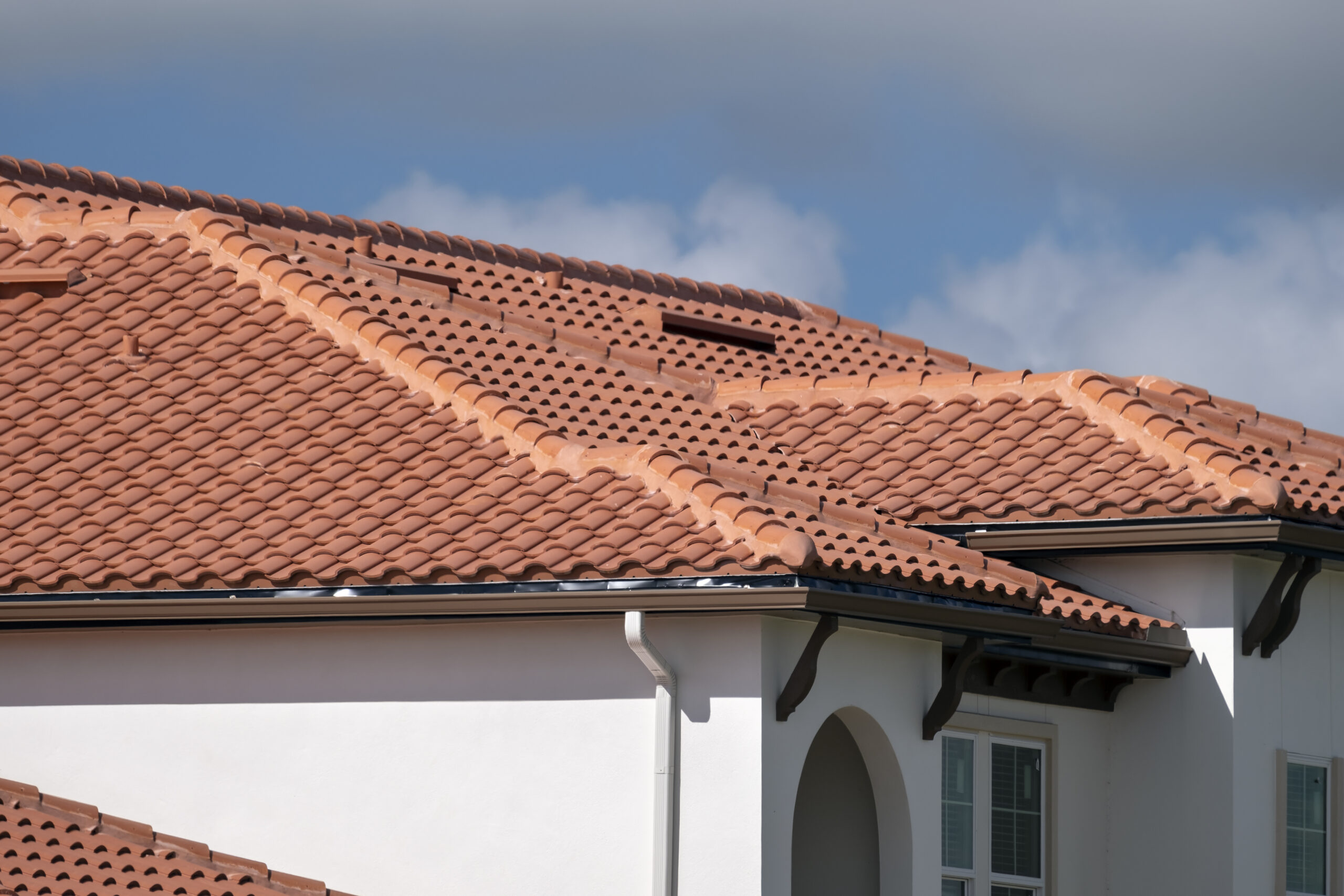
When you think of residential roofing in Phoenix, you often imagine pitched clay tile roofs — and for good reason. But across the Valley, many homes, especially modern or southwestern-style homes, commercial buildings, garages, patios, and additions use flat or low-slope roof systems. These roof designs present unique benefits and challenges in our desert climate. Understanding how they work, what materials work best, and how to maintain them is crucial for protecting your home investment.
In this guide you’ll learn:
- What flat and low-slope roofs are, and how they differ from pitched roofs
- Why they are common in Phoenix and how the climate affects them
- The main types of materials used for flat/low-slope roofs in the Phoenix area
- Key installation and drainage considerations unique to Arizona
- Maintenance tips and warning signs to spot early trouble
- How to choose a contractor and what questions you should ask
What Are Flat and Low-Slope Roofs?
Understanding the Terminology
- A flat roof is generally one with very little pitch — often 1/4” to 2” of rise per foot of run — so it appears nearly horizontal.
- A low-slope roof is slightly pitched (e.g., 2:12 or less), but not steep like standard residential roofs.
In Phoenix, the term “flat roof” is frequently used even when there is a small slope to allow drainage.
Why Use Flat or Low-Slope Roofs?
Flat or low-slope systems offer certain advantages:
- Easier access for maintenance or solar panels
- Simpler architectural lines, especially for modern homes
- Often less expensive in material and labor, depending on design
- Potential for usable rooftop space (e.g., for patios, equipment)
However, they also have unique vulnerabilities, especially in a desert climate like Phoenix’s.
Why Flat & Low-Slope Roofs Are Common in Phoenix — and What the Climate Means
Climate Considerations
Phoenix’s climate features:
- Very low annual rainfall (≈ 7 inches)
- Intense sun and UV exposure
- Large temperature swings between day and night
- Occasional monsoon storms, wind-blown debris, and dust
These conditions affect how flat and low-slope roofs perform:
- Because rainfall is low, roof systems don’t necessarily need deep slopes to shed water — but they must shed it properly when it does rain.
- UV exposure and temperature cycling cause expansion and contraction of materials, which can lead to cracks, blisters, and seam issues.
- Dust, debris, and pooling water are more harmful because they trap heat and accelerate material degradation.
Architectural Styles & Usage in Phoenix
Many southwestern-style homes, mid-century modern builds, and commercial/industrial structures in Phoenix use flat or low-slope roofs. This makes dual knowledge of both residential and commercial flat roofing essential for homeowners.
Flat & Low-Slope Roof Material Options for Phoenix Homes
When selecting a roofing system, material choice has huge implications for lifespan, energy efficiency, maintenance, and cost. Here are the common systems used in the Phoenix area.
Single-Ply Membranes
- TPO (Thermoplastic Polyolefin): Reflective, energy efficient, good UV performance.
- PVC (Polyvinyl Chloride): Durable, good for high UV, chemical resistant.
- EPDM (Ethylene-Propylene Diene Monomer): Rubber-membrane type, used historically but less reflective.
These membranes are well suited to Phoenix when installed with proper slope, drainage, and insulation.
Modified Bitumen & Built-Up Roofing (BUR)
- Modified Bitumen: Layers of asphalt-based materials with added polymers for flexibility and durability.
- Built-Up Roofs: Multiple layers of bitumen and reinforcing, topped with gravel or coating.
These provide solid protection but may require more weight/structure and higher cost.
Spray Polyurethane Foam (SPF) Roofing
A seamless, insulating barrier that can be ideal in hot climates. However, it must be recoated periodically and requires careful installation.
Reflective Coatings
Already installed roofs can often be extended in life and improved in performance by applying reflective silicones or elastomeric coatings that reduce heat gain.
Key Installation & Drainage Considerations for Phoenix
Choosing the right material is just part of the story—proper installation and drainage are critical for long-term success on flat/low-slope roofs.
Slope & Drainage
Even flat roofs need a slight slope or engineered drainage (crickets, tapered insulation) to prevent water ponding — which accelerates failure.
Ensure scuppers, internal drains, gutters, and downspouts are sized and positioned correctly.
Deck Preparation & Underlayment
The roof deck must be sound, clean, and properly prepared. Underlayments match the system and protect against water infiltration.
Flashing & Penetrations
Areas around HVAC units, vents, skylights, and parapet walls require precise flashing, sealants, and counter-flashing. These are common leak points.
Material Compatibility & Thermal Cycles
Given Phoenix’s intense sun and temperature changes, the system must handle expansion/contraction, UV exposure, and minimal maintenance.
Insulation & Energy Efficiency
Modern systems often include insulation, reflective membranes/coatings, and ventilation design to help reduce cooling costs and improve comfort.
Maintenance, Repair, and Early Warning Signs
Flat and low-slope roofs require regular attention. Skipping maintenance is a common reason for early failure in desert climates.
Preventative Maintenance
- Schedule professional inspections at least twice a year — ideally before and after monsoon season.
- Clear debris, check for ponding, ensure drains are clear, inspect flashing and seams.
- Re-coat or apply reflective coatings when needed (typically every 5-10 years).
- Maintain documentation for warranties, future resale, and insurance.
Warning Signs of Trouble
Watch your roof for:
- Ponding water that lasts > 48 hours after rain
- Cracks, blisters, exposed foam or membrane
- Sagging or uneven deck
- Debris buildup blocking drains
- HVAC or solar panel install damage
- Dark spots or water stains on ceilings/attic
- Heat spikes or sagging inside your home
Repair Options
- Spot Repairs: Fix small cracks, tears, or flashings
- Drainage Correction: Add/install slopes, crickets, or extra drains
- Re-Coating: Renew protection, reflectivity, waterproofing layer
- Full Replacement: When material is beyond repair, age is high, or modification is required
How to Choose the Right Contractor in Phoenix
Selecting the right roofing contractor is as important as choosing the right material. Here’s what to check:
Licensed & Insured – Confirm licensing with Arizona ROC and check insurance coverage.
Experience with flat/low-slope roofs specifically
Knowledgeable about Arizona climate and desert challenges
Provides written proposals, material specs, warranty details
Has positive reviews, references, and transparent pricing
Offers regular maintenance programs and inspection documentation
Flat vs. Low-Slope vs. Pitched Roofs — Which is Right for Your Home?
If you’re renovating or building new, you may be deciding between roof styles. Here’s a summary:
| Roof Type | Benefits in Phoenix | Drawbacks |
|---|---|---|
| Flat/Low-Slope | Clean lines, solar friendly, easier access | Requires excellent drainage and maintenance |
| Pitched (Tile/Metal) | Long lifespan, better drainage naturally | Higher initial cost, harder access |
According to regional analysis, flat roofs work well in drier areas like Phoenix if installed correctly and maintained regularly. But they demand more ongoing care.
Final Thoughts & Next Steps
Your roof is one of your home’s most important components—especially in Phoenix’s challenging climate. Flat and low-slope roofs offer many advantages but also carry risks if not properly installed or maintained.
By choosing high-quality materials, ensuring proper drainage, scheduling regular inspections, and working with a contractor who understands Arizona’s unique climate demands, you’ll maximize your roof’s lifespan, energy efficiency, and long-term value.
If you’re ready to inspect your roof, plan repairs or replacement, or simply learn more about your options, contact a trusted local roof specialist. A little proactive care today can save thousands in repairs—and help your home stay cool, dry, and protected for decades.
Ready for a professional roof inspection or consultation in the Phoenix area?
Reach out to us today for a free estimate. Protect your home with the knowledge and service that fits Arizona’s conditions.
The Process of Roof Replacement: What to Expect from Almeida Roofing
When it’s time to replace your roof, knowing what to expect can make the process smoother and far less stressful. At Almeida Roofing, we believe in transparency, communication, and quality craftsmanship—every step of the way. Here’s a look at how a professional roof replacement unfolds and what homeowners across Phoenix can expect when they trust their home to our experienced team.
1. Initial Inspection and Consultation
Every roof replacement begins with a comprehensive inspection. Our team carefully examines your roof’s structure, shingles, flashing, and ventilation to determine the full extent of wear or damage. We then sit down with you to discuss your goals, budget, and design preferences. Whether you’re upgrading to energy-efficient materials or matching a specific aesthetic, our experts help you make the best choice for your home and Arizona’s desert climate.
2. Detailed Estimate and Project Planning
After the inspection, you’ll receive a clear, itemized estimate—no hidden costs or surprise add-ons. We’ll outline the timeline, materials, and what to expect during each phase of your roof replacement. At Almeida Roofing, we pride ourselves on honest communication and realistic scheduling, so you know exactly when work will start and finish.
3. Preparing the Job Site
Before the first shingle is removed, our crew ensures that your property is protected. This includes laying down tarps, safeguarding landscaping, and setting up proper waste disposal. Our goal is to complete your project efficiently while keeping your home clean and safe.
4. Roof Removal and Inspection of the Decking
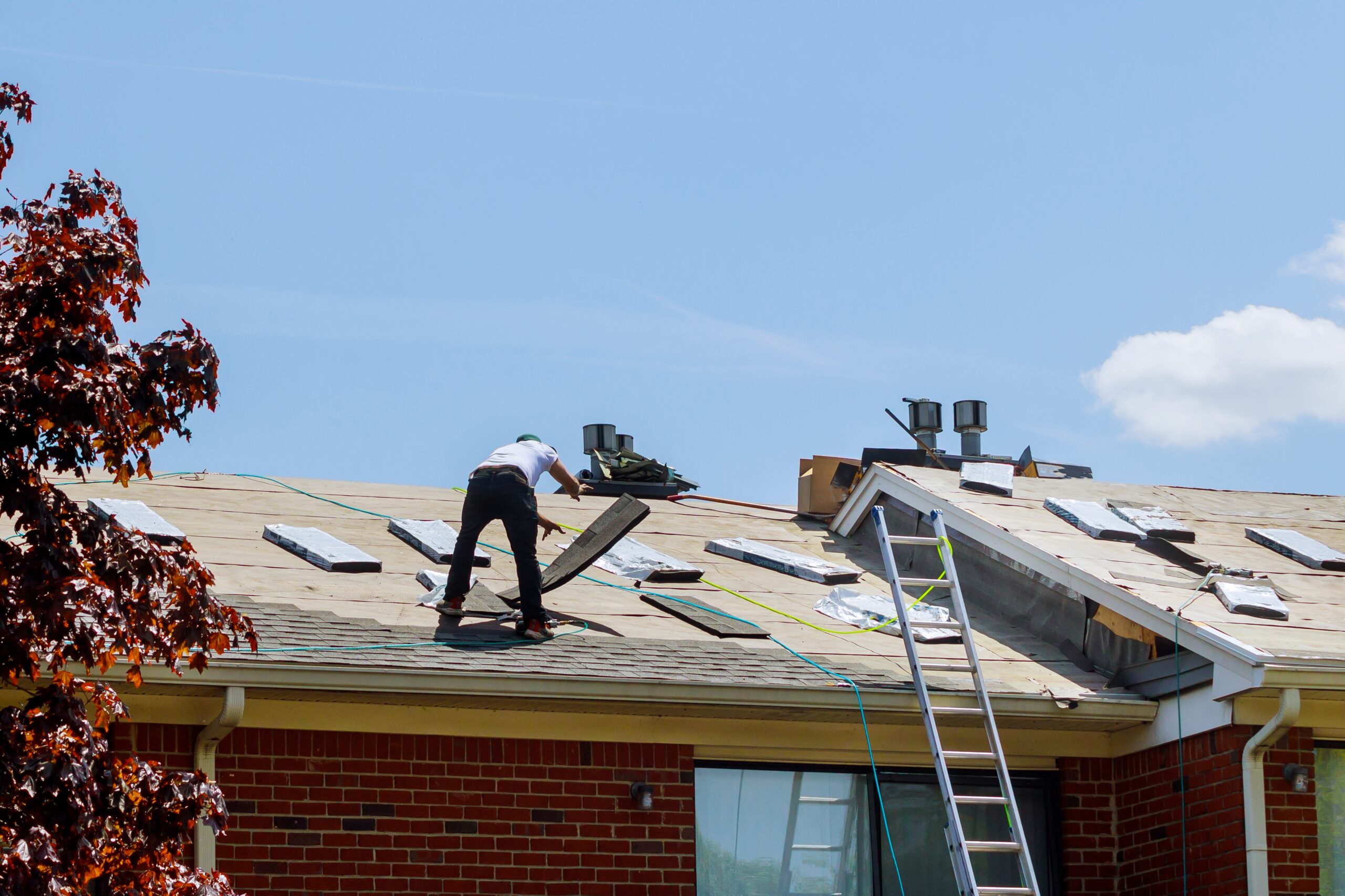
The old roofing materials are carefully stripped away to expose the roof decking, the foundation of your new roof. We inspect this layer for signs of rot or structural weakness. If needed, we make necessary repairs to ensure your new roof has a solid, durable base—because a great roof starts from the bottom up.
5. Installing the New Roofing System
Once the decking is ready, our installers begin the precise process of rebuilding your roof. Underlayment, flashing, and ventilation components are installed to manufacturer specifications to provide proper waterproofing and airflow. Then, the new shingles or tiles are laid in clean, consistent rows for a polished, long-lasting finish.
Almeida Roofing works with top-rated materials designed to withstand the Phoenix heat, monsoon rains, and high winds, ensuring your home remains protected for years to come.
6. Final Inspection and Clean-Up
After installation, we perform a thorough final inspection to confirm that every component meets our quality standards. Our crew cleans up all debris and performs a magnetic sweep to remove nails or materials from your yard. The only thing we leave behind is your beautiful new roof.
7. Warranty and Follow-Up Support
We stand behind our work with comprehensive workmanship and material warranties. Should you ever have a question or concern after installation, our customer support team is ready to help. Your roof is an investment, and we’re committed to protecting it for the long haul.
Why Homeowners in Phoenix Trust Almeida Roofing
For over two decades, homeowners across the Valley have turned to Almeida Roofing for reliable service, exceptional workmanship, and transparent communication. From asphalt shingles to tile and flat roof systems, we handle every project with professionalism and care.
Ready to replace your roof?
Contact Almeida Roofing today to schedule your free inspection and experience a smoother, stress-free roof replacement from start to finish.

How to Spot Early Signs of Roof Damage From Monsoon Winds Phoenix
The Arizona monsoon season is both awe-inspiring and unforgiving. Between the heavy rain, high winds, dust storms, and lightning strikes, your roof takes the brunt of the storm.
While roofs in Phoenix are built to withstand intense heat and harsh weather, monsoon winds can cause hidden damage that may not be immediately visible. Catching those early signs can save you thousands of dollars in repairs and prevent leaks, mold, and structural issues down the road.
In this guide, we’ll break down exactly how to spot early signs of monsoon roof damage, what to do if you suspect issues, and when it’s time to call a professional roofing company in Phoenix for a full inspection.
Why Monsoon Winds Are So Damaging to Phoenix Roofs
Monsoon storms in Arizona usually hit between June and September, bringing bursts of rain and wind speeds that can exceed 60 mph. In some areas, microbursts — powerful downdrafts of air — can reach over 100 mph, strong enough to tear shingles, lift tiles, and loosen flashing.
Unlike the dry desert heat, which causes gradual wear, monsoon winds cause sudden, concentrated damage. They can rip off roofing materials, blow debris into the structure, and create tiny cracks or separations that worsen with each passing storm.
The Main Ways Monsoon Winds Damage Roofs
- Lift and Peeling: High winds can lift shingles or tiles, breaking their seals and exposing the underlayment to rain.
- Flying Debris: Branches, palm fronds, and gravel can strike your roof, causing dents, cracks, or punctures.
- Water Intrusion: Once the outer layer is compromised, water can seep into the decking, insulation, and attic.
- Structural Shifting: Prolonged wind pressure can loosen flashing or edge materials, allowing water to enter around vents, chimneys, and skylights.
The Hidden Danger: Delayed Roof Damage
One of the biggest challenges homeowners face is hidden or delayed storm damage. You might not see immediate leaks or visible damage, but small vulnerabilities left behind by the storm can turn into major repairs weeks or months later.
A few lifted shingles today can become a full leak during the next rain. That’s why early detection is key — the sooner you catch the warning signs, the easier and more affordable the fix will be.
How to Spot Early Signs of Monsoon Wind Damage
Here are the most common early warning signs of roof damage after a Phoenix monsoon storm. You can safely look for many of these from the ground or your attic — but always call a professional for a full inspection if you suspect any damage.
1. Missing, Lifted, or Curled Shingles
Asphalt shingles are designed to lay flat, sealed tightly together to form a protective barrier. After a storm, look for:
- Shingles that appear lifted, bent, or curling upward at the edges.
- Bare patches where shingles have blown away entirely.
- Granules collecting in gutters or on the ground — a sign the surface of your shingles is deteriorating.
Even a single missing shingle can allow water to penetrate the underlayment. This small gap can quickly spread moisture across your roof decking, leading to leaks and rot.
2. Cracked or Slipped Roof Tiles
Tile roofs — common in Phoenix for their heat resistance — are also vulnerable to high winds and flying debris.
Look for:
- Cracked, displaced, or missing tiles after a storm.
- Tiles that appear out of alignment or uneven.
- Chips or breaks near roof edges or valleys, where wind pressure is strongest.
Even if the damage looks minor, a broken tile exposes the waterproof underlayment beneath. Over time, the sun and rain degrade that material, leading to leaks and water damage inside your home.
3. Loose or Damaged Flashing
Flashing — the thin metal installed around chimneys, vents, skylights, and roof valleys — is crucial for directing water off your roof.
During monsoon winds, flashing can loosen, bend, or detach.
Inspect for:
- Flashing that’s lifting, cracked, or missing sealant.
- Rust stains or discoloration around metal edges.
- Damp areas around chimneys, skylights, or attic vents after rainfall.
Flashing damage is one of the leading causes of roof leaks in Phoenix homes after monsoon storms.
4. Water Stains on Ceilings or Walls
After heavy rain, check your ceilings, attic, and upper walls for discoloration.
Look for:
- Brown or yellow stains on drywall.
- Peeling paint or bubbling plaster.
- Musty odors or damp insulation.
These are early signs that water is finding its way past your roof’s protective layers. Don’t ignore even a small spot — by the time a stain appears, water may have already seeped into your insulation or attic framing.
5. Clogged Gutters and Downspouts
During a storm, gutters collect dirt, leaves, and debris blown from surrounding trees. When they clog, water overflows and backs up under roof edges.
Check for:
- Overflowing gutters during rainfall.
- Sagging or detached gutter sections.
- Accumulated mud, leaves, or shingle granules inside the gutters.
Proper drainage is vital to prevent standing water and erosion around your home’s foundation.
6. Interior Drafts or Whistling Sounds
If you notice new drafts or faint whistling sounds during high winds, it could indicate gaps or lifted sections of your roof. These small openings let air (and later, water) inside, slowly eroding the materials.
7. Roof Debris After a Storm
Check the ground around your home after monsoon winds pass. If you find shingles, tile pieces, flashing, or nails scattered around, it’s a strong indication of roof damage above.
8. Damaged Roof Vents or Skylights
Skylights and vents are especially vulnerable to wind and hail impact. After a storm, look for:
- Cracked skylight glass or broken seals.
- Loose or dented vents.
- Rust or corrosion around vent bases.
Even small gaps can allow rainwater to enter and damage your ceiling insulation or drywall.
9. Sagging Roof Line or Uneven Sections
A sagging or uneven roof line can indicate serious structural issues. If parts of your roof look warped or lower than others, moisture may have penetrated the decking, causing it to weaken.
This issue requires immediate professional attention to prevent collapse or major structural repairs.
Post-Storm Checklist for Phoenix Homeowners
After every major monsoon, take a few minutes to walk around your property and inspect for signs of damage. Use this quick checklist:
- Walk your home’s perimeter and look for visible roof damage or debris.
- Check inside for water stains, leaks, or musty smells.
- Inspect gutters and downspouts for blockages or overflowing water.
- Take clear photos of any visible damage (helpful for insurance claims).
- Call a licensed Phoenix roofing company for a professional inspection.
Why Professional Roof Inspections Are Essential After Monsoon Season
Some roof damage isn’t visible from the ground. Professional roofers use specialized equipment, such as drones or infrared scanners, to identify leaks and weaknesses invisible to the naked eye.
A professional inspection will:
- Detect hidden leaks before they cause interior damage.
- Evaluate underlayment and flashing integrity.
- Ensure ventilation systems and sealants are secure.
- Provide documentation for insurance claims.
After inspection, you’ll receive a detailed report outlining any recommended repairs or maintenance to extend the lifespan of your roof.
Common Roof Types in Phoenix and How They Handle Monsoon Winds
Tile Roofs
Durable and heat-resistant, tile roofs are common in Phoenix but can be brittle. High winds can crack tiles or lift ridge caps, leading to slow leaks.
Asphalt Shingle Roofs
Shingle roofs are affordable and versatile but are more prone to wind uplift and granule loss. If you see bald spots or missing shingles, schedule a repair immediately.
Foam Roofs (Spray Polyurethane Foam)
Foam roofs provide great insulation and seamless protection, but they need regular coating maintenance. Wind-driven debris can puncture the surface if it’s aged or uncoated.
Flat Roofs (Modified Bitumen or TPO)
Flat roofs are especially vulnerable to ponding water after heavy rain. If you notice standing water or blistering, call a roofer right away to prevent leaks.
Preventative Maintenance Before Monsoon Season
The best time to protect your roof is before the storms hit. Here are a few preventive measures Phoenix homeowners can take:
- Schedule a Pre-Monsoon Inspection: A quick professional check can identify weak spots or loose tiles before the first storm.
- Clean Gutters and Drains: Ensure proper drainage to prevent water backup.
- Trim Trees Near the Roofline: Remove overhanging branches that could break off during high winds.
- Secure Roof Fixtures: Check that solar panels, vents, and skylights are properly sealed.
- Inspect Flashing and Sealant: Reinforce areas around chimneys and vents.
- Check Attic Ventilation: Proper airflow prevents moisture buildup and extends roof life.
What to Do If You Suspect Roof Damage
If you notice any of the warning signs above after a storm, don’t wait. Roof damage only gets worse with time — especially under Phoenix’s intense sun and follow-up storms.
Here’s what to do:
- Document Everything: Take photos and videos of visible damage.
- Avoid Climbing on the Roof: It can be slippery and dangerous, especially after rain.
- Call a Local Roofing Expert: A certified roofer can inspect safely and provide a written estimate.
- Contact Your Insurance Company: Many homeowners’ policies cover storm-related roof damage.
- Schedule Repairs Quickly: Prompt repairs prevent further leaks and mold growth.
Why Choose a Local Phoenix Roofing Company
When it comes to monsoon damage, local experience matters. Phoenix roofers understand the unique challenges of our desert climate — from scorching summer heat to sudden microbursts and dust storms.
A trusted local roofing company can:
- Respond quickly during monsoon season.
- Recommend materials that perform best in the Valley’s conditions.
- Work directly with insurance adjusters on storm claims.
- Provide long-term warranties and maintenance plans.
How Regular Maintenance Can Save You Thousands
Preventative roof maintenance is like an insurance policy for your home. Regular inspections and upkeep can extend your roof’s lifespan by 5–10 years and prevent small issues from becoming full replacements.
By catching problems early, you’ll:
- Avoid costly interior repairs from leaks.
- Protect your home’s energy efficiency.
- Maintain your roof’s warranty and insurance coverage.
Most Phoenix homeowners benefit from two inspections per year — one before monsoon season and another after.
Final Thoughts
Your roof is your home’s first line of defense against the powerful forces of Arizona’s monsoon season. Even the toughest materials can weaken under months of wind, dust, and rain.
Knowing how to spot early signs of roof damage — and acting quickly when you do — is the key to protecting your home and avoiding expensive repairs later.
Whether you have cracked tiles, missing shingles, or just want peace of mind after a big storm, the safest option is to call a licensed Phoenix roofing company for a professional inspection.
A short appointment today can save you thousands tomorrow — and ensure your roof stays strong for many monsoons to come.
Need a Roof Inspection After a Monsoon Storm?
Schedule your free roof inspection today and let our certified Phoenix roofing experts make sure your home is protected from the next round of desert storms.

Roof Maintenance Checklist: Yearly Tasks for Homeowners in Phoenix
Your roof is one of the hardest-working parts of your home. It shields your family from the relentless Arizona sun, protects against dust storms, and endures sudden bursts of monsoon rain — all while helping maintain energy efficiency in your home.
But even the toughest roofs need care. Regular maintenance can significantly extend your roof’s lifespan, save thousands on costly repairs, and help you spot small issues before they become major headaches.
Whether your home is in Phoenix, Glendale, Mesa, Chandler, or Surprise, this yearly roof maintenance checklist will help you stay ahead of the elements and keep your home protected through every season.
Why Roof Maintenance Matters in Phoenix
Phoenix’s climate poses unique challenges to roofing systems. Between intense summer heat, UV exposure, and monsoon season storms, your roof faces some of the harshest conditions in the country.
Here’s why regular maintenance is critical for Valley homeowners:
- Extreme Heat: Temperatures regularly climb above 110°F, causing roofing materials to expand and contract, leading to cracks, brittleness, and premature aging.
- Dust Storms: Monsoon season brings dust and debris that can clog gutters, damage shingles, and cause granule loss.
- Heavy Rain & Wind: Sudden storms can lift shingles or tiles and expose underlayment.
- Desert Wildlife & Vegetation: Birds, rodents, and even small cactus debris can create unexpected roof problems.
Regular inspections and cleaning can minimize damage, maintain your roof’s integrity, and ensure your home is ready for every season.
The Ultimate Roof Maintenance Checklist for Phoenix Homeowners
Below is a comprehensive, season-by-season guide to keeping your roof in top shape all year long.
1. Inspect Your Roof at Least Twice a Year
A professional inspection in spring and fall helps catch issues early — after the winter chill and before monsoon season hits.
During an inspection, you (or a licensed roofer) should check for:
- Cracked, curled, or missing shingles or tiles
- Discoloration, dark spots, or algae growth
- Rust on flashing or vents
- Sagging or uneven sections
- Debris buildup in valleys or around chimneys
If you’re uncomfortable climbing onto your roof, use binoculars from the ground — or better yet, schedule a professional inspection.
2. Clean Debris Regularly
Windstorms and dust devils can carry debris that piles up on flat or low-slope roofs — especially common in Phoenix neighborhoods with tile or foam roofs.
Remove leaves, branches, and dirt buildup from:
- Roof valleys
- Around chimneys or skylights
- Drainage systems and scuppers
- Roof edges
Leaving debris in place traps moisture and encourages mold, rot, and pest infestation.
3. Check and Clean Gutters and Downspouts
It might seem minor, but clogged gutters are one of the leading causes of roof water damage. In Phoenix, where dust and desert debris are common, gutters can clog quickly — especially after summer storms.
Once or twice a year, clean your gutters and downspouts to ensure water flows freely.
Look for:
- Loose fasteners or sagging sections
- Rust or holes in metal gutters
- Cracks or separations in PVC downspouts
Consider installing gutter guards to prevent debris buildup if your home is near trees or exposed to frequent dust storms.
4. Inspect Flashing and Seals Around Penetrations
Flashing and sealant are your roof’s last line of defense against leaks — particularly around chimneys, skylights, and vent pipes.
Check for:
- Rusted or lifted flashing
- Cracked or dried-out sealant
- Gaps or separation between flashing and roofing materials
If you see any damage, have a roofer reseal or replace those components immediately to prevent leaks from forming.
5. Examine Roof Tiles or Shingles
The type of roof you have determines what to look for:
- Tile Roofs: Look for cracked, broken, or slipped tiles. Phoenix homes often use clay or concrete tiles, which are durable but can shift or fracture under extreme heat or impact.
- Asphalt Shingle Roofs: Check for missing shingles, granule loss (bare spots), or curling edges.
- Foam Roofs: Inspect for blisters, punctures, or worn-down coating. Foam roofs are popular in Phoenix for their insulation benefits but need periodic recoating every 5–10 years.
Even small issues should be addressed quickly — Arizona’s UV rays can turn a minor crack into a major leak in a matter of weeks.
6. Inspect Roof Ventilation and Attic Airflow
Proper ventilation is critical in Arizona’s climate. Without it, heat and moisture can build up in your attic, warping decking and reducing the lifespan of your roof.
Check that:
- All attic vents are unobstructed and clean.
- Insulation is intact and not blocking vents.
- You can feel airflow when the wind blows or the attic fan runs.
If your attic feels excessively hot, a roofer can help evaluate whether your ventilation system needs improvement — often through ridge vents or solar attic fans.
7. Watch for Signs of Leaks Indoors
Not all roof damage is visible from the outside. Regularly check the inside of your home, especially ceilings and attic spaces, for signs of leaks.
Look for:
- Water stains or dark spots on ceilings or walls
- Peeling paint or bubbling drywall
- Damp insulation
- A musty odor in the attic
Even small leaks can lead to serious structural damage and mold growth if ignored. If you spot any of these issues, call a roofing professional immediately.
8. Trim Overhanging Trees
While Phoenix doesn’t have dense tree coverage like other regions, homes in older neighborhoods or near canals often have large trees like mesquite, palo verde, or pine.
Branches that hang over your roof can scratch shingles or tiles, drop debris, or even break off during a storm. Trim branches at least six feet away from your roof to minimize damage.
9. Check Skylights and Solar Panels
If your home has skylights or solar panels, these features require special attention during your yearly maintenance routine.
- Skylights: Check for cracks, cloudiness, or damaged seals around the flashing.
- Solar Panels: Ensure mounting brackets are secure and no debris or standing water collects beneath them.
It’s best to have your roofing company coordinate with a solar technician if any issues are found.
10. Schedule a Professional Roof Inspection After Monsoon Season
Monsoon storms can bring heavy wind, hail, and sudden downpours. Even if you don’t see visible damage, it’s wise to have a post-monsoon roof inspection each year.
Professional roofers can identify subtle issues like lifted tiles, small punctures, or early signs of leaks that might not be visible from the ground.
Roof Maintenance Tips by Season in the Phoenix Area
Spring: Prepare for Heat
- Inspect for winter wear (cracks, brittle sealant).
- Clear debris and dust buildup from the roof and gutters.
- Schedule any needed repairs before triple-digit temperatures arrive.
Summer: Protect Against the Sun
- Check for UV damage or fading materials.
- Inspect roof coatings on foam or flat roofs for signs of wear.
- Trim trees before monsoon season to prevent branches from breaking onto the roof.
Fall: Recover from Monsoon Season
- Inspect for leaks or damaged tiles after storms.
- Clear gutters and roof valleys of debris.
- Reapply sealant if necessary to prepare for cooler temperatures.
Winter: Prevent Water Damage
- Check flashing and sealants for cracks that could worsen in cold overnight temps.
- Inspect attic insulation and ventilation for energy efficiency.
- Schedule professional maintenance to prepare for spring.
Extend Your Roof’s Life with Preventive Care
The average lifespan of a roof in Phoenix varies by material:
- Asphalt shingles: 15–20 years
- Tile roofs: 30–50 years
- Foam or flat roofs: 25–35 years (with recoating every 5–10 years)
With consistent maintenance and professional inspections, you can easily extend these lifespans — sometimes by a decade or more.
Preventive maintenance is always more affordable than emergency repair or replacement. Spending a few hundred dollars a year on inspections can save you thousands in major repairs later.
Common Roof Problems in the Phoenix Area
Here are a few issues we frequently see during inspections across the Valley:
- Cracked Underlayment: Tile roofs often hide underlayment damage that leads to leaks years later.
- Loose or Missing Flashing: Wind and heat expansion loosen the metal around vents and chimneys.
- Heat Blisters on Foam Roofs: Caused by trapped air or water vapor expanding under intense heat.
- Popped Nails or Lifted Shingles: Common after windstorms.
- UV Damage: Prolonged sun exposure dries out sealants and weakens surfaces.
Catching these issues early through annual maintenance prevents costly interior repairs and extends the life of your entire roofing system.
Professional vs. DIY Roof Maintenance
While basic visual inspections and debris removal can be done by homeowners, some roof maintenance tasks are best left to professionals.
Professional roofers have the tools, safety gear, and experience to detect hidden damage and perform precise repairs without risking injury or voiding warranties.
You should call a licensed roofer for:
- Annual or post-storm inspections
- Replacing damaged shingles or tiles
- Resealing flashing or skylights
- Foam recoating and waterproofing
- Leak detection and repair
A reputable Phoenix roofing company will also document your maintenance history, which is helpful for insurance claims or when selling your home.
When to Consider Roof Replacement
Even with consistent maintenance, every roof eventually reaches the end of its lifespan. You might need a replacement if you notice:
- Frequent leaks or repeated repairs
- Visible sagging or major water damage
- Shingle granules in gutters
- Cracked or broken tiles across large areas
- Rising energy bills due to poor insulation
Your roofer can help determine whether a full replacement or a partial re-roof makes the most sense for your situation.
Protecting Your Roof Investment in Phoenix
Your roof is more than a structural feature — it’s an investment in your home’s safety, comfort, and value. In a climate as extreme as Phoenix, that investment deserves consistent care.
By following this yearly roof maintenance checklist — and working with an experienced local roofing company — you can keep your home secure, energy-efficient, and ready for the Valley’s toughest weather.
Schedule Your Roof Inspection Today
Don’t wait for the next dust storm or monsoon to test your roof’s strength. Stay proactive with an annual inspection and maintenance plan tailored to your home and roof type.
Protect your home, extend your roof’s life, and enjoy peace of mind — rain or shine. Contact us today to get started!

What Homebuyers in the Phoenix Area Should Know About Roof Condition Before Purchasing a Home
Buying a home in the Phoenix area is one of the biggest investments you’ll ever make. Between the excitement of finding your dream property and the stress of the inspection process, it’s easy to overlook one critical detail that can cost you thousands down the road — the condition of the roof.
In Arizona’s desert climate, a roof doesn’t just provide shelter — it’s your first line of defense against extreme heat, heavy monsoon rains, dust storms, and UV damage. A roof that looks fine from the ground could be hiding problems that lead to leaks, mold, or costly replacements once you move in.
Before you sign those closing papers, take the time to understand what you’re getting into. Here’s what homebuyers in Phoenix, Scottsdale, Chandler, Gilbert, and the greater Valley area should know about assessing a roof’s condition before purchasing a home.
Why Roof Condition Matters in Phoenix
Roofs in Arizona take more abuse than almost anywhere else in the country. The desert climate is beautiful — but it’s also brutal.
Here’s what your roof faces every year:
- Intense sun exposure: Phoenix averages over 300 days of sunshine annually, and UV rays can dry out and crack roofing materials faster than in cooler climates.
- Extreme temperatures: Roof surfaces can exceed 150°F in summer, then cool drastically at night, leading to expansion and contraction that weakens materials.
- Monsoon storms: Heavy rainfall, strong winds, and flying debris can loosen tiles, tear shingles, and damage flashing.
- Dust and sand: Fine desert dust can collect in gutters, valleys, and vents, leading to clogs and drainage issues.
Because of these factors, a Phoenix roof’s lifespan is often shorter than the same roof in a milder climate — and that’s exactly why due diligence is so important when buying a home here.
Common Roof Types in Phoenix and What to Look For
Different homes across the Valley have different roofing materials — each with its own strengths, weaknesses, and signs of aging. Knowing what type of roof a home has can help you ask the right questions during inspection.
1. Tile Roofs (Clay or Concrete)
Tile roofs are extremely popular in Phoenix for their durability and heat resistance. A well-maintained tile roof can last 30–50 years — but only if installed properly.
What to watch for:
- Broken, cracked, or missing tiles (often caused by walking on the roof or storm debris).
- Displaced tiles near roof edges or valleys.
- Water stains in the attic or ceilings (a sign the underlayment is failing).
- Evidence of aging or brittle underlayment — most underlayments last 15–25 years, even if the tiles themselves look fine.
Pro tip: The tiles protect the roof aesthetically, but the underlayment is what keeps your home watertight. Replacing underlayment on a tile roof can cost several thousand dollars — so it’s worth knowing its condition before closing.
2. Asphalt Shingle Roofs
Many starter homes and newer builds in Phoenix feature asphalt shingle roofs because they’re affordable and relatively easy to install. But heat is their biggest enemy.
What to watch for:
- Shingles that are curling, cracking, or discolored.
- Missing shingles or visible bald spots where granules have worn away.
- Soft spots or sagging areas that may indicate rotting plywood below.
- Signs of poor ventilation (excessive heat buildup in the attic).
In Phoenix’s climate, a shingle roof may only last 15–20 years, compared to 25–30 years in cooler regions. If the roof is nearing that age, factor replacement costs into your offer.
3. Foam Roofing (Sprayed Polyurethane Foam, or SPF)
Flat and low-slope roofs — common in Phoenix townhomes and mid-century modern homes — often use foam roofing. When properly applied and maintained, foam roofs are durable and energy-efficient.
What to watch for:
- Cracks, blistering, or exposed foam (it should always be coated).
- Ponding water after rain, which can weaken the foam and lead to leaks.
- Signs of poor re-coating — foam roofs need new protective coating every 5–10 years.
If the foam is in good shape and re-coated regularly, it can last 20–30 years. But if neglected, repairs can become extensive — and costly.
4. Flat Roofs with Modified Bitumen or Built-Up Roofing (BUR)
Flat roofs are another common sight in Phoenix, particularly on commercial buildings and older homes.
What to watch for:
- Cracks, blisters, or seams separating.
- Evidence of standing water after monsoon rains.
- Discoloration or soft spots that may indicate leaks.
Flat roofs require consistent maintenance — if you’re buying a home with one, make sure you know the last time it was professionally inspected or resurfaced.
How to Assess Roof Condition Before You Buy
Even if you’re not a roofing expert, you can still look for telltale signs that may indicate a roof’s condition before making an offer.
Here’s a step-by-step guide:
1. Check the Seller’s Disclosure
In Arizona, sellers are required to disclose known roof leaks or repairs. Review the SPDS (Seller’s Property Disclosure Statement) carefully. Look for mentions of recent leaks, repairs, or replacements.
If the seller replaced the roof recently, ask for the paperwork — including warranties and the contractor’s information.
2. Look at the Roof from the Ground
Walk around the property and look for:
- Missing or uneven tiles/shingles.
- Sagging or dipping areas.
- Rusted flashing or exposed nails.
- Overflowing or clogged gutters (a sign of poor maintenance).
You don’t need to climb up — just keep your eyes open for anything that seems off.
3. Ask About Roof Age and Maintenance
Roof materials all have different lifespans, and the age of the roof is one of the most important factors to consider.
If a roof is more than 20 years old (or if the underlayment hasn’t been replaced on a tile roof), plan for potential repairs or replacement soon. Ask when the last inspection or maintenance took place — consistent upkeep is a good indicator of a healthy roof.
4. Review the Home Inspection Report
A general home inspector will typically note visible roofing issues, but they may not provide a full picture of its condition. They’ll flag issues like damaged flashing, missing tiles, or visible leaks — but not necessarily the state of the underlayment or roof structure.
5. Get a Roof Inspection from a Licensed Roofing Company
This step is essential for Arizona homebuyers. A roofing professional can do what a general inspector can’t — climb onto the roof, inspect underlayment, check flashing and penetrations, and provide a full report with photos.
They can also estimate the remaining life expectancy of the roof, identify past repairs, and recommend whether you should request seller credits or plan for replacement.
A pre-purchase roof inspection in Phoenix typically costs a few hundred dollars — a small price compared to the thousands it can save you in unexpected repairs.
Common Roof Issues Found During Phoenix Home Inspections
Even homes that look pristine can have hidden roofing problems. Some of the most common issues inspectors find in Phoenix include:
- Cracked or missing tiles from monsoon storms or foot traffic.
- Deteriorated underlayment allowing water intrusion under tile roofs.
- Heat damage to asphalt shingles (curling or blistering).
- Improper flashing installation around vents, chimneys, or skylights.
- Ponding water on flat or foam roofs.
- Previous poor-quality repairs or patch jobs that don’t meet code.
- Damaged fascia or soffits due to water runoff.
Catching these issues early can help you negotiate with the seller or budget for repairs after closing.
How Roof Condition Affects Your Home Purchase
Negotiating Power
If your inspection reveals significant roofing issues, you may be able to negotiate a price reduction, seller credit, or request that the seller complete repairs before closing.
Insurance Considerations
Some insurers may refuse to cover older or damaged roofs, or they might require repairs before issuing a policy. It’s best to know the roof’s age and condition before finalizing your insurance coverage.
🧾 Loan and Appraisal Impacts
Mortgage lenders often require that a home’s major systems — including the roof — be in acceptable condition. A failing roof can delay closing or lower the appraised value of the property.
When Should You Walk Away?
While many roofing problems can be repaired, there are times when replacing the roof is the only option.
You may want to reconsider your purchase if:
- The roof is nearing the end of its lifespan and replacement costs exceed your budget.
- There’s widespread structural damage or evidence of chronic leaks.
- The seller refuses to address significant roof issues after inspection.
A trustworthy roofing contractor can help you determine whether the roof is repairable or if it’s a deal-breaker.
Tips for Buying a Home with Confidence
- Always get a roof inspection before closing — especially on older homes.
- Review warranties and confirm if they transfer to the new owner.
- Check attic spaces for signs of leaks or water damage.
- Confirm that repairs were done by licensed contractors (not DIY fixes).
- Ask about ventilation — a well-ventilated roof lasts longer in Phoenix heat.
- Budget for maintenance — even a good roof needs periodic care to stay strong.
How a Phoenix Roofing Company Can Help
Working with a local roofing company before you purchase a home gives you peace of mind. Local professionals understand Arizona’s unique roofing materials, weather challenges, and building codes.
A qualified Phoenix roofer can:
- Conduct pre-purchase roof inspections.
- Provide written repair or replacement estimates.
- Verify warranty coverage.
- Offer honest, expert guidance about the roof’s condition.
Whether you’re buying in downtown Phoenix, Queen Creek, or Cave Creek, having a roofing expert on your side ensures that your investment is protected — and that you won’t face costly surprises after move-in.
Final Thoughts
A home’s roof may not be the most glamorous part of your purchase, but it’s one of the most important. In the Phoenix area, where extreme weather puts roofs to the test, understanding its condition before you buy is critical.
By taking time to inspect, ask questions, and consult a trusted roofing professional, you can make an informed decision — one that protects your home, your finances, and your peace of mind for years to come.
Ready to schedule a pre-purchase roof inspection in Phoenix?
Our team of certified roofing experts provides honest assessments, detailed reports, and quality repairs across the Valley.Contact us today or request an inspection to make sure your next home’s roof is ready for Arizona’s toughest weather.
Why Flat Roofs Fail in Arizona and How Proactive Maintenance Can Help
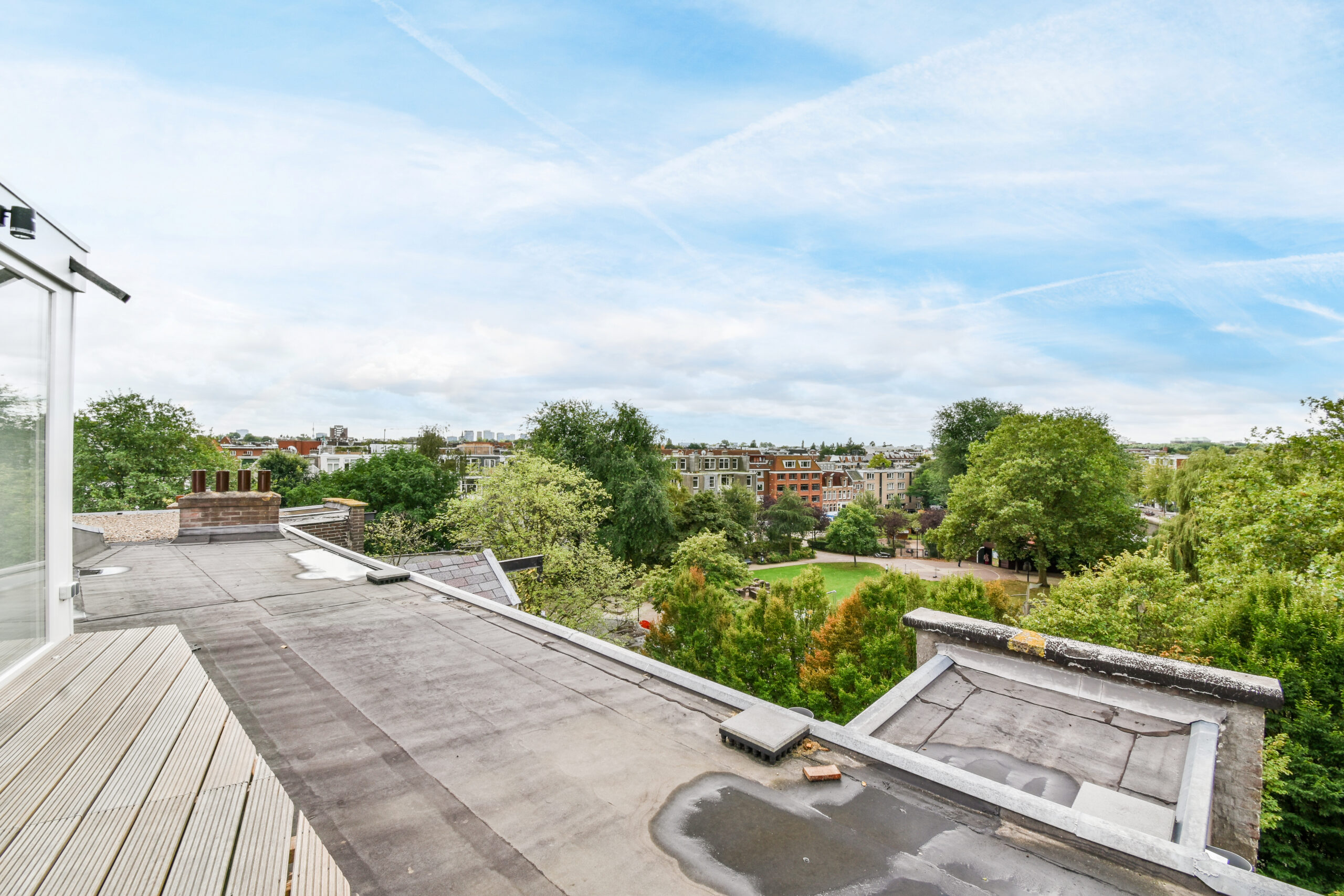
In the heart of the Arizona Desert, Phoenix homeowners and business owners depend on their roofs to withstand some of the harshest conditions in the country—scorching summer heat, sudden monsoon storms, and relentless UV exposure. For many properties, flat roofs are the go-to choice because of their modern look, affordability, and efficiency.
However, while flat roofs work well in Arizona’s dry climate, they’re also uniquely vulnerable when maintenance is neglected. Over time, small issues—like ponding water, cracks in the membrane, or poor drainage—can turn into major problems, leading to leaks, interior damage, and costly repairs.
This guide explains why flat roofs fail in Arizona, the warning signs you should never ignore, and how proactive roof maintenance can extend your roof’s life, prevent expensive damage, and save you thousands in the long run.
The Arizona Climate: A Roof’s Greatest Challenge
Phoenix isn’t an easy place for any roofing material to survive. Our extreme weather patterns create the perfect storm for roof deterioration. Understanding how Arizona’s environment affects flat roofs helps explain why so many eventually fail.
1. Extreme Heat & UV Exposure
In summer, rooftop temperatures in Phoenix can soar past 180°F. Constant exposure to sunlight and heat causes roofing materials to expand, contract, and gradually lose their flexibility. This thermal stress leads to cracking, blistering, and splitting—especially in older materials like modified bitumen or asphalt coatings.
UV rays also break down protective coatings, leaving membranes brittle and more prone to leaks. Once cracks appear, the sun accelerates the damage by drying out adhesives and sealants, creating a vicious cycle of deterioration.
2. Monsoon Season & Sudden Rainfall
Phoenix’s monsoon storms are fast, intense, and unforgiving. Heavy downpours can dump inches of rain in just a few hours. Flat roofs, by design, have minimal slope—so if drainage systems aren’t functioning properly, ponding waterdevelops.
Standing water is one of the top causes of flat-roof failure. It increases the weight load, weakens membranes, and eventually finds its way through seams, vents, or cracks. Even small areas of standing water can cause long-term rot and mold in the roof deck.
3. High Winds & Dust Storms
Powerful haboobs and desert winds create another challenge. They can lift poorly adhered membranes, loosen flashing, and drive dirt into vulnerable seams. Once dust and debris accumulate in drains or scuppers, water can no longer flow freely, which leads to ponding and leaks.
4. Temperature Fluctuations
Arizona’s desert climate brings scorching days and cool nights—often a swing of 40 degrees or more within hours. These constant temperature fluctuations cause roofing materials to expand and contract, stressing seams and adhesives. Over time, this repetitive movement leads to surface cracking and seam separation, opening pathways for moisture to enter.
Common Causes of Flat Roof Failure in Phoenix
Beyond the weather, several practical and structural issues contribute to premature roof failure. Understanding these can help homeowners and property managers know what to watch for and when to call a professional.
1. Poor Installation
A flat roof is only as strong as its installation. If the original roofing contractor cut corners or didn’t follow manufacturer specifications, problems can appear within just a few years. Common installation issues include:
- Insufficient slope for proper drainage
- Poorly sealed seams or flashings
- Inadequate insulation or vapor barriers
- Improperly installed drains or scuppers
In Phoenix, where roofs endure intense heat and heavy rainfall, these flaws can quickly shorten a roof’s lifespan.
2. Lack of Maintenance
Flat roofs require regular maintenance—especially in a desert climate. Dust, leaves, and debris can clog drains and create pooling water. Without routine inspections, small punctures, cracks, or worn-out sealant can go unnoticed until they lead to major leaks.
3. Ponding Water
Even minor standing water after a rainstorm should be addressed immediately. Ponding accelerates membrane deterioration, attracts algae and mold, and adds unnecessary weight to your roof structure. Persistent ponding is a sign of improper drainage or sagging insulation.
4. Punctures & Foot Traffic
Flat roofs often double as access points for HVAC maintenance, satellite installations, and even recreational space. Unfortunately, every step across the roof increases the risk of punctures or compression damage—especially on single-ply systems like TPO or PVC.
5. Aging Materials
Most flat roofs have a lifespan of 15–25 years, depending on the material. As they age, protective coatings dry out, seams loosen, and membranes lose elasticity. Without re-coating or repair, small cracks eventually lead to leaks and costly water damage.
The Warning Signs of a Failing Flat Roof
Catching problems early is key to preventing expensive repairs. Here are the most common warning signs that your flat roof may be failing:
- Water stains on ceilings or walls inside the building
- Visible cracks, bubbles, or blisters on the roof surface
- Ponding water that doesn’t evaporate within 48 hours
- Loose or lifting flashing around edges, vents, or skylights
- Mold, mildew, or foul odors inside the property
- Higher energy bills due to loss of roof insulation
- Sagging or soft spots when walking on the roof
If you notice any of these issues, contact a licensed Phoenix roofing company for an inspection before the next monsoon hits.
The Cost of Ignoring Roof Maintenance
Many property owners assume that because a flat roof looks fine from the ground, it’s fine overall. Unfortunately, roof problems often start beneath the surface. What begins as a $300 repair can quickly become a $10,000 replacement if left unchecked.
Ignoring maintenance can lead to:
- Structural damage from long-term leaks
- Mold and mildew growth inside walls or insulation
- Shortened lifespan of roofing materials
- Damage to HVAC units, ceilings, or electrical systems
- Voided manufacturer warranties due to neglect
In short, neglect is expensive. The harsh Phoenix climate demands a proactive approach to roof care.
How Proactive Maintenance Prevents Flat Roof Failure
Regular inspections and preventative care are the best ways to extend your roof’s life and avoid emergency repairs. Here’s how proactive maintenance protects your investment:
1. Routine Inspections
Schedule professional roof inspections twice per year—typically once before monsoon season (spring) and once after (fall). These inspections allow roofers to identify early signs of wear, damage, or ponding before they turn into leaks.
A thorough inspection includes:
- Checking all flashings, seams, and penetrations
- Clearing drains, scuppers, and gutters
- Looking for cracks, punctures, or soft areas
- Evaluating sealant and coating integrity
Many reputable Phoenix roofing companies offer maintenance plans that include regular inspections and small repairs bundled together—an affordable way to keep your roof in top condition.
2. Cleaning & Debris Removal
Desert winds deposit sand, leaves, and debris that block drains and hold moisture. Keeping your roof surface clean ensures proper water flow and prevents premature deterioration.
After major storms, it’s wise to schedule a quick cleaning or inspection to remove debris and check for punctures.
3. Sealant & Coating Renewal
Flat roofs often rely on protective coatings to reflect UV rays and seal small imperfections. Over time, these coatings wear away. Reapplying reflective roof coatings every few years can:
- Extend your roof’s lifespan by 5–10 years
- Reduce heat absorption and lower cooling costs
- Prevent cracking and premature aging
In Phoenix, elastomeric or silicone coatings are especially effective at resisting UV damage and thermal expansion.
4. Drainage Maintenance
Proper drainage is the backbone of a healthy flat roof. Ensure all drains, scuppers, and downspouts are clear year-round. Pooling water should never linger more than 48 hours after rain.
If ponding persists, your roofing professional may recommend adding tapered insulation or adjusting slope design to promote faster runoff.
5. Prompt Repairs
Even minor leaks should never wait. A small tear in the membrane can spread quickly in extreme heat or under standing water. Immediate repairs prevent water intrusion, preserve insulation, and maintain warranty coverage.
The Role of Roof Coatings in Arizona’s Climate
Many Phoenix property owners choose to recoat their flat roofs instead of replacing them outright. Roof coatings are an excellent proactive measure—especially when the existing membrane is still in good condition.
Popular coating options include:
- Silicone Coatings: Best for UV resistance and ponding water protection.
- Acrylic Coatings: Affordable and reflective, ideal for white “cool roof” systems.
- Polyurethane Coatings: Tough and durable, great for roofs with heavy foot traffic.
A professional roofer can inspect your existing roof and determine whether a re-coat is viable or if replacement is necessary.
Commercial Flat Roof Maintenance in Phoenix
Flat roofs are especially common on commercial buildings throughout the Valley. Proactive maintenance is critical in protecting inventory, tenants, and daily operations.
A comprehensive commercial roof maintenance program includes:
- Biannual inspections and reports
- Immediate leak response and patching
- Annual cleaning and debris removal
- Scheduled re-coating or sealant application
- Drain and scupper maintenance
Many business owners see this as an added expense, but in reality, maintenance plans are a form of insurance—helping avoid downtime and major structural repairs down the road.
Residential Flat Roof Care for Phoenix Homes
Flat and low-slope roofs are also common on mid-century modern homes, townhouses, and newer Southwest-style builds. Homeowners should be especially cautious after storms or extended heatwaves.
Simple proactive steps include:
- Checking ceilings and attics for damp spots after monsoons
- Keeping trees trimmed to prevent debris accumulation
- Scheduling annual inspections with a licensed roofer
- Considering reflective coatings to reduce cooling costs
These small efforts can easily add 5–10 years of life to your roof.
How Often Should You Inspect or Service a Flat Roof?
In Phoenix’s extreme desert environment, roofing experts recommend:
- Routine inspections: Every 6 months (spring and fall)
- After major weather events: Following heavy rain, hail, or high winds
- Coating maintenance: Every 3–5 years, depending on product type
- Full replacement: Typically every 20–25 years with proper upkeep
Keeping a digital log of inspections, photos, and repairs also helps when filing insurance claims or selling your property.
Choosing the Right Roofing Company in Phoenix
Flat roofs demand experience and precision. When hiring a roofer, look for:
- Local expertise – Familiarity with Arizona’s unique climate challenges
- Licensing and insurance – Ensure ROC certification and full liability coverage
- Experience with flat roofing systems – TPO, PVC, modified bitumen, foam, and coatings
- Comprehensive services – From inspections and maintenance to coatings and full replacement
- Transparent communication – Detailed reports, photos, and no hidden fees
Partnering with a reputable Phoenix roofing company ensures your maintenance plan is proactive, cost-effective, and backed by years of local knowledge.
Final Thoughts: Prevention Is Cheaper Than Replacement
Flat roofs in Arizona can perform exceptionally well when properly cared for—but without regular maintenance, the desert climate will take its toll. Between UV rays, monsoon rains, and constant expansion and contraction, even the best materials can fail prematurely if neglected.
The solution is simple: proactive maintenance. Regular inspections, timely repairs, and protective coatings cost a fraction of what a full roof replacement would—and they give you peace of mind knowing your home or business is protected year-round.
If you haven’t had your flat roof inspected lately, now is the perfect time—before monsoon season hits. A professional inspection today could prevent a costly emergency tomorrow.
Schedule Your Flat Roof Inspection in Phoenix Today
Whether you manage a commercial property or own a home with a flat roof, our experienced Phoenix roofing team can help you extend your roof’s life, lower cooling costs, and avoid expensive repairs.
We’ll inspect, maintain, and protect your roof—so the next Arizona storm isn’t something you have to worry about. Contact us today to get started!
The Best Roofs for Desert Living: Style and Functionality
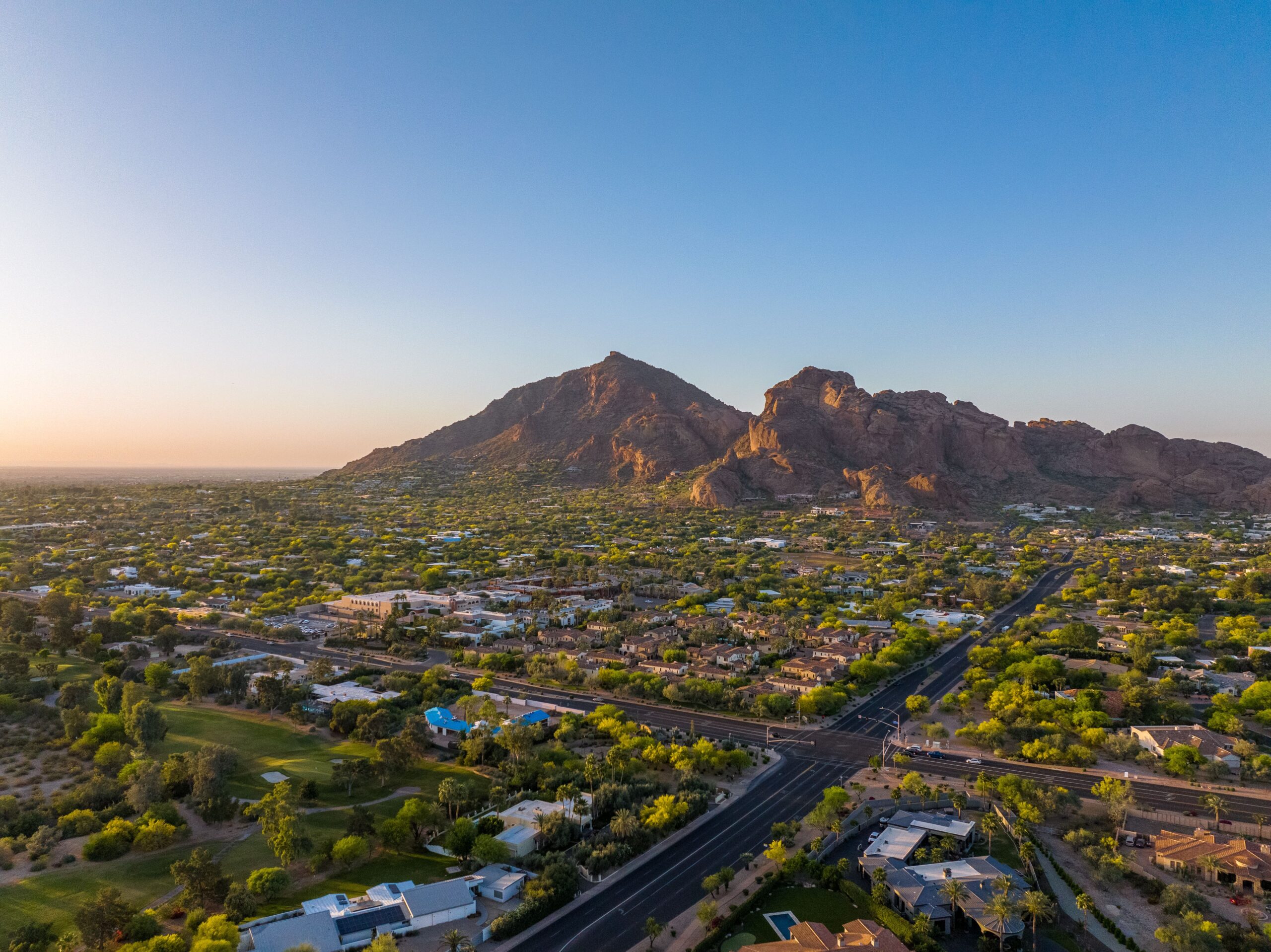
Welcome to Cave Creek, Arizona—where the cacti are tall, the sunsets are fiery, and the summers are hot enough to cook an egg on your driveway (or roof, for that matter). If you live in this desert paradise, you know your roof has to do more than just look good. It needs to take the heat, withstand monsoon madness, and maybe even keep your AC bill from looking like the national debt. But don’t worry—we’ve got the inside scoop on the best roofs for desert living that balance style and functionality.
1. Clay Tile: The Desert Classic

Ah, clay tiles—the OG of desert roofing. These beauties have been protecting homes since the days of adobe huts. Why are they so great for the desert?
- Heat Resistance: Clay tiles laugh in the face of 115°F heat, keeping your home cooler by reflecting sunlight instead of absorbing it.
- Longevity: With proper care, clay tiles can last 50+ years. That’s longer than some of us plan to stay in one place!
- Style: From Spanish to Mediterranean vibes, clay tiles bring a timeless elegance that screams “I live in the desert, and I love it.”
The only downside? If your neighbor’s kid practices pitching baseballs, these tiles can crack faster than you can say “Home Depot.” But hey, they’re worth it.
2. Metal Roofs: The Cool Rebels

Think metal roofs are just for barns? Think again. These sleek, modern marvels are making waves in the desert roofing game.
- Reflectivity: Metal roofs bounce sunlight right back into the sky, meaning your attic doesn’t double as a sauna.
- Durability: Monsoons? Hail? No problem. Metal roofs can handle it all like a desert ninja.
- Eco-Friendly: Many metal roofs are made from recycled materials and can be recycled again when they’ve had their day in the sun.
Plus, with color options ranging from subtle earthy tones to bold modern hues, you can make your roof a statement piece. Pro tip: Don’t touch it during summer—it’s like a frying pan up there.
3. Foam Roofing: The Desert’s Best-Kept Secret

If you’ve never heard of foam roofing, prepare to have your mind blown (but hopefully not your roof). This lightweight, seamless option is perfect for flat or low-slope roofs, which are common in the Southwest.
- Energy Efficiency: Foam roofing creates an airtight seal, keeping your cool air inside and the blazing heat out. Your AC will thank you.
- Low Maintenance: Once applied, foam roofs require minimal upkeep. Just a re-coat every few years, and you’re good to go.
- Waterproofing: Despite what it sounds like, foam roofs don’t absorb water. In fact, they’re excellent at keeping it out—even during monsoon season.
Just make sure your local birds don’t confuse it for dessert. (Yes, it’s happened.)
4. Concrete Tile: The Clay Tile’s Tough Cousin

Concrete tiles are like clay tiles’ more rugged, durable sibling. They offer similar aesthetics but are a bit more budget-friendly and resilient.
- Weather Resistance: These tiles are heavy enough to stay put during monsoon winds but sturdy enough to handle the occasional tumbleweed collision.
- Versatility: Available in a variety of colors and textures, concrete tiles can mimic clay, slate, or even wood.
- Longevity: Like clay, these tiles are built to last decades.
Sure, they’re heavy, but your roof’s got this. (Probably. Just make sure your structure is up to code.)
5. Asphalt Shingles: The Budget-Friendly All-Star

Asphalt shingles may not scream “desert chic,” but they’re a solid choice if you’re looking for affordability without sacrificing functionality.
- Heat Tolerance: Modern asphalt shingles are made to withstand high temperatures and UV rays.
- Cost-Effective: They’re one of the most budget-friendly options, making them a favorite for homeowners looking to save without skimping on quality.
- Quick Installation: Need a new roof in a hurry? Asphalt shingles are a snap to install.
Just remember, they might not last as long as clay or metal—but hey, they’re perfect for short-term solutions or tighter budgets.
Almeida Roofing Inc.
Living in Cave Creek means your roof isn’t just a shelter; it’s your first line of defense against the elements. Whether you’re drawn to the timeless elegance of clay tiles, the futuristic vibe of metal, or the hidden gem that is foam roofing, there’s a perfect option for every home and style.
Not sure which roof is right for you? Give us a call! We’ll help you choose a roof that’ll keep you cool, withstand the wildest monsoon, and maybe even make your neighbors a little jealous. Because in Cave Creek, your roof should be as tough and unique as the desert itself.
📞 602-743-3175
Foam Roof- Benefits
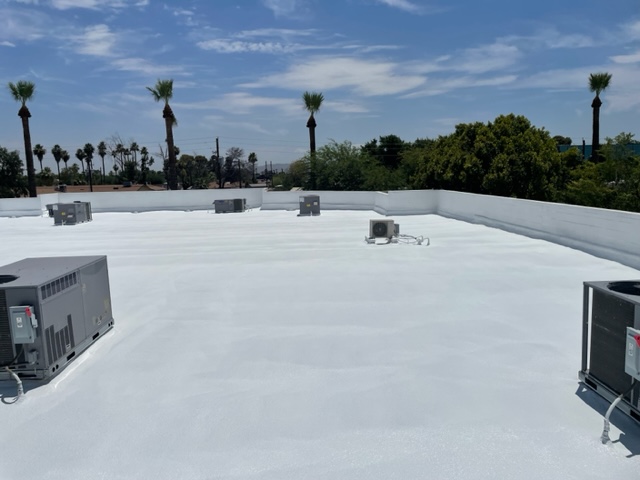
Have you thought about foam roofing for your Phoenix, Arizona home? As Arizonians, we look for anyway to cool down during the long summer months. Whether it’s spending hours in the pool or sitting in front of a fan all day, we will do whatever we can. Fortunately, there are ways of cooling our homes down and one of those is foam roofing.
What is Foam Roofing?
Foam roofing is the process of spraying a commonly flat roof with a Polyurethane Foam that expands about 20x to cover the entire roof. The foam thickens and solidifies to create a waterproof barrier.
What is the Foam Roofing installation process like?
- Roof prep includes clearing debris and gravel.
- From a machine inside the truck, the hose will be connected to include the spray gun at the end.
- The roofer will bring the spray gun alongside the house and onto the roof to begin the spray foam process.
- For the first layer, the Polyurethane foam will be sprayed.
- The second layer will be a base coat of paint.
- Following the second layer will be the white topcoat.
What are the benefits of Foam Roofing?
✅ Lightweight
✅ Durable
✅ Seamless
✅ Waterproof
✅ Seals against leaks, watertight
✅ Energy Efficient
✅ Extend the light of your HVAC unit
✅ Reduces heat
✅ Easy to install
✅ Easy to maintain
✅ Renewable
✅ Protects against UV Rays
If you’re interested in foam for your roof, call the roof experts at Almeida Roofing Inc. We have the crew to do any job, big or small.
📞 602-743-3175
Foam Roof Installation
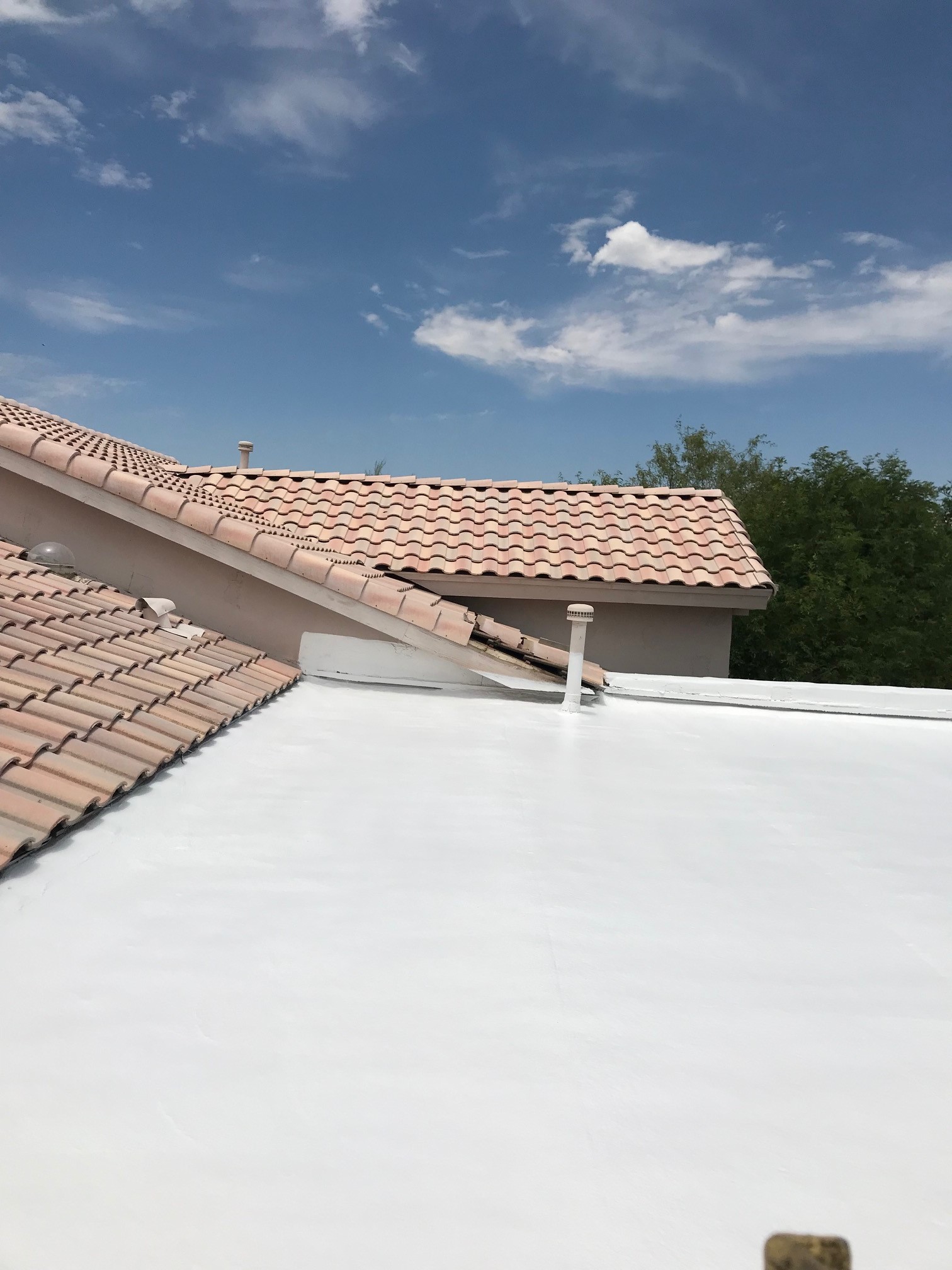
In Arizona, we have a variety of roof styles. Each roof style comes with their pros and cons. Foam roofing on a flat roof is one of these various styles. You will see flat roofs typically on business buildings but they can also be found on homes.
What is foam roofing?
Using a combination of isocyanate and polyol, the durafoam is sprayed over the roof in liquid form. As the liquid foams and expands, it covers the roof from seam to seam.
Why foam roofing?
The biggest benefit to foam roofing is no leaks! The seams are typically where the water likes to go and seep under your roofing causing expensive damage. When your roof is spray foamed, the seams are covered and not exposed to water. This saves on moisture going to places it shouldn’t be.
Foam roofing is also beneficial in energy efficiency. In our hot state, anything to help with cooling expenses is a must! The capability of lowering your energy bill by getting your roof spray foamed is a no brainer. It doesn’t hurt the environment and the cost doesn’t break your bank.
Spray Foam Roofer
Almeida Roofing Inc. is your local roof foam expert! We specialize in foaming commercial and residential properties. Our guys have the tools, knowledge, and experience to handle any foam roofing job. With special care and quality, we offer the best foam roofing services in the Phoenix, Arizona area. For more information -on how Almeida Roofing Inc. can help you, give us a call at 602-743-3175.
What is the best roof for Arizona’s heat?
Phoenix, Arizona is known for it’s scorching hot summers, monsoon season, and cold winter nights & mornings. For this reason, some homeowners might find it difficult to decide on what type of roof they want installed. They’ll require roofing materials that need to withstand all types of weather conditions their roof will endure all year round.
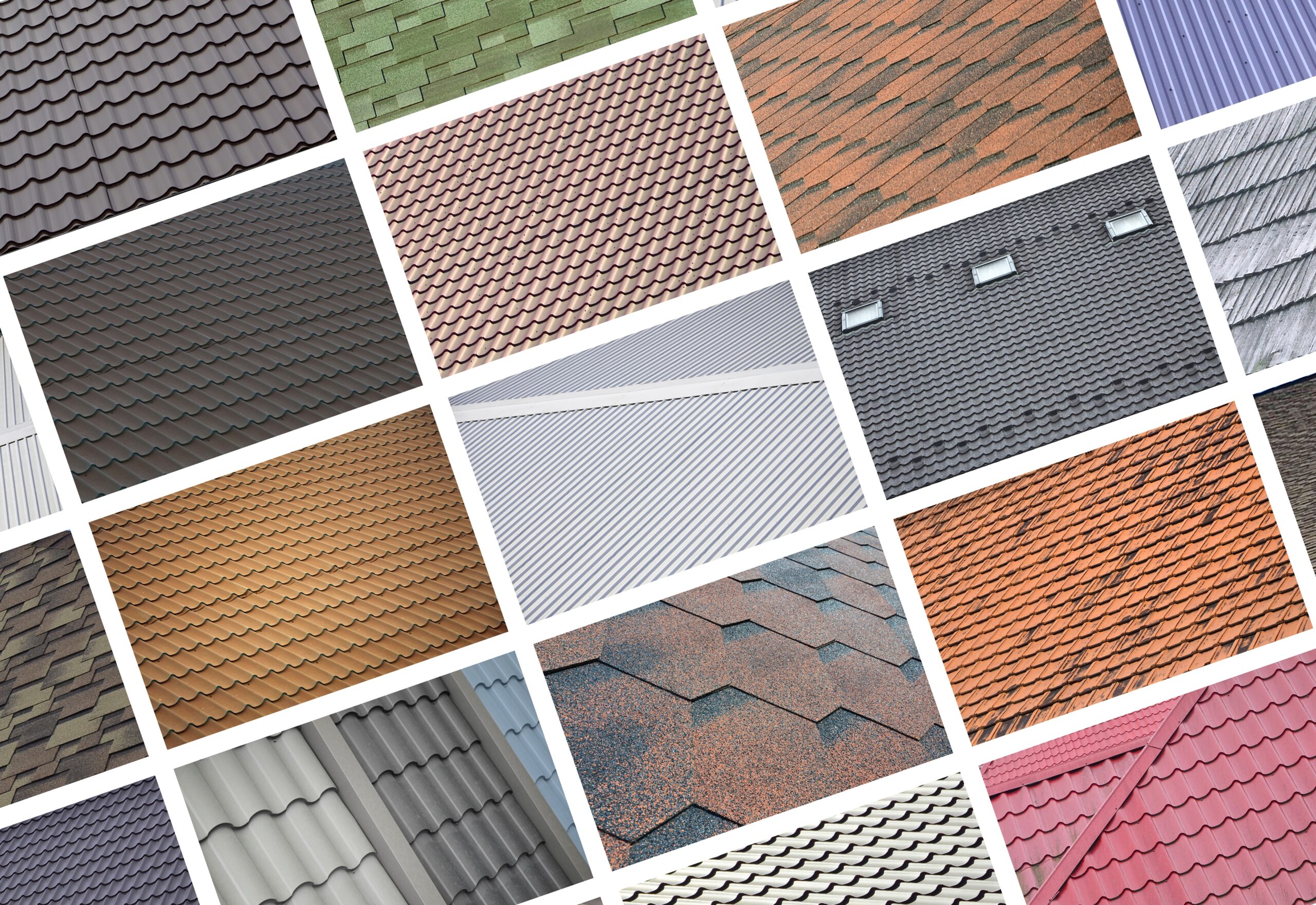
Consider these roof materials for extreme heat:
Slate- Slate roofing has been around for a very long time. These slate tiles give off a classic natural look while also providing protection. Slate roofing is preferred for it’s durability, earthy tones, and texture. The combination of the color, thickness, and texture of the slate tiles block heat from entering.

Solar- Solar roofing systems are a great alternative in cutting down on energy costs while also providing shade to block the heat from the sun. The solar panels installed on your roof offer a barrier so your roof and home don’t get so hot.

Spray Foam- Spray Foam roofing is becoming more and more popular here in Phoenix, Arizona for it’s protection against roof leaks and extreme heat. The foam roofing adds a layer keeping the sun’s heat from passing through into the home.

Metal- Metal roofing is surprisingly effective in redirecting the heat away from your roof leaving the home cooler. This roofing material is durable and can last a very long time with proper maintenance.

Shingles- Shingle roofing is typically the go-to and most common. Shingles have an appealing look and are beneficial in keeping your home cooler. In comparison to other roofing materials however, they aren’t as durable after constant exposure to the extreme heat.

Before you decide on the roofing materials right for you and your home, call Almeida Roofing Inc. for an estimate. We will go over options with you and answer any questions regarding materials, installation, and warranty. Our goal is to keep you covered all year round!
Call today! 📞 602-743-3175
