
How to Prepare Your Roof for Phoenix Monsoon Season
Expert Tips from Almeida Roofing – Serving Maricopa County for Over 40 Years
Arizona’s monsoon season is one of the most breathtaking weather phenomena in the Southwest—but for Phoenix homeowners, it can also be one of the most damaging. From intense wind bursts and sudden downpours to dust storms, microbursts, and hail, the desert summer can take a serious toll on your roof.
Your roof is your first line of defense against monsoon damage, and proper preparation can prevent costly leaks, structural damage, and emergency repairs during the peak storm months. At Almeida Roofing, we’ve been helping Phoenix-area homeowners protect their homes for more than 40 years, combining the personalized care of a local, family-owned business with the expertise of a full-service roofing contractor.
In this guide, we’ll walk you through exactly how to prepare your roof for Phoenix monsoon season, what warning signs to look for, and when it’s time to call the professionals.
Why Monsoon Season is Tough on Phoenix Roofs
Monsoon season officially begins in mid-June and lasts through September. While many people expect rain, monsoons bring much more than that:
High Winds & Microbursts – Winds can exceed 60 mph, tearing off shingles, lifting tiles, and loosening roof flashing.
Heavy Rain & Sudden Downpours – Poor drainage, damaged shingles, or clogged gutters can lead to leaks and water intrusion.
Dust Storms (Haboobs) – Fine debris collects on rooftops, trapping moisture and leading to mold or structural decay if not cleared.
Hail & Debris Impact – Hail and storm-flung debris can crack tiles, dent metal, split underlayment, or puncture flat roofs.
Simply put: your roof faces an aggressive combination of wind, water, and debris, and even minor weaknesses can quickly turn into major repairs.
Step-by-Step: How to Prepare Your Roof for Monsoon Season
1. Schedule a Pre-Monsoon Roof Inspection
The most effective way to protect your roof is to schedule a professional inspection—preferably before June. A trained roofing expert will assess:
✔ Loose or missing shingles or tiles
✔ Cracked or lifted flashing
✔ Broken or slipped underlayment
✔ Soft spots or signs of rot
✔ Gutter and drainage functionality
✔ Vulnerable penetrations (vents, chimneys, skylights)
At Almeida Roofing, we provide a thorough monsoon-ready roof assessment, giving you peace of mind knowing your home is protected before the storms arrive.
Schedule your inspection now: (602) 743-3175
2. Inspect and Seal Roof Flashing
Roof flashing is the thin metal material installed around chimneys, walls, vents, and skylights to prevent water intrusion. Monsoon winds and hail can easily loosen or damage flashing, allowing water to seep into your roof decking.
What to do:
✔ Ensure flashing is properly sealed and secure
✔ Seal gaps around vent pipes and roof penetrations
✔ Repair lifted or rusted flashing immediately
Failing to address flashing issues can lead to hidden leaks and long-term structural damage.
3. Replace Broken, Cracked, or Missing Tiles/Shingles
Loose tiles and lifted shingles are especially vulnerable to powerful winds. Once one shingle lifts, surrounding shingles are more likely to peel back or tear away.
Warning signs to look for:
– Cracked or chipped roof tiles
– Cupped, curling, or brittle shingles
– Bald spots (missing granules) on asphalt shingles
– Loose or rattling roofing during windy days
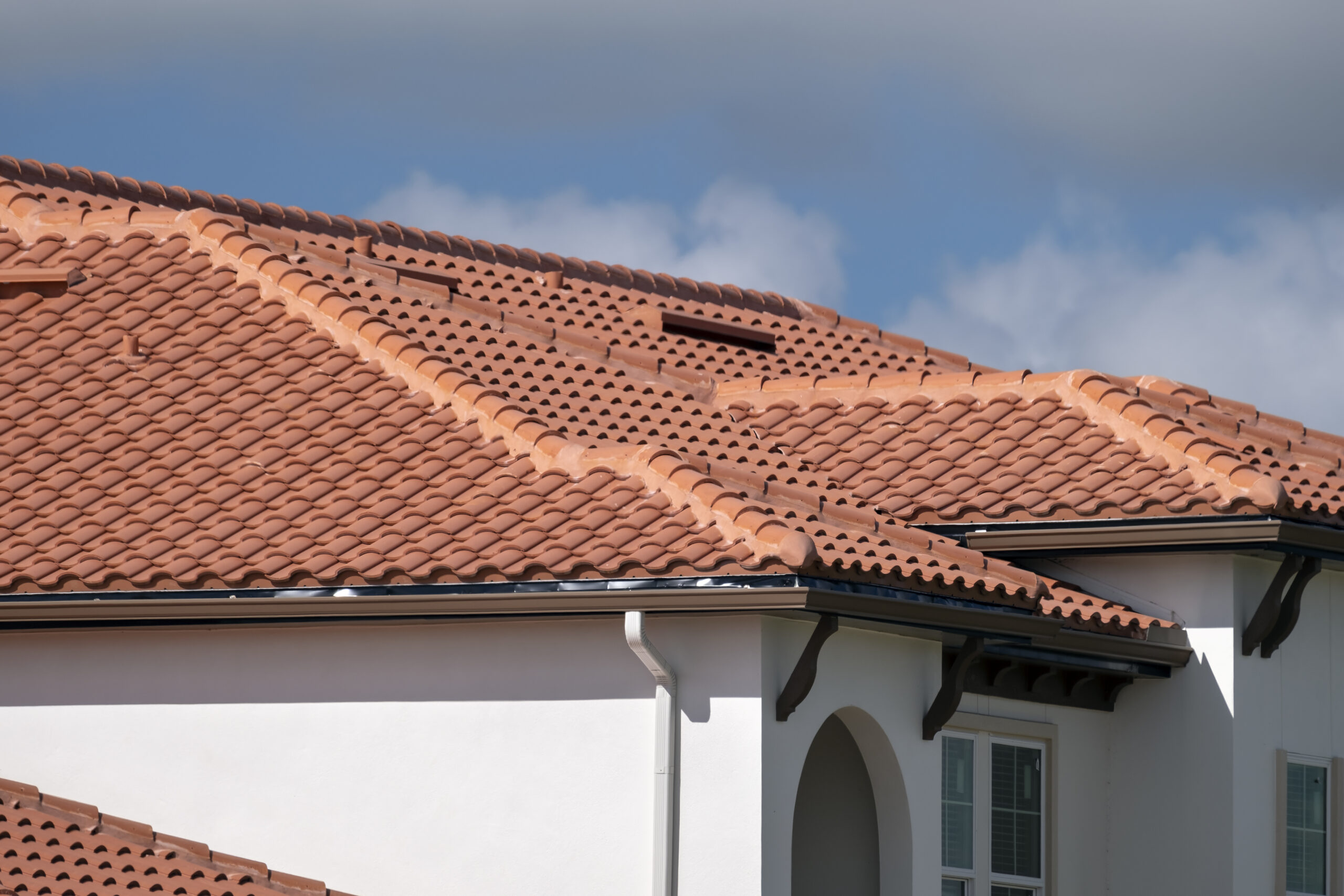
Even one broken tile can expose your roof to water intrusion. Tile roofs, especially popular in the Phoenix Valley, should be checked regularly for damage.
4. Clean Gutters and Downspouts
One of the most overlooked monsoon preparations? Roof drainage.
Clogged gutters can cause rainwater to back up and seep under roof tiles, flood fascia boards, or even cause interior leaks. Dust storms, leaves, and bird nests are common debris sources in Arizona homes.
How to prepare:
✔ Remove built-up leaves, dirt, and debris
✔ Ensure downspouts channel water at least 2–3 feet away from the foundation
✔ Install gutter guards, especially in tree-lined neighborhoods like Ahwatukee, Gilbert, and North Phoenix
Clean flow = less flooding and fewer roof leaks.
5. Trim Overhanging Trees Before Winds Hit
High winds don’t just drop tree limbs—sometimes they swing them against your roof, cracking tiles, denting shingles, and damaging gutters.
What to check:
– Branches hanging over the roof
– Leaning trees near the house
– Dead or brittle limbs that may break in a storm
A single flying branch can crack roofing tiles, damage flashing, or break skylights—leading to thousands of dollars in repairs.
6. Check Roof Ventilation
Hot attic air combined with trapped moisture creates a perfect storm for mold, condensation, and damaged roof decking—especially during Phoenix’s humid monsoon nights.
Proper ventilation helps:
✔ Reduce attic heat
✔ Prevent moisture buildup
✔ Protect shingles and decking from premature aging
Both ridge vents and attic fans can improve airflow, keeping your roof stronger and longer-lasting.
7. Repair and Protect Flat Roofs (Modified Bitumen, Foam & TPO)
Flat roofs are especially vulnerable during monsoon season. Because they don’t drain as efficiently, pooled water can seep into seams, blister membranes, and weaken insulation beneath.
Flat roof storm prep checklist:
✔ Inspect for ponding or standing water
✔ Repair cracks, seam separations, and penetration damage
✔ Recoat foam roofs every 5–7 years
✔ Stop minor punctures before they become leaks
Almeida Roofing specializes in flat and foam roofing protection, helping Phoenix homeowners protect their investment before monsoons hit.
8. Inspect Skylights and Roof Openings
Skylights, chimneys, AC stands, and satellite mounts are common leak points during storms.
Check for:
– Loose seals, cracked caulking, or worn rubber boots
– Signs of water staining around the edges
– Gaps where wind could lift materials
These penetrations should be sealed tightly before monsoon conditions arrive.
9. Know the Signs of an Active or Developing Roof Leak
Even if your roof appears fine, there may still be hidden damage.
Watch for these warning signs:
– Yellow or brown ceiling stains
– Peeling paint or bubbling drywall
– Musty odors or mold spots
– Warping around vents or skylights
– Drips during heavy rain
If you notice any of these issues, call a roofing professional immediately. Early detection prevents long-term damage to insulation, drywall, framing—and your wallet.
What to Do After a Monsoon Storm
Even if your roof was prepared, post-storm inspection is critical.
After a storm, check for:
✔ Missing shingles or tiles
✔ Damaged flashing or vents
✔ Sagging rooflines
✔ Broken gutters or downspouts
✔ Wet spots in the attic
✔ Signs of wind uplift
If you see damage or suspect it, Almeida Roofing offers emergency storm inspections and repair services across Phoenix, Mesa, Chandler, Glendale, Peoria, Surprise, Scottsdale, Tempe, and beyond.
Why Phoenix Homeowners Trust Almeida Roofing
For more than 40 years, Almeida Roofing has been helping Maricopa County homeowners stay protected during monsoon season. Founded on family values, integrity, and quality workmanship, Almeida Roofing has earned its reputation as one of the Valley’s most trusted roofing experts.
Today, husband-and-wife team Kevin and Melissa lead the company with the same mission it began with:
Deliver exceptional craftsmanship with personal, family-style care.
✔ Local, family-owned, and deeply rooted in Phoenix communities
✔ Licensed, bonded, and insured
✔ Flat, tile, shingle, and foam roof experts
✔ Honest evaluations. No upselling. No surprises.
✔ Serving homeowners, HOAs, commercial buildings, and contractors
Call Almeida Roofing today at (602) 743-3175 to schedule your monsoon-ready roof inspection!
Final Thoughts: Don’t Wait for a Leak to Take Action
Monsoon damage to your roof isn’t just inconvenient—it can be dangerous, expensive, and disruptive to your home and family. With proper maintenance and early detection, you can avoid emergency repairs, insurance claims, and structural damage.
✔ Inspect now—before the storms arrive
✔ Schedule a professional roof assessment
✔ Fix minor issues now, avoid major repairs later
✔ Stay proactive, not reactive
Ready to Protect Your Home This Monsoon Season?
Contact Almeida Roofing Today
Phone: (602) 743-3175
Serving Phoenix, Scottsdale, Mesa, Chandler, Glendale, Peoria, Surprise, Buckeye, Tempe, and surrounding Maricopa County communities.