
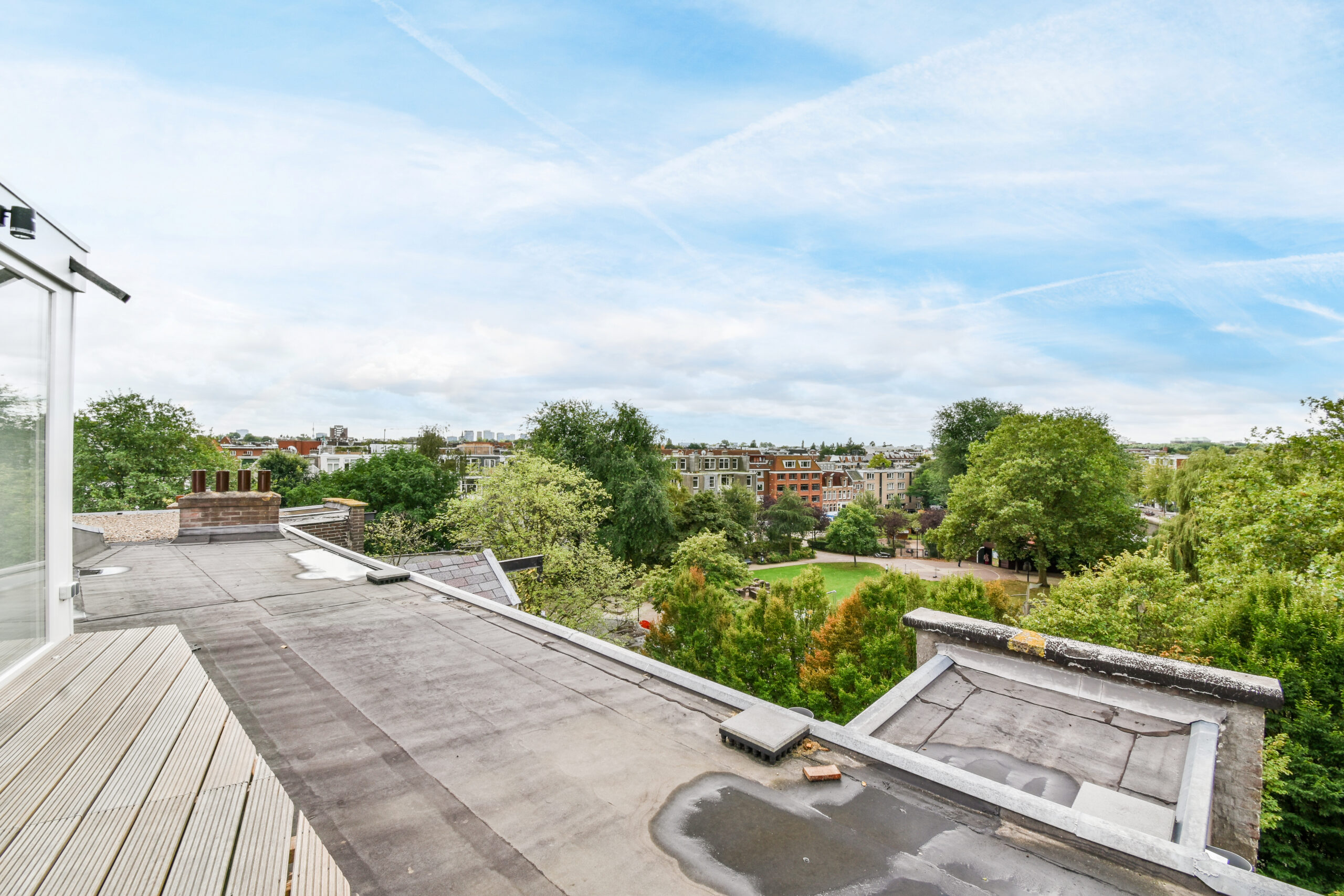
Why Flat Roofs Fail in Arizona and How Proactive Maintenance Can Help
In the heart of the Arizona Desert, Phoenix homeowners and business owners depend on their roofs to withstand some of the harshest conditions in the country—scorching summer heat, sudden monsoon storms, and relentless UV exposure. For many properties, flat roofs are the go-to choice because of their modern look, affordability, and efficiency.
However, while flat roofs work well in Arizona’s dry climate, they’re also uniquely vulnerable when maintenance is neglected. Over time, small issues—like ponding water, cracks in the membrane, or poor drainage—can turn into major problems, leading to leaks, interior damage, and costly repairs.
This guide explains why flat roofs fail in Arizona, the warning signs you should never ignore, and how proactive roof maintenance can extend your roof’s life, prevent expensive damage, and save you thousands in the long run.
The Arizona Climate: A Roof’s Greatest Challenge
Phoenix isn’t an easy place for any roofing material to survive. Our extreme weather patterns create the perfect storm for roof deterioration. Understanding how Arizona’s environment affects flat roofs helps explain why so many eventually fail.
1. Extreme Heat & UV Exposure
In summer, rooftop temperatures in Phoenix can soar past 180°F. Constant exposure to sunlight and heat causes roofing materials to expand, contract, and gradually lose their flexibility. This thermal stress leads to cracking, blistering, and splitting—especially in older materials like modified bitumen or asphalt coatings.
UV rays also break down protective coatings, leaving membranes brittle and more prone to leaks. Once cracks appear, the sun accelerates the damage by drying out adhesives and sealants, creating a vicious cycle of deterioration.
2. Monsoon Season & Sudden Rainfall
Phoenix’s monsoon storms are fast, intense, and unforgiving. Heavy downpours can dump inches of rain in just a few hours. Flat roofs, by design, have minimal slope—so if drainage systems aren’t functioning properly, ponding waterdevelops.
Standing water is one of the top causes of flat-roof failure. It increases the weight load, weakens membranes, and eventually finds its way through seams, vents, or cracks. Even small areas of standing water can cause long-term rot and mold in the roof deck.
3. High Winds & Dust Storms
Powerful haboobs and desert winds create another challenge. They can lift poorly adhered membranes, loosen flashing, and drive dirt into vulnerable seams. Once dust and debris accumulate in drains or scuppers, water can no longer flow freely, which leads to ponding and leaks.
4. Temperature Fluctuations
Arizona’s desert climate brings scorching days and cool nights—often a swing of 40 degrees or more within hours. These constant temperature fluctuations cause roofing materials to expand and contract, stressing seams and adhesives. Over time, this repetitive movement leads to surface cracking and seam separation, opening pathways for moisture to enter.
Common Causes of Flat Roof Failure in Phoenix
Beyond the weather, several practical and structural issues contribute to premature roof failure. Understanding these can help homeowners and property managers know what to watch for and when to call a professional.
1. Poor Installation
A flat roof is only as strong as its installation. If the original roofing contractor cut corners or didn’t follow manufacturer specifications, problems can appear within just a few years. Common installation issues include:
- Insufficient slope for proper drainage
- Poorly sealed seams or flashings
- Inadequate insulation or vapor barriers
- Improperly installed drains or scuppers
In Phoenix, where roofs endure intense heat and heavy rainfall, these flaws can quickly shorten a roof’s lifespan.
2. Lack of Maintenance
Flat roofs require regular maintenance—especially in a desert climate. Dust, leaves, and debris can clog drains and create pooling water. Without routine inspections, small punctures, cracks, or worn-out sealant can go unnoticed until they lead to major leaks.
3. Ponding Water
Even minor standing water after a rainstorm should be addressed immediately. Ponding accelerates membrane deterioration, attracts algae and mold, and adds unnecessary weight to your roof structure. Persistent ponding is a sign of improper drainage or sagging insulation.
4. Punctures & Foot Traffic
Flat roofs often double as access points for HVAC maintenance, satellite installations, and even recreational space. Unfortunately, every step across the roof increases the risk of punctures or compression damage—especially on single-ply systems like TPO or PVC.
5. Aging Materials
Most flat roofs have a lifespan of 15–25 years, depending on the material. As they age, protective coatings dry out, seams loosen, and membranes lose elasticity. Without re-coating or repair, small cracks eventually lead to leaks and costly water damage.
The Warning Signs of a Failing Flat Roof
Catching problems early is key to preventing expensive repairs. Here are the most common warning signs that your flat roof may be failing:
- Water stains on ceilings or walls inside the building
- Visible cracks, bubbles, or blisters on the roof surface
- Ponding water that doesn’t evaporate within 48 hours
- Loose or lifting flashing around edges, vents, or skylights
- Mold, mildew, or foul odors inside the property
- Higher energy bills due to loss of roof insulation
- Sagging or soft spots when walking on the roof
If you notice any of these issues, contact a licensed Phoenix roofing company for an inspection before the next monsoon hits.
The Cost of Ignoring Roof Maintenance
Many property owners assume that because a flat roof looks fine from the ground, it’s fine overall. Unfortunately, roof problems often start beneath the surface. What begins as a $300 repair can quickly become a $10,000 replacement if left unchecked.
Ignoring maintenance can lead to:
- Structural damage from long-term leaks
- Mold and mildew growth inside walls or insulation
- Shortened lifespan of roofing materials
- Damage to HVAC units, ceilings, or electrical systems
- Voided manufacturer warranties due to neglect
In short, neglect is expensive. The harsh Phoenix climate demands a proactive approach to roof care.
How Proactive Maintenance Prevents Flat Roof Failure
Regular inspections and preventative care are the best ways to extend your roof’s life and avoid emergency repairs. Here’s how proactive maintenance protects your investment:
1. Routine Inspections
Schedule professional roof inspections twice per year—typically once before monsoon season (spring) and once after (fall). These inspections allow roofers to identify early signs of wear, damage, or ponding before they turn into leaks.
A thorough inspection includes:
- Checking all flashings, seams, and penetrations
- Clearing drains, scuppers, and gutters
- Looking for cracks, punctures, or soft areas
- Evaluating sealant and coating integrity
Many reputable Phoenix roofing companies offer maintenance plans that include regular inspections and small repairs bundled together—an affordable way to keep your roof in top condition.
2. Cleaning & Debris Removal
Desert winds deposit sand, leaves, and debris that block drains and hold moisture. Keeping your roof surface clean ensures proper water flow and prevents premature deterioration.
After major storms, it’s wise to schedule a quick cleaning or inspection to remove debris and check for punctures.
3. Sealant & Coating Renewal
Flat roofs often rely on protective coatings to reflect UV rays and seal small imperfections. Over time, these coatings wear away. Reapplying reflective roof coatings every few years can:
- Extend your roof’s lifespan by 5–10 years
- Reduce heat absorption and lower cooling costs
- Prevent cracking and premature aging
In Phoenix, elastomeric or silicone coatings are especially effective at resisting UV damage and thermal expansion.
4. Drainage Maintenance
Proper drainage is the backbone of a healthy flat roof. Ensure all drains, scuppers, and downspouts are clear year-round. Pooling water should never linger more than 48 hours after rain.
If ponding persists, your roofing professional may recommend adding tapered insulation or adjusting slope design to promote faster runoff.
5. Prompt Repairs
Even minor leaks should never wait. A small tear in the membrane can spread quickly in extreme heat or under standing water. Immediate repairs prevent water intrusion, preserve insulation, and maintain warranty coverage.
The Role of Roof Coatings in Arizona’s Climate
Many Phoenix property owners choose to recoat their flat roofs instead of replacing them outright. Roof coatings are an excellent proactive measure—especially when the existing membrane is still in good condition.
Popular coating options include:
- Silicone Coatings: Best for UV resistance and ponding water protection.
- Acrylic Coatings: Affordable and reflective, ideal for white “cool roof” systems.
- Polyurethane Coatings: Tough and durable, great for roofs with heavy foot traffic.
A professional roofer can inspect your existing roof and determine whether a re-coat is viable or if replacement is necessary.
Commercial Flat Roof Maintenance in Phoenix
Flat roofs are especially common on commercial buildings throughout the Valley. Proactive maintenance is critical in protecting inventory, tenants, and daily operations.
A comprehensive commercial roof maintenance program includes:
- Biannual inspections and reports
- Immediate leak response and patching
- Annual cleaning and debris removal
- Scheduled re-coating or sealant application
- Drain and scupper maintenance
Many business owners see this as an added expense, but in reality, maintenance plans are a form of insurance—helping avoid downtime and major structural repairs down the road.
Residential Flat Roof Care for Phoenix Homes
Flat and low-slope roofs are also common on mid-century modern homes, townhouses, and newer Southwest-style builds. Homeowners should be especially cautious after storms or extended heatwaves.
Simple proactive steps include:
- Checking ceilings and attics for damp spots after monsoons
- Keeping trees trimmed to prevent debris accumulation
- Scheduling annual inspections with a licensed roofer
- Considering reflective coatings to reduce cooling costs
These small efforts can easily add 5–10 years of life to your roof.
How Often Should You Inspect or Service a Flat Roof?
In Phoenix’s extreme desert environment, roofing experts recommend:
- Routine inspections: Every 6 months (spring and fall)
- After major weather events: Following heavy rain, hail, or high winds
- Coating maintenance: Every 3–5 years, depending on product type
- Full replacement: Typically every 20–25 years with proper upkeep
Keeping a digital log of inspections, photos, and repairs also helps when filing insurance claims or selling your property.
Choosing the Right Roofing Company in Phoenix
Flat roofs demand experience and precision. When hiring a roofer, look for:
- Local expertise – Familiarity with Arizona’s unique climate challenges
- Licensing and insurance – Ensure ROC certification and full liability coverage
- Experience with flat roofing systems – TPO, PVC, modified bitumen, foam, and coatings
- Comprehensive services – From inspections and maintenance to coatings and full replacement
- Transparent communication – Detailed reports, photos, and no hidden fees
Partnering with a reputable Phoenix roofing company ensures your maintenance plan is proactive, cost-effective, and backed by years of local knowledge.
Final Thoughts: Prevention Is Cheaper Than Replacement
Flat roofs in Arizona can perform exceptionally well when properly cared for—but without regular maintenance, the desert climate will take its toll. Between UV rays, monsoon rains, and constant expansion and contraction, even the best materials can fail prematurely if neglected.
The solution is simple: proactive maintenance. Regular inspections, timely repairs, and protective coatings cost a fraction of what a full roof replacement would—and they give you peace of mind knowing your home or business is protected year-round.
If you haven’t had your flat roof inspected lately, now is the perfect time—before monsoon season hits. A professional inspection today could prevent a costly emergency tomorrow.
Schedule Your Flat Roof Inspection in Phoenix Today
Whether you manage a commercial property or own a home with a flat roof, our experienced Phoenix roofing team can help you extend your roof’s life, lower cooling costs, and avoid expensive repairs.
We’ll inspect, maintain, and protect your roof—so the next Arizona storm isn’t something you have to worry about. Contact us today to get started!