
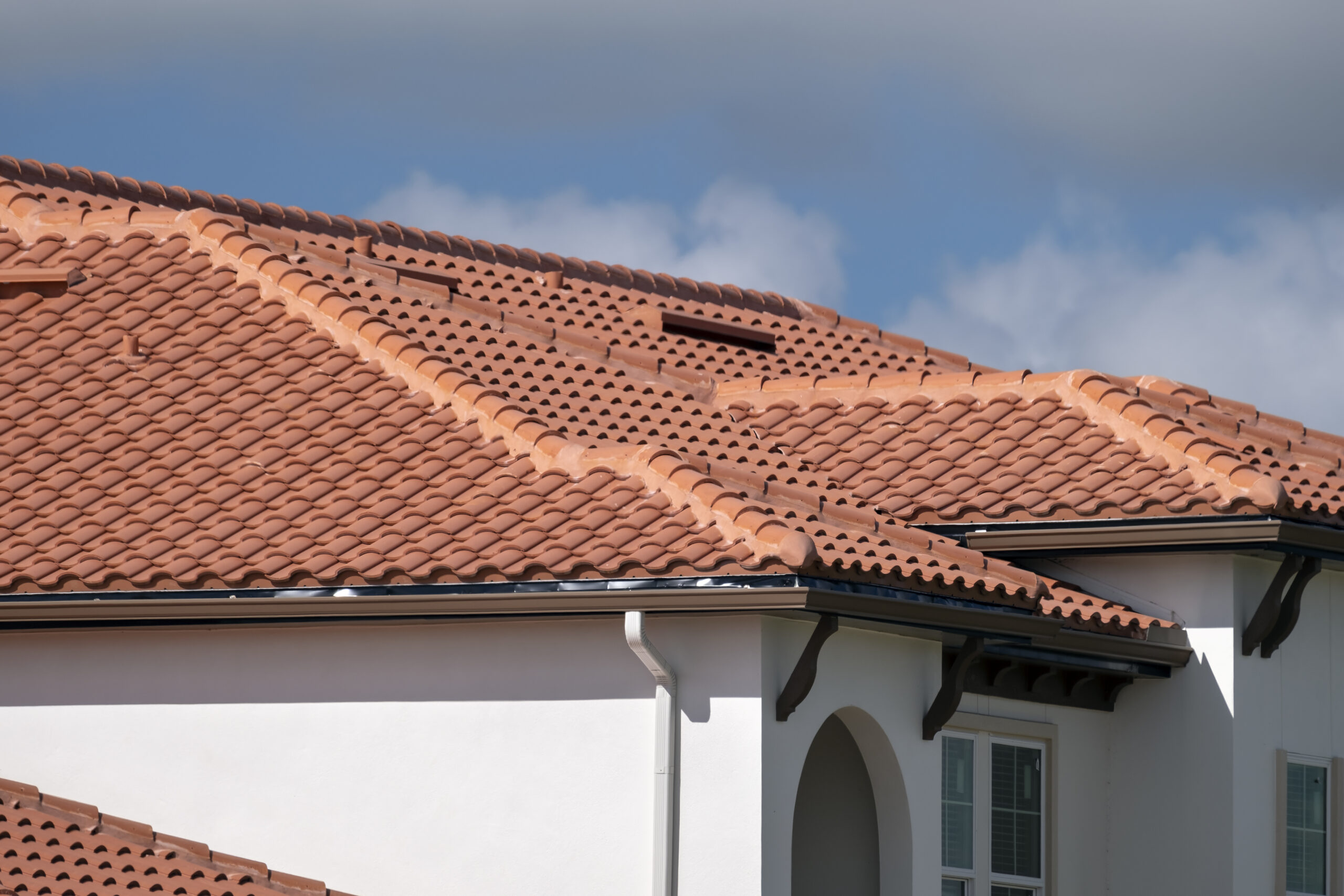
Signs It’s Time to Repair vs. Replace Your Roof in the East & West Valley
Your roof protects everything underneath it, but it does not last forever—especially in Arizona. Between intense summer heat, monsoon storms, high winds, dust, and constant UV exposure, roofs across the East and West Valley take a beating year after year. For homeowners, one of the most common questions is whether a roofing problem can be repaired or whether it makes more sense to replace the roof altogether.
The answer depends on several factors, including the age of the roof, the type of damage, how widespread the problem is, and whether the roofing system is still performing the way it should. In places like Phoenix, Mesa, Chandler, Gilbert, Scottsdale, Tempe, Peoria, Glendale, Surprise, Goodyear, Avondale, Buckeye, and surrounding areas, knowing the difference between a roof that needs a targeted repair and one that is nearing the end of its life can help you avoid bigger and more expensive problems later.
Why Arizona Roofs Wear Out Differently
Roofs in the East and West Valley face conditions that are especially hard on roofing materials. Constant sun exposure can dry out and weaken shingles, underlayment, sealants, and other roofing components. Extreme heat causes materials to expand and contract repeatedly, which can lead to cracks, warping, and early wear. Monsoon season can then expose those weaknesses by bringing wind, rain, and blowing debris.
Even a roof that looks fine from the ground may be hiding damage that has built up over time. That is why it is important to pay attention to both visible warning signs and the overall age and condition of the roof.
When a Roof Repair May Be Enough
In many cases, a roof repair is the right solution. Repairs are often appropriate when the damage is limited to one area and the rest of the roof is still in good condition.
1. The Damage Is Isolated
If only a small section of the roof is affected, a repair may be all you need. Examples include:
- A few missing or cracked shingles
- Minor flashing damage
- A small leak around a vent, skylight, or chimney
- Localized storm damage
- A small area of tile displacement
- Sealant failure in one section
When the problem is limited and the rest of the roof is still structurally sound, repairing the damaged area can be a practical and cost-effective option.
2. Your Roof Is Still Relatively Young
A newer roof with a small issue is often a strong candidate for repair. If the roof still has many useful years left and the problem has been caught early, repairing the affected section can help extend the life of the entire system.
3. The Leak Was Caught Early
A leak does not always mean the whole roof needs to be replaced. If the source is identified quickly and the water intrusion has not spread far, a repair may solve the issue before major interior damage occurs.
4. Storm Damage Is Limited
Arizona monsoons can damage specific parts of a roof without destroying the full system. If wind lifts a few shingles, debris damages one section, or flashing is loosened during a storm, targeted repairs may restore the roof without needing a full replacement.
5. The Roof Structure Is Still Sound
If the decking, support structure, and major roofing components are still in good shape, repairs are often enough. In these cases, the issue may be cosmetic or limited to the surface materials rather than a failure of the roof system as a whole.
Signs a Roof Replacement May Be the Better Option
Sometimes a repair only delays the inevitable. If problems are widespread or the roof is already near the end of its expected lifespan, replacement may be the smarter long-term investment.
1. The Roof Is Nearing the End of Its Life
All roofing materials have a lifespan, and Arizona’s climate can shorten it. Even if a roof has not completely failed yet, age matters. Older roofs are more likely to develop repeated issues, and making repair after repair can become more expensive than replacing the roof with a new system built for desert conditions.
2. Damage Is Widespread
If damage appears across multiple areas of the roof, replacement is often more practical. Signs of widespread damage may include:
- Large sections of missing, curling, or brittle shingles
- Extensive tile damage
- Repeated leaks in different areas
- Widespread underlayment deterioration
- Multiple failing roof penetrations
- Sagging areas or uneven roof lines
When a roof is failing in multiple places, patching one section may not solve the overall problem.
3. Repairs Keep Adding Up
If you are calling for roof repairs again and again, replacement may be the more cost-effective choice. Frequent repairs can become frustrating and expensive, especially when they only provide a temporary fix. A new roof can offer better protection, fewer recurring issues, and greater peace of mind.
4. There Is Serious Water Damage
Water damage can go far beyond the outer roofing material. If leaks have caused rot, damaged decking, mold concerns, ceiling staining, insulation problems, or structural weakening, a replacement may be necessary to properly address the issue.
5. The Roof Is No Longer Energy Efficient
Arizona homeowners know how important energy efficiency is. An aging roof can contribute to higher cooling costs if materials have deteriorated and ventilation is poor. If the roof is no longer helping protect the home from the Valley’s intense heat, replacement may provide both better protection and better performance.
6. The Roof Looks Worn Out Across the Whole Surface
Appearance is not everything, but it can still tell you a lot. If the roof looks heavily aged, faded, cracked, brittle, uneven, or visibly worn in many areas, it may be time to consider replacing it rather than trying to keep patching it.
Common Arizona Roof Problems That May Point to Repair or Replacement
Homeowners in the East and West Valley often deal with roofing issues tied directly to the local climate.
Sun Damage
Arizona sun can wear down roofing materials faster than many homeowners expect. Shingles may become brittle, tiles may crack, and underlayment can dry out over time. If sun damage is limited, repairs may help. If the entire roof has been baked and weakened for years, replacement may make more sense.
Monsoon Damage
Monsoons can bring heavy rain, high winds, and airborne debris. Some homes only need repair after a storm. Others may reveal broader weaknesses, especially if the roof was already aging before the storm hit.
Underlayment Failure
On tile roofs, the tiles themselves may look fine while the underlayment beneath them is wearing out. In Arizona, underlayment condition is a major factor in whether a roof needs repair or replacement. If failure is widespread under the tiles, a more extensive roofing project may be necessary.
Flashing and Penetration Issues
Roof leaks often begin around vents, chimneys, skylights, and other penetrations. These areas can sometimes be repaired without replacing the entire roof, but repeated problems may indicate a larger issue with the overall roof system.
Repair vs. Replacement: Questions Homeowners Should Consider
When deciding whether to repair or replace a roof, it helps to ask a few practical questions:
- How old is the roof?
- Is the damage isolated or widespread?
- Has the roof needed multiple repairs in recent years?
- Are there signs of water damage inside the home?
- Is the roof still protecting the home efficiently?
- Would a repair solve the real problem or only delay a bigger one?
A professional inspection can help answer these questions and identify whether the issue is limited or whether the roof is beginning to fail more broadly.
The Cost of Waiting Too Long
One of the biggest mistakes homeowners make is waiting too long to address roofing problems. A small issue that could have been repaired may turn into a much larger and more expensive problem if left alone. Leaks can spread, decking can rot, insulation can be damaged, and interior repairs can become necessary.
On the other hand, continuing to spend money on repeated repairs for a roof that is already worn out may not be the best use of your budget. That is why the goal is not simply to choose the cheaper option today—it is to choose the smarter option for the condition of the roof and the long-term protection of the home.
Why a Professional Roof Inspection Matters
A roofing issue is not always easy to diagnose from the ground. What looks like a simple leak may actually be part of a larger problem, and what appears to be major damage may sometimes be repairable. A professional roof inspection can help determine:
- The age and overall condition of the roof
- Whether damage is isolated or widespread
- Whether repairs are likely to last
- Whether replacement is the more practical long-term choice
- Which materials and systems may be best suited for Arizona conditions
For homeowners in the East and West Valley, an inspection is often the best starting point because it provides a clearer picture of what the roof actually needs.
Roof Repair and Replacement in the East & West Valley
Homes across the East Valley and West Valley deal with different roofing demands, but the Arizona climate affects them all. Whether you live in Mesa, Chandler, Gilbert, Scottsdale, Tempe, Phoenix, Peoria, Glendale, Surprise, Avondale, Buckeye, Goodyear, or nearby communities, your roof has to stand up to year-round exposure, sudden storms, and extreme summer temperatures.
A roof repair may be the right answer when the damage is minor and the rest of the roof is in good shape. A roof replacement may be the better investment when the roof is older, worn out, leaking in multiple places, or no longer providing dependable protection.
Final Thoughts
Knowing whether to repair or replace your roof is not always simple, but paying attention to the warning signs can help you make a better decision. If the problem is small, isolated, and caught early, a repair may be enough. If the roof is aging, failing in multiple areas, or costing you money through repeated repairs and reduced efficiency, replacement may be the better path.
For homeowners in Arizona’s East and West Valley, the key is acting before a manageable roofing issue turns into major damage. A professional inspection can help you understand the condition of your roof, evaluate your options, and choose the solution that best protects your home.