
How Roof Underlayment Impacts Performance in Hot Arizona Summer
When most homeowners think about roofing materials, they picture shingles, tile, or metal panels. What they often do not think about is the layer underneath that helps hold the entire roofing system together when temperatures rise. In Arizona, that hidden layer matters more than many people realize.
Roof underlayment plays a major role in how a roof performs during long stretches of extreme summer heat. It helps provide a secondary barrier against moisture, supports overall roof durability, and can influence how well the roofing system stands up to sun exposure and thermal stress over time. In a climate like Arizona’s, where rooftops can face intense UV exposure and prolonged triple-digit temperatures, underlayment is not just a background material. It is a critical part of the system.
If you are planning a roof replacement, building a new home, or trying to understand why some roofs age faster than others, it helps to know how roof underlayment affects performance in hot Arizona summers.
What Is Roof Underlayment?
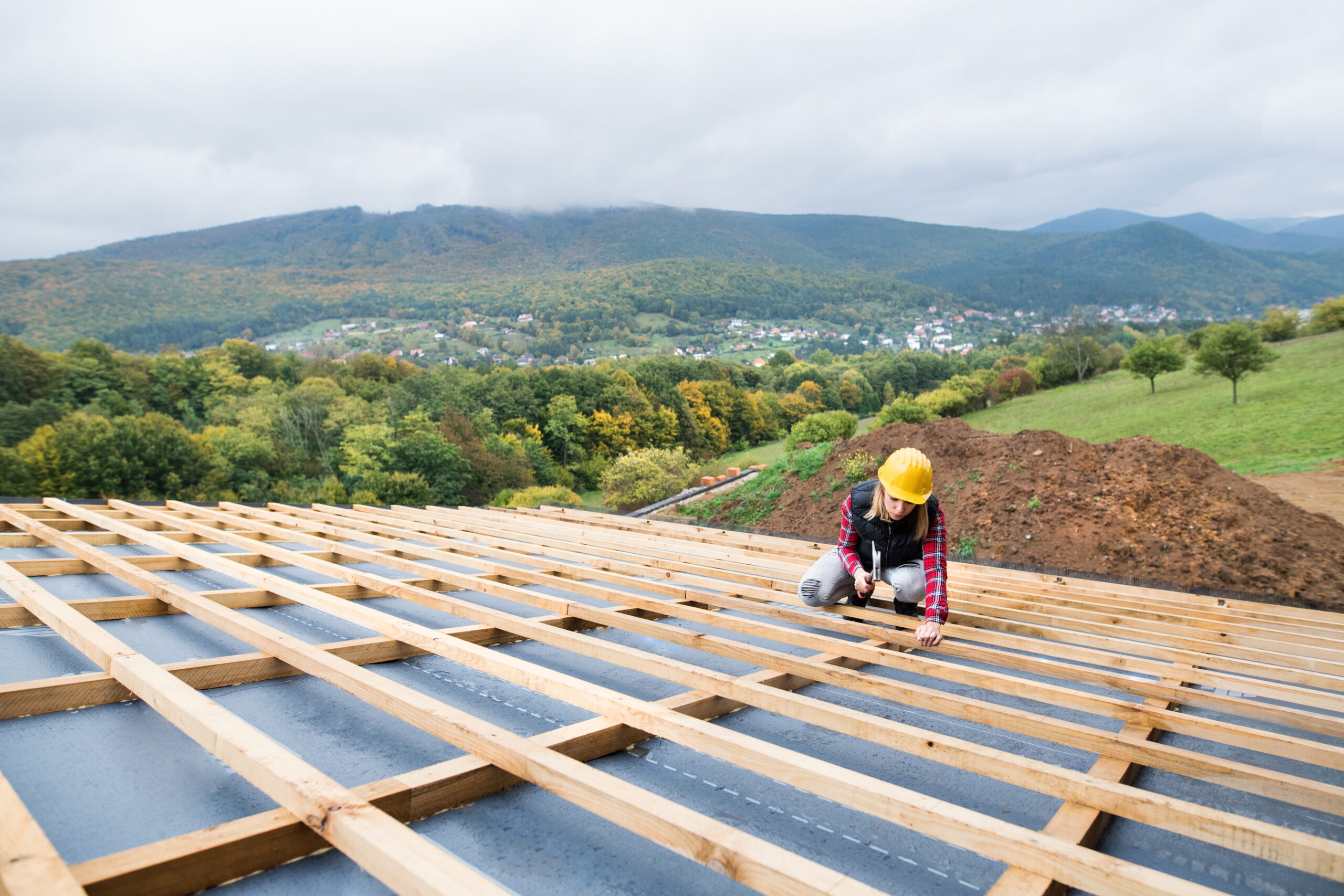
Roof underlayment is the protective layer installed between the roof deck and the outer roofing material. It serves as a backup barrier that helps protect the structure if water gets past the top roofing surface.
Depending on the type of roof, the underlayment may sit beneath tile, shingles, metal, or other roofing materials. While it is not usually visible once the roof is complete, it plays an important role in helping the roof handle weather, drainage, and heat-related wear.
In Arizona, underlayment often takes on even greater importance because roofing materials are constantly exposed to intense sunlight, high surface temperatures, and expanding and contracting materials throughout the summer.
Why Underlayment Matters So Much in Arizona
Arizona summers are hard on roofs. Even if rain is limited for much of the season, the heat alone can put significant stress on roofing systems. Roof surfaces can become much hotter than the outdoor air temperature, especially on dark-colored materials or low-slope areas that absorb direct sunlight for hours.
That extreme heat can affect a roof in several ways:
- Accelerated material aging
- Expansion and contraction of roofing components
- Increased drying and brittleness in lower-quality materials
- Greater stress around penetrations, seams, and transitions
- Reduced lifespan if the system is not built for the climate
The underlayment helps the roof system maintain performance when those conditions continue day after day. If the wrong material is used, or if the underlayment is aging, cracked, slipping, or deteriorating, the roof may become more vulnerable to damage over time.
A Roof Is More Than the Surface Material
Homeowners sometimes assume that the visible roofing material does all the work. In reality, roof performance depends on the system as a whole.
For example, a tile roof in Arizona may look durable from the street, but the tile itself is often the outer protective layer rather than the primary waterproofing layer. In many cases, the underlayment beneath the tile is doing much of the real moisture protection work. That means even if the tile looks fine, worn or failing underlayment can still lead to leaks and long-term problems.
The same idea applies to other roof types. Shingles, metal panels, and specialty roofing systems all rely on the layers underneath to help protect the decking and interior structure. In a hot climate, the quality and condition of those layers matter.
How Heat Affects Roof Underlayment
Arizona heat can impact underlayment performance in several important ways.
Material Breakdown Over Time
Some underlayment materials are more vulnerable to drying out, becoming brittle, or losing flexibility after years of extreme heat exposure. As the material ages, it may be more likely to crack, shrink, wrinkle, or weaken.
Once that happens, the roof system may become more vulnerable to moisture intrusion, especially during monsoon season or after wind-driven rain.
Thermal Expansion and Movement
Roof systems move as temperatures rise and fall. The roofing materials, fasteners, flashing, and surrounding components expand in the heat and contract as temperatures cool. Over time, that repeated movement can stress the underlayment and surrounding roof assembly.
A quality underlayment should be able to handle thermal movement better than low-grade materials that break down faster under repeated stress.
UV Exposure During Installation or Repairs
In some roofing situations, underlayment may be exposed to direct sunlight temporarily during installation, repair work, or delayed project completion. In Arizona, even short-term UV exposure can be harsh. Some underlayments handle exposure better than others, while some can degrade quickly if left uncovered too long.
Increased Vulnerability Around Roof Details
The hottest and most vulnerable parts of a roof are often around penetrations and detail areas such as vents, skylights, valleys, chimneys, and transitions. These locations already face more stress, and if the underlayment is weak, poorly installed, or deteriorated, they may be more likely to develop problems.
Common Types of Roof Underlayment
Not all underlayment performs the same way in Arizona heat. The type of material used can influence durability, longevity, and overall roof performance.
Asphalt-Saturated Felt
Traditional felt underlayment has been used for many years and is still found on many homes. It can provide basic protection, but in very hot climates it may be more prone to wear, wrinkling, and breakdown over time compared to more modern materials.
Felt may still have a place in certain roofing systems, but Arizona homeowners often ask about longer-lasting options because of the region’s intense summer conditions.
Synthetic Underlayment
Synthetic underlayment is widely used in modern roofing because it is often lighter, stronger, and more resistant to tearing than traditional felt. Many synthetic products are designed to perform well in challenging weather conditions and may offer better durability in hot climates.
For Arizona homes, synthetic underlayment is often considered because it can help provide more consistent performance during prolonged heat exposure, depending on the product and installation quality.
Self-Adhered Underlayment
Self-adhered underlayments are designed to create a more secure seal and are often used in vulnerable areas or as part of a higher-performance roofing assembly. These products can be especially useful around valleys, penetrations, and other locations where additional water protection is important.
Because Arizona roofs may go long periods without significant rain and then suddenly face heavy monsoon storms, stronger water-shedding support in critical areas can make a difference.
Why Proper Installation Matters Just as Much as Material
Even the best underlayment cannot perform well if it is installed poorly. In Arizona, installation quality matters because the climate exposes weaknesses quickly.
Improper fastening, poor overlap, wrinkles, trapped moisture, inadequate flashing integration, and rushed workmanship can all affect how well underlayment performs. On a roof that sees intense summer sun every day, even small installation problems may lead to larger failures sooner than expected.
A properly installed roofing system should account for:
- Roof slope
- Roof design and drainage paths
- Penetrations and transitions
- Ventilation needs
- Material compatibility
- Exposure to sun and heat
- Local wind and monsoon conditions
Roofing in Arizona is not just about putting on a surface layer. It is about building a system that can handle years of intense seasonal stress.
Underlayment and Tile Roof Performance
Tile roofs are common in many parts of Arizona because they are durable, visually appealing, and well suited to desert architecture. But many homeowners are surprised to learn that the underlayment beneath the tile often plays one of the most important roles in waterproofing.
The tile helps shed water and shield the roof from direct exposure, but the underlayment underneath helps protect the roof deck when water gets beneath the tile. Over time, Arizona heat can wear that underlayment down, even if the tiles themselves still look intact.
That is why some tile roofs need underlayment replacement even when the tile can be reused. The visible roof may appear fine, while the real aging is happening underneath.
Underlayment and Shingle Roof Performance
On shingle roofs, underlayment provides backup protection beneath the shingles and can help support overall roof durability. Arizona heat can shorten shingle life, especially if attic ventilation is poor or if roofing materials are already aging. When the shingles are stressed by heat, the underlayment layer becomes even more important as part of the roof’s overall defense.
For homeowners considering shingle replacement in Arizona, underlayment choice should be part of the conversation, not an afterthought.
The Connection Between Underlayment and Roof Lifespan
A roof system is only as strong as its weakest layer. If underlayment deteriorates too early, it can affect the performance and service life of the entire roof.
That does not mean underlayment alone determines roof lifespan, but it does mean that using the right material and installing it correctly can help improve long-term performance. In Arizona, where summer heat is relentless, this matters even more.
A better underlayment may help with:
- Long-term resistance to heat-related wear
- Improved moisture protection during storms
- Reduced risk of premature failure
- Better performance around vulnerable roof details
- Greater confidence in the roofing system as a whole
Monsoon Season Makes Underlayment Even More Important
Although this article focuses on summer heat, Arizona summers also bring monsoon storms in many areas. That means roofs are not just dealing with heat. They may also face sudden rain, strong wind, and driven moisture after weeks of thermal stress.
When a roofing system has already been baking in extreme temperatures, any weakness in the underlayment can become more obvious during the first heavy storm. This is one reason roof leaks often seem to appear suddenly during monsoon season even though the underlying wear may have been building for years.
A roof that has aging or compromised underlayment may be more vulnerable when summer storms arrive.
Signs Underlayment May Be Contributing to Roof Problems
Because underlayment is hidden, homeowners usually do not see it directly unless a roof is being repaired or replaced. Still, there are signs that underlayment issues may be affecting roof performance.
Possible warning signs include:
- Recurring leaks
- Water stains on ceilings
- Interior moisture after storms
- Roof issues that continue even after surface repairs
- Aging tile roof with no recent underlayment replacement
- Signs of deterioration found during a roof inspection
- A roof nearing the end of its expected service life
In many cases, a professional roof inspection can help determine whether underlayment condition may be part of the issue.
Why Roof Inspections Matter in Arizona
Because roof underlayment is hidden, regular inspections are important. A roof may look acceptable from the ground while still having aging materials beneath the surface.
Routine inspections can help identify:
- Areas of wear
- Potential leak points
- Flashing concerns
- Tile displacement
- Shingle damage
- Signs of trapped moisture
- Age-related deterioration
- Areas where repairs may no longer be enough
For Arizona homeowners, inspections are especially helpful before and after summer storm season, during real estate transactions, or when a roof is reaching an older age.
Choosing the Right Roofing System for Arizona Heat
If you are replacing a roof in Arizona, it is important to think beyond the visible roofing material. The best system for the property should consider climate, roof design, budget, and long-term performance goals.
That includes asking questions such as:
- What type of underlayment is being used?
- Is it appropriate for Arizona heat?
- How does it perform under tile, shingles, or metal?
- How will it hold up over time?
- Is the installation method suited to the roof design?
- Are vulnerable areas getting extra protection?
These details matter because what is underneath the roof surface can affect how the whole system performs year after year.
The Bottom Line on Roof Underlayment in Arizona
Roof underlayment may be out of sight, but it should never be out of mind—especially in Arizona. In a climate defined by intense summer heat, strong sun exposure, and seasonal monsoon storms, underlayment plays a major role in how well a roof protects a home over time.
Whether the roof is tile, shingle, or another material, underlayment helps provide critical backup protection and supports the performance of the full roofing system. Choosing the right product, installing it correctly, and paying attention to roof condition over time can make a meaningful difference in how the roof handles Arizona’s harsh summer conditions.
For homeowners, the takeaway is simple: when evaluating roof repairs or replacements, do not focus only on what you can see. The hidden layers are often doing some of the most important work.